
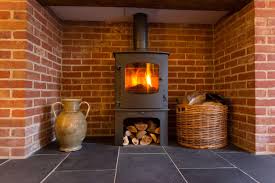
Wood Oven Chimney – A Complete Guide to Efficient Wood-Fired Cooking Ventilation
A wood-fired oven is not just a cooking appliance—it’s a centrepiece for authentic culinary experiences, from artisan pizzas to roasted meats and rustic bread. However, behind the fire and flavour lies a crucial but often overlooked component: the wood oven chimney. Whether you’re installing an indoor or outdoor pizza oven, the chimney system plays a vital role in maintaining proper airflow, heat retention, smoke control, and fire safety.
In this guide, we’ll explore everything you need to know about choosing, installing, and maintaining the ideal chimney for your wood oven, with expert tips and product insights tailored for Australian conditions.
What Is a Wood Oven Chimney?
A wood oven chimney is the exhaust system that channels smoke, gases, and excess heat away from your oven’s combustion chamber. It enhances airflow, promotes efficient burning, and prevents smoke from lingering around the cooking area. A well-designed chimney system helps maintain high internal oven temperatures while ensuring safe and clean air around the cooking zone.
A typical wood oven chimney consists of:
- A starter flue collar or flue adaptor
- Vertical or angled flue pipes
- A chimney cowl or rain cap
- Roof flashing or wall thimbles (if penetrating structures)
- Support brackets and clamps
Why a Proper Chimney Is Essential for Wood Ovens
- Enhanced Airflow and Draft
A strong upward draft pulls in fresh air and pushes out smoke and gases, resulting in more efficient combustion and even heat distribution inside the oven. - Smoke and Soot Management
A chimney prevents smoke from billowing into your face or around your outdoor space, keeping your cooking environment clean and pleasant. - Safety Compliance
Proper chimneys help prevent the buildup of harmful gases like carbon monoxide and comply with fire safety standards like AS/NZS 2918. - Heat Retention
By drawing heat up and out, the chimney helps maintain high oven temperatures needed for perfect wood-fired cooking. - Weather Protection
Chimney cowls prevent rain or debris from entering the oven chamber, especially in outdoor setups.
Key Features of a Quality Wood Oven Chimney
Stainless Steel Construction
Choose flues made from 304 or 316 stainless steel for long-lasting durability and resistance to corrosion, especially in coastal or humid environments.
Insulated Flue Pipes
Double-wall or triple-wall insulated flue pipes retain internal heat and reduce the risk of burns or fire hazards by keeping the external surface cooler.
Modular Design
A good chimney system should be modular and easy to extend, with available pipe lengths (300mm, 600mm, 900mm) and adjustable bends for custom installations.
Certified for Safety
Ensure your chimney components are compliant with Australian safety standards (AS/NZS 2918:2018) to meet council and insurance requirements.
Anti-Downdraft Cowl
Essential for windy areas, cowls protect against backflow of smoke and rain ingress, maintaining consistent draft and airflow.
Types of Chimney Setups for Wood Ovens
1. Outdoor Wood Oven Chimney
Most backyard pizza ovens or wood-fired cookers require a short vertical chimney that vents smoke above head height. A single-wall flue is often sufficient for these applications unless penetrating a structure like a pergola or patio.
Recommended features:
- Stainless steel flue pipe (150mm–200mm diameter)
- Rain cap or anti-downdraft cowl
- Wall or roof support brackets
- Weather-resistant flashing if penetrating roofs
2. Indoor Wood Oven Chimney
Indoor installations must meet stricter safety regulations and often require double-wall or insulated flue systems to safely pass through ceilings and roofs.
Recommended features:
- Double or triple-wall flue kit with insulation
- Ceiling support box and radiation shield
- Roof flashing with high-temp silicone sealant
- Certified components rated for enclosed spaces
3. Mobile or Trailer-Mounted Oven Chimney
Popular with food trucks and portable catering units, these ovens need flexible flue solutions that are lightweight and easy to remove or modify.
Recommended features:
- Locking twist-fit pipes
- Quick-release cowl
- Telescopic or collapsible pipe sections
- Compact wall brackets
Chimney Size and Height – What You Need to Know
The chimney’s diameter and height affect airflow and smoke extraction:
- Most wood ovens use 6” to 8” (150–200mm) diameter pipes.
- Chimney height should be at least 1 metre above the oven’s roof or cooking surface.
- For indoor ovens, the flue must terminate at least 600mm above the highest roof point within 3 metres (per Australian standards).
- Avoid horizontal runs, which restrict airflow and collect soot.
If in doubt, consult a certified installer or contact a supplier like StainlessFlue Australia for guidance.
Installation Tips
- Use high-temp sealant on all joins to prevent leaks.
- Secure vertical flues with brackets at intervals of 2 metres or less.
- Always include a rain cap or cowl to protect your chimney.
- Ensure adequate clearance from combustible materials.
- For indoor ovens, consult your local council and follow AS/NZS 2918 guidelines.
- Insulate any flue section passing through a roof, wall, or ceiling.
Maintenance of Your Wood Oven Chimney
- Annual Cleaning: Use a flue brush to remove soot and creosote buildup.
- Visual Inspection: Check for rust, corrosion, or loose joints.
- Cowl Inspection: Clear any debris, leaves, or bird nests that may block airflow.
- Seal Reapplication: Reseal joints if smoke or heat leaks are detected.
- Replace Damaged Sections: Rusted or cracked pipes should be replaced immediately.
Where to Buy Wood Oven Chimneys in Australia
StainlessFlue Australia is a trusted provider of wood oven chimney kits and accessories. Their offerings include:
- AS/NZS 2918 certified insulated flue kits
- 304 and 316 stainless steel flue pipes
- Custom pipe lengths and bends
- Full chimney kits for pizza ovens
- Rain cowls, flashing kits, and brackets
- Australia-wide shipping and expert advice
Whether you’re building a pizza oven from scratch or upgrading an existing unit, StainlessFlue provides durable, modular solutions tailored to your needs.
FAQs
Q: Can I install a chimney on my pizza oven myself?
A: Yes, especially for outdoor ovens, but always follow safety standards and use certified components. For indoor installations, a licensed installer is strongly recommended.
Q: How do I stop smoke from blowing back into the oven?
A: Ensure your chimney has sufficient height and install an anti-downdraft cowl. Poor draft may also be caused by oversized or poorly sealed flue joints.
Q: Do I need an insulated flue?
A: If your chimney runs through a roof, wall, or ceiling, then yes. Insulated flues are essential for safety and performance in such cases.
Conclusion
A properly installed wood oven chimney is the key to unlocking the full potential of your wood-fired cooking experience. From efficient smoke extraction to enhanced safety and temperature control, the chimney is just as important as the oven itself. With the right chimney setup—especially from a reliable provider like StainlessFlue Australia—you can enjoy clean-burning, high-heat cooking with total confidence.