https://fuelpumpexpress.com

Wood Oven Chimney – A Complete Guide to Efficient Wood-Fired Cooking Ventilation

A wood-fired oven is not just a cooking appliance—it’s a centrepiece for authentic culinary experiences, from artisan pizzas to roasted meats and rustic bread. However, behind the fire and flavour lies a crucial but often overlooked component: the wood oven chimney. Whether you’re installing an indoor or outdoor pizza oven, the chimney system plays a vital role in maintaining proper airflow, heat retention, smoke control, and fire safety.

In this guide, we’ll explore everything you need to know about choosing, installing, and maintaining the ideal chimney for your wood oven, with expert tips and product insights tailored for Australian conditions.


What Is a Wood Oven Chimney?

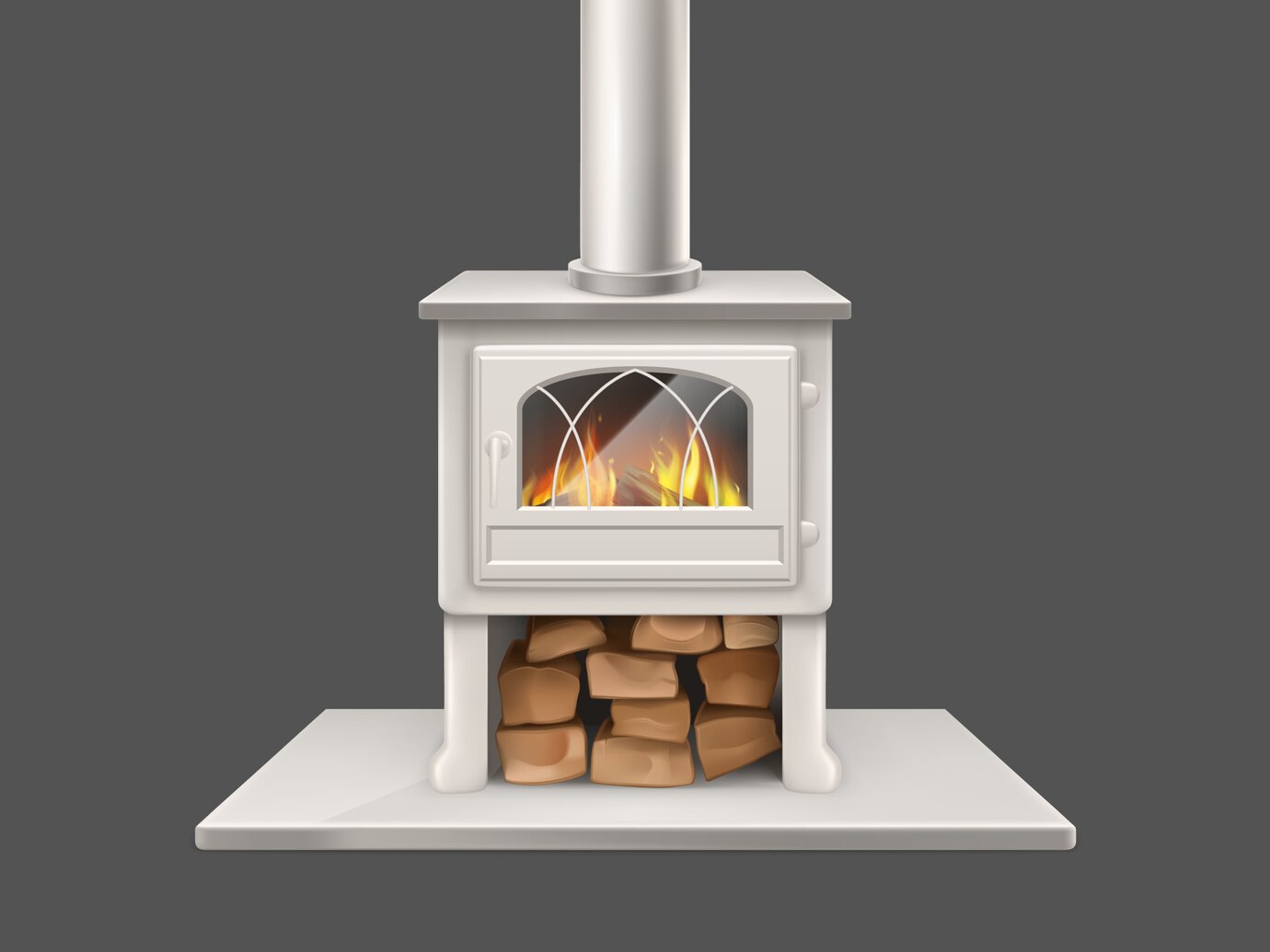
A wood oven chimney is the exhaust system that channels smoke, gases, and excess heat away from your oven’s combustion chamber. It enhances airflow, promotes efficient burning, and prevents smoke from lingering around the cooking area. A well-designed chimney system helps maintain high internal oven temperatures while ensuring safe and clean air around the cooking zone.

A typical wood oven chimney consists of:

  • A starter flue collar or flue adaptor
  • Vertical or angled flue pipes
  • A chimney cowl or rain cap
  • Roof flashing or wall thimbles (if penetrating structures)
  • Support brackets and clamps

Why a Proper Chimney Is Essential for Wood Ovens

  1. Enhanced Airflow and Draft
    A strong upward draft pulls in fresh air and pushes out smoke and gases, resulting in more efficient combustion and even heat distribution inside the oven.
  2. Smoke and Soot Management
    A chimney prevents smoke from billowing into your face or around your outdoor space, keeping your cooking environment clean and pleasant.
  3. Safety Compliance
    Proper chimneys help prevent the buildup of harmful gases like carbon monoxide and comply with fire safety standards like AS/NZS 2918.
  4. Heat Retention
    By drawing heat up and out, the chimney helps maintain high oven temperatures needed for perfect wood-fired cooking.
  5. Weather Protection
    Chimney cowls prevent rain or debris from entering the oven chamber, especially in outdoor setups.

Key Features of a Quality Wood Oven Chimney

Stainless Steel Construction

Choose flues made from 304 or 316 stainless steel for long-lasting durability and resistance to corrosion, especially in coastal or humid environments.

Insulated Flue Pipes

Double-wall or triple-wall insulated flue pipes retain internal heat and reduce the risk of burns or fire hazards by keeping the external surface cooler.

Modular Design

A good chimney system should be modular and easy to extend, with available pipe lengths (300mm, 600mm, 900mm) and adjustable bends for custom installations.

Certified for Safety

Ensure your chimney components are compliant with Australian safety standards (AS/NZS 2918:2018) to meet council and insurance requirements.

Anti-Downdraft Cowl

Essential for windy areas, cowls protect against backflow of smoke and rain ingress, maintaining consistent draft and airflow.


Types of Chimney Setups for Wood Ovens

1. Outdoor Wood Oven Chimney

Most backyard pizza ovens or wood-fired cookers require a short vertical chimney that vents smoke above head height. A single-wall flue is often sufficient for these applications unless penetrating a structure like a pergola or patio.

Recommended features:

  • Stainless steel flue pipe (150mm–200mm diameter)
  • Rain cap or anti-downdraft cowl
  • Wall or roof support brackets
  • Weather-resistant flashing if penetrating roofs

2. Indoor Wood Oven Chimney

Indoor installations must meet stricter safety regulations and often require double-wall or insulated flue systems to safely pass through ceilings and roofs.

Recommended features:

  • Double or triple-wall flue kit with insulation
  • Ceiling support box and radiation shield
  • Roof flashing with high-temp silicone sealant
  • Certified components rated for enclosed spaces

3. Mobile or Trailer-Mounted Oven Chimney

Popular with food trucks and portable catering units, these ovens need flexible flue solutions that are lightweight and easy to remove or modify.

Recommended features:

  • Locking twist-fit pipes
  • Quick-release cowl
  • Telescopic or collapsible pipe sections
  • Compact wall brackets

Chimney Size and Height – What You Need to Know

The chimney’s diameter and height affect airflow and smoke extraction:

  • Most wood ovens use 6” to 8” (150–200mm) diameter pipes.
  • Chimney height should be at least 1 metre above the oven’s roof or cooking surface.
  • For indoor ovens, the flue must terminate at least 600mm above the highest roof point within 3 metres (per Australian standards).
  • Avoid horizontal runs, which restrict airflow and collect soot.

If in doubt, consult a certified installer or contact a supplier like StainlessFlue Australia for guidance.


Installation Tips

  • Use high-temp sealant on all joins to prevent leaks.
  • Secure vertical flues with brackets at intervals of 2 metres or less.
  • Always include a rain cap or cowl to protect your chimney.
  • Ensure adequate clearance from combustible materials.
  • For indoor ovens, consult your local council and follow AS/NZS 2918 guidelines.
  • Insulate any flue section passing through a roof, wall, or ceiling.

Maintenance of Your Wood Oven Chimney

  • Annual Cleaning: Use a flue brush to remove soot and creosote buildup.
  • Visual Inspection: Check for rust, corrosion, or loose joints.
  • Cowl Inspection: Clear any debris, leaves, or bird nests that may block airflow.
  • Seal Reapplication: Reseal joints if smoke or heat leaks are detected.
  • Replace Damaged Sections: Rusted or cracked pipes should be replaced immediately.

Where to Buy Wood Oven Chimneys in Australia

StainlessFlue Australia is a trusted provider of wood oven chimney kits and accessories. Their offerings include:

  • AS/NZS 2918 certified insulated flue kits
  • 304 and 316 stainless steel flue pipes
  • Custom pipe lengths and bends
  • Full chimney kits for pizza ovens
  • Rain cowls, flashing kits, and brackets
  • Australia-wide shipping and expert advice

Whether you’re building a pizza oven from scratch or upgrading an existing unit, StainlessFlue provides durable, modular solutions tailored to your needs.


FAQs

Q: Can I install a chimney on my pizza oven myself?
A: Yes, especially for outdoor ovens, but always follow safety standards and use certified components. For indoor installations, a licensed installer is strongly recommended.

Q: How do I stop smoke from blowing back into the oven?
A: Ensure your chimney has sufficient height and install an anti-downdraft cowl. Poor draft may also be caused by oversized or poorly sealed flue joints.

Q: Do I need an insulated flue?
A: If your chimney runs through a roof, wall, or ceiling, then yes. Insulated flues are essential for safety and performance in such cases.


Conclusion

A properly installed wood oven chimney is the key to unlocking the full potential of your wood-fired cooking experience. From efficient smoke extraction to enhanced safety and temperature control, the chimney is just as important as the oven itself. With the right chimney setup—especially from a reliable provider like StainlessFlue Australia—you can enjoy clean-burning, high-heat cooking with total confidence.
Wood Oven Chimney Solutions in Australia – Stainlessflue AU

When it comes to crafting the perfect outdoor cooking experience or elevating the ambiance of a traditional kitchen, wood-fired ovens have reclaimed their place in homes, restaurants, and hospitality venues across Australia. These ovens, known for their rustic charm and unbeatable flavor, require a key component to function safely and efficiently: the wood oven chimney.

Whether you’re installing a pizza oven in your backyard, building a wood oven for a commercial kitchen, or upgrading your current setup, understanding the importance of a high-quality chimney system is crucial. And when it comes to reliability, durability, and compliance with Australian standards, Stainlessflue AU is the trusted name for wood oven chimney solutions.

Table of Contents

  1. What is a Wood Oven Chimney?
  2. Why Chimney Design Matters
  3. Key Components of a Wood Oven Chimney System
  4. Choosing the Right Chimney Materials
  5. Chimney Flue Types: Single vs. Double Wall
  6. The Importance of Proper Ventilation
  7. Common Installation Locations in Australia
  8. Chimney Height and Draft Calculations
  9. Wood Oven Chimneys in Residential Settings
  10. Commercial Wood Oven Installations
  11. Safety and Australian Standards Compliance
  12. Benefits of Stainless Steel Chimneys
  13. Weather Considerations and Chimney Caps
  14. Custom Chimney Kits from Stainlessflue AU
  15. Maintenance Tips for Long-Term Performance
  16. Upgrading Older Chimney Systems
  17. Common Mistakes to Avoid
  18. Case Studies Across Australia
  19. Why Choose Stainlessflue AU?
  20. Final Thoughts

What is a Wood Oven Chimney?

A Wood oven chimney is a ventilation system that channels smoke, heat, and combustion gases from the fire chamber of a wood-fired oven to the outside environment. It is essential for:

  • Ensuring safety
  • Improving heat efficiency
  • Providing clean airflow
  • Preventing smoke buildup inside cooking areas

Why Chimney Design Matters

The chimney’s performance directly affects the oven’s:

  • Temperature control
  • Combustion efficiency
  • Airflow and draw
  • Overall cooking results

Poorly designed or installed chimneys can cause smoke backflow, heat loss, or dangerous carbon monoxide exposure.

Key Components of a Wood Oven Chimney System

A well-designed chimney system typically includes:

  • Flue pipe
  • Chimney cowl or cap
  • Base support or flange
  • Storm collar or flashing
  • Insulated liners (if required)

Each part plays a crucial role in performance and safety.

Choosing the Right Chimney Materials

In Australia’s diverse climate—ranging from coastal humidity to inland dryness—the chimney must withstand:

  • High heat
  • Moisture
  • Corrosion
  • Wind pressure

Stainless steel is the gold standard for durability and hygiene. Stainlessflue AU uses 304 and 316-grade stainless steel, ideal for both indoor and outdoor applications.

Chimney Flue Types: Single vs. Double Wall

Single Wall Flues:

  • Best for short internal runs
  • Cost-effective
  • Require more clearance from combustibles

Double Wall Flues (Insulated):

  • Preferred for longer or exposed sections
  • Maintain higher temperatures
  • Improve draft performance
  • Reduce condensation

Stainlessflue AU provides pre-insulated chimney kits for superior safety and performance.

The Importance of Proper Ventilation

A well-vented wood oven:

  • Draws oxygen effectively
  • Burns fuel efficiently
  • Keeps smoke outside the cooking area

Without it, even the best wood-fired oven can become unusable. Chimney design impacts this airflow dramatically.

Common Installation Locations in Australia

Australians are embracing wood ovens in:

  • Backyards and alfresco areas
  • Farmhouses and off-grid cabins
  • Commercial pizzerias and bistros
  • Mobile food trucks and trailers

Stainlessflue AU offers solutions tailored to each application.

Chimney Height and Draft Calculations

Chimney height determines draft performance. General rule:

  • Chimney should extend at least 600mm above the roofline and 3 meters from any nearby structures.

Stainlessflue’s team offers custom draft calculations based on:

  • Oven size
  • Flue diameter
  • Location altitude and wind exposure

Wood Oven Chimneys in Residential Settings

In homes, wood oven chimneys add:

  • Rustic charm
  • Outdoor entertainment appeal
  • Self-sufficiency for off-grid cooking

Stainlessflue AU supplies compact, easy-to-install residential chimney kits with sleek designs and secure fittings.

Commercial Wood Oven Installations

In restaurants and cafes, chimneys must:

  • Meet fire safety codes
  • Withstand high usage
  • Be easy to clean and inspect

Stainlessflue’s custom commercial solutions are trusted by food businesses across Sydney, Melbourne, Perth, and regional towns.

Safety and Australian Standards Compliance

All Stainlessflue chimney components comply with:

  • AS/NZS 2918:2018 – Solid fuel heating appliances
  • AS/NZS 5601 – Gas installations (where applicable)
  • Fire-safe clearance and installation requirements

Benefits of Stainless Steel Chimneys

  • Corrosion-resistant in coastal or humid environments
  • Non-reactive to wood smoke acids
  • Easy to clean
  • Long service life
  • Lightweight yet strong

Weather Considerations and Chimney Caps

In Australia’s unpredictable weather:

  • Rain caps prevent water from entering flues
  • Wind-directional cowls improve draw in breezy areas
  • Bird guards stop nesting hazards

Stainlessflue provides all-weather chimney accessories for complete protection.

Custom Chimney Kits from Stainlessflue AU

Stainlessflue AU offers:

  • Modular flue kits
  • Tailored lengths and bends
  • Insulated pipes
  • Mounting brackets and flashings
  • Special components for mobile ovens

These kits are DIY-friendly and shipped Australia-wide.

Maintenance Tips for Long-Term Performance

  • Inspect flue quarterly
  • Remove creosote buildup
  • Replace seals if degraded
  • Use chimney brushes with soft bristles for stainless steel
  • Schedule professional inspections annually

Upgrading Older Chimney Systems

If your current chimney:

  • Leaks smoke
  • Shows signs of rust
  • Doesn’t meet draft needs
    It may be time to upgrade.

Stainlessflue’s modern kits are perfect retrofits for outdated or unsafe systems.

Common Mistakes to Avoid

  • Using galvanized steel (rusts quickly)
  • Installing incorrect flue diameter
  • Running flue horizontally for too long
  • Neglecting flashing or waterproof seals
  • Not extending chimney height beyond roofline

With Stainlessflue’s support, these errors can be avoided during planning and installation.

Across Australia

Adelaide Hills Residential Oven

  • Used Stainlessflue’s double-wall flue kit
  • Installed by local builder
  • Result: Perfect smoke draft with no leaks

Melbourne Restaurant

  • 2-story high commercial pizza oven flue
  • 316-grade stainless with wind cowl
  • Meets all commercial codes

Brisbane Mobile Food Trailer

  • Compact flue system with vibration-resistant fittings
  • Stainlessflue designed a custom lightweight solution

Why Choose Stainlessflue AU?

  • Australian-made quality
  • Custom lengths and bends
  • Fast dispatch nationwide
  • Friendly technical advice
  • Full compliance with safety standards
  • Trusted by homeowners, builders, and chefs

They don’t just sell flues—they engineer solutions.

Final Thoughts

If you’re investing in a wood-fired oven, don’t overlook the vital role of the chimney system. A poorly installed or inadequate flue can ruin the cooking experience and even pose health risks. With Stainlessflue AU, you’re choosing a provider that combines craftsmanship, compliance, and customer-first service.

Wood Oven Chimney in Australia – The Complete Guide by Stainlessflue AU

In recent years, the love for traditional cooking methods has seen a revival across Australia. Among these, wood-fired ovens have emerged as a favorite for homeowners, chefs, and outdoor enthusiasts who appreciate the art of slow, smoky, and flavorful cooking. But a crucial, often overlooked element in ensuring these ovens function efficiently and safely is the wood oven chimney.

At Stainlessflue AU, Australia’s trusted name in flue and chimney systems, we specialize in providing high-performance, durable, and custom-built wood oven chimneys for residential and commercial use. Whether you’re building a backyard pizza oven, a rustic bakery, or a professional pizzeria, this comprehensive guide will walk you through everything you need to know about wood oven chimneys.

What is a Wood Oven Chimney?

A Wood oven chimney is the vertical structure that vents smoke, hot gases, and combustion by-products from a wood-fired oven to the outside atmosphere. It plays a vital role in:

  • Maintaining proper airflow and draught
  • Enhancing oven efficiency
  • Preventing smoke backflow
  • Improving safety and comfort
  • Ensuring regulatory compliance

Chimneys are not just functional—they also enhance the aesthetic of your oven setup, especially when built with stainless steel flue systems like those offered by Stainlessflue AU.

Why Chimney Design Matters in Wood Ovens

Without a well-designed chimney system, your wood oven could:

  • Struggle to reach high temperatures
  • Release smoke into your cooking area
  • Create carbon monoxide hazards
  • Have poor combustion and fuel waste

A good chimney allows the oven to “breathe” naturally, drawing in oxygen for combustion and exhausting smoke efficiently.

Key Components of a Wood Oven Chimney System

Here’s a breakdown of what typically makes up a wood oven chimney setup:

ComponentDescription
Chimney FlueThe inner pipe that carries smoke from the oven
Chimney Cap or CowlPrevents rain, animals, and debris from entering
Flashing and BracketsSecures the chimney to the structure
Double or Triple-Wall InsulationKeeps the outside cool and enhances draft
Damper (Optional)Controls the flow of smoke or retains heat

At Stainlessflue AU, we supply both modular flue kits and custom chimney designs for different wood oven types.

Types of Wood Ovens and Chimney Requirements

Outdoor Pizza Ovens

  • Usually made of brick, clay, or refractory concrete
  • Require short chimneys (1–2 meters)
  • Often feature decorative cowls or flue extensions

Indoor Wood-Fired Ovens

  • Must comply with Australian Building Standards
  • Require insulated flue systems and precise venting
  • Chimneys must penetrate the ceiling and roof safely

Commercial Ovens (Restaurants, Bakeries)

  • Heavier-duty flues with higher temperature resistance
  • Chimney placement must ensure customer comfort and health
  • May need fans or draft inducers for proper flow

Stainlessflue AU has worked with residential and commercial customers nationwide, offering tailored chimney solutions that meet both form and function.

Stainless Steel Chimneys vs. Brick Chimneys

FeatureStainless Steel ChimneysBrick Chimneys
WeightLightweightHeavy
InstallationEasy & fastRequires masonry
Heat ResistanceHigh (with insulation)Excellent
MaintenanceLowModerate to high
AestheticModern/IndustrialRustic/Traditional
Lifespan20+ years30+ years if maintained

Stainlessflue AU recommends stainless steel flue kits for most wood ovens because they are modular, affordable, and compliant with AS/NZS standards.

Choosing the Right Chimney Height & Diameter

Chimney design is not one-size-fits-all. The height and diameter of your chimney must be chosen based on:

  • Oven size and firebox volume
  • Fuel type (wood only or mix)
  • Location (outdoor, enclosed, rooftop)
  • Prevailing wind and climate

General Guidelines:

  • Height: At least 1 meter above the roofline or any nearby obstruction
  • Diameter: Commonly ranges from 125mm to 200mm

A professional installer or supplier like Stainlessflue AU can assess your needs and recommend the optimal specs.

Installation Tips: Getting it Right the First Time

Installing a wood oven chimney isn’t a job to take lightly. Even a small mistake can cause performance or safety issues.

DIY vs. Professional Installation

  • DIY: Possible for outdoor setups using ready-made flue kits
  • Professional: Recommended for indoor or commercial installations

Essential Tips:

  • Ensure flue clearance from combustibles
  • Use insulated flue pipe for indoor applications
  • Always include a chimney cap to prevent rain ingress
  • Seal all joins properly to avoid smoke leaks

Stainlessflue AU offers installation guidance or full-service professional installs for complex projects.

Maintenance & Cleaning of Wood Oven Chimneys

Even the best chimney requires occasional upkeep to perform its best.

Common Maintenance Tasks:

  • Annual chimney sweep (more frequent for heavy users)
  • Inspect for soot or creosote buildup
  • Check flashing, cowl, and brackets for rust or damage
  • Replace worn gaskets or fireproof sealant

Signs Your Chimney Needs Maintenance:

  • Smoky cooking area
  • Poor oven heat retention
  • Visible soot buildup
  • Rainwater or leaks inside the oven dome

Stainlessflue AU recommends yearly inspections and offers stainless steel chimney brushes and accessories for easy DIY maintenance.

Chimney Regulations in Australia

In Australia, wood oven chimneys must comply with several building and safety standards:

  • AS/NZS 2918: For solid fuel burning appliances
  • AS 5601: For gas installations (if dual-fuel)
  • Bushfire Compliance: Spark arrestors required in rural areas

Local councils may have additional zoning or emission regulations. It’s crucial to consult with professionals like Stainlessflue AU before installation.

Custom Chimney Kits from Stainlessflue AU

At Stainlessflue AU, we manufacture and supply:

  • Single & double-wall stainless steel flue pipes
  • Chimney caps, cowls, and flashings
  • Bends, wall brackets, and roof supports
  • Pre-fabricated wood oven chimney kits

All products are made from high-grade 304 or 316 stainless steel, designed for extreme heat resistance, corrosion protection, and Australian climate conditions.

Key Benefits:

  • Modular and easy to install
  • Cut-to-length or custom diameters
  • Compliant with Australian safety standards
  • Available Australia-wide with fast shipping

Real-Life Applications: Our Projects

Backyard Pizza Oven in Melbourne

A custom 150mm flue kit installed on a refractory oven with stylish copper cowl—installed in just 2 hours.

Rustic Bakery in Byron Bay

Installed a twin-wall flue system with spark arrestor and damper, ensuring safety in a timber-rich area.

Rooftop Restaurant in Sydney

Designed a custom, multi-bend chimney system for a commercial pizza oven on a rooftop kitchen—enhanced both draft and aesthetics.

Why Choose Stainlessflue AU?

  • Australian-owned and operated
  • 20+ years of industry experience
  • Custom and off-the-shelf options
  • Friendly technical advice
  • Nationwide delivery
  • Competitive pricing

Whether you’re a homeowner, builder, or commercial chef, we provide turnkey chimney solutions backed by craftsmanship and compliance.

Final Thoughts:

A wood-fired oven is more than just a cooking appliance—it’s a statement of tradition, warmth, and culinary excellence. But without the right chimney system, even the best oven will fail to perform.

Choosing the Right Wood Oven Chimney – A Complete Guide by Stainlessflue AU

Wood ovens have become increasingly popular across Australia—not only for traditional-style pizza baking but also as a centerpiece in modern outdoor kitchens and rural homes. However, what often gets overlooked in this setup is one of the most critical components for safety and performance: the wood oven chimney. At Stainlessflue AU, we specialise in top-tier flue and chimney solutions, ensuring your wood oven operates safely, efficiently, and in compliance with Australian standards.

In this comprehensive guide, we’ll walk you through everything you need to know about wood oven chimneys—from types, materials, and installation tips, to maintenance and local regulations.

Why Is the Chimney So Important in a Wood Oven?

Many people think the oven is the heart of a wood-fired setup, but in reality, the chimney system is its lungs. Without a properly installed and functioning chimney, your oven won’t draw air correctly, causing smoke, poor combustion, and potential fire hazards.

Key Roles of a Chimney in a Wood Oven:

  • Smoke Ventilation: Removes harmful smoke and gases like carbon monoxide.
  • Airflow Management: Creates a draft to help maintain a strong, consistent fire.
  • Temperature Control: Helps regulate internal heat for even cooking.
  • Safety Compliance: Prevents backdrafts, flare-ups, and dangerous indoor conditions.

Types of Chimneys for Wood Ovens

Choosing the correct chimney type depends on where your oven is located, your design goals, and building regulations in your area.

Vertical Chimneys (Standard)

The most common and effective option. A vertical chimney:

  • Supports optimal draft
  • Meets most council safety codes
  • Works well for both indoor and outdoor ovens

Angled Chimneys (Offset)

Used when the oven’s placement doesn’t allow for a straight vertical rise. They:

  • Are less efficient than vertical models
  • Require elbows or bends, increasing complexity
  • Must be installed carefully to maintain safe airflow

Wall Exit Chimneys

These exit through a wall and then go up externally:

  • Ideal for indoor wood ovens placed near an exterior wall
  • Require proper flashing and insulation where they penetrate the wall
  • Must follow strict clearance requirements

Best Materials for Wood Oven Chimneys

At Stainlessflue AU, we recommend stainless steel for all Wood oven chimney installations due to its durability, corrosion resistance, and heat tolerance.

Stainless Steel Chimney Flue (304 or 316 grade)

  • Ideal for both indoor and outdoor use
  • Resistant to rust and high temperatures
  • Easy to clean and maintain
  • Long-lasting and low maintenance

Galvanised Steel or Aluminium

  • Poor heat resistance
  • Susceptible to corrosion
  • Not suitable for wood ovens

Insulated Double-Wall Flue

  • Prevents heat loss and condensation
  • Enhances draft in colder environments
  • Meets Australian safety standards (AS/NZS 2918)

Essential Components of a Wood Oven Chimney System

  1. Chimney Flue Pipe – The main pipe through which smoke escapes.
  2. Chimney Cap / Cowl – Protects the chimney from rain, animals, and downdrafts.
  3. Flashings – Seals gaps around where the chimney passes through roofs or walls.
  4. Insulation – Required for double-wall flues to prevent condensation and overheating.
  5. Wall Brackets – Provide stability and support, especially for taller external chimneys.

Stainlessflue AU offers a complete range of kits and individual components, customisable for any installation.

How to Size a Chimney for Your Wood Oven

Correct sizing ensures optimal performance and safety. A poorly sized flue can result in smoke spillage, creosote build-up, or insufficient draft.

General Rules:

  • Flue Diameter: Should be the same size as the flue outlet on your oven (commonly 6″ or 150mm).
  • Chimney Height: Minimum of 4 metres above the base of the oven or 600mm above roof level (whichever is higher).
  • Bends: Limit to two 45° bends in a single chimney system to maintain draft.

Tip: When in doubt, go slightly larger rather than smaller, and consult with the team at Stainlessflue AU for custom advice.

Indoor vs. Outdoor Wood Oven Chimneys

Indoor Wood Ovens:

  • Must comply with building codes (AS/NZS 2918)
  • Require insulated, double-wall stainless flue
  • Need proper clearance from combustibles
  • Often require permits or inspections

Outdoor Wood Ovens:

  • Generally easier to install
  • Less insulation needed in mild climates
  • Still require rain protection and wind-resistant cowls
  • Easier access for maintenance and cleaning

Note: Even outdoor ovens must be installed safely to avoid fire risk and meet insurance requirements.

Common Installation Mistakes to Avoid

  1. Using Single Wall Pipes Outdoors – Prone to rust and heat loss.
  2. Ignoring Clearance to Combustibles – Risk of fire or structural damage.
  3. Poor Sealing at Roof Penetrations – Leads to leaks and water damage.
  4. Incorrect Chimney Height – Results in weak draft and smoke issues.
  5. No Chimney Cap – Allows rain, birds, and debris to enter.

Stainlessflue AU’s pre-configured kits make it easy to avoid these pitfalls, especially for DIY users and professional installers alike.

Maintenance Tips for Your Wood Oven Chimney

Even stainless steel chimneys need some TLC. Here’s how to keep yours working smoothly:

Regular Cleaning:

  • Clean soot and creosote buildup every 3–6 months (more often if used frequently).
  • Use a stainless steel flue brush compatible with your chimney diameter.

Inspections:

  • Check for corrosion, bird nests, and blockages before each season.
  • Inspect rain caps and joints after storms or high winds.

External Cleaning:

  • Wipe down external flue pipes with a damp cloth and mild detergent.
  • Avoid abrasive cleaners that can damage the stainless finish.

Bonus: Stainlessflue AU offers chimney brushes and maintenance kits for hassle-free upkeep.

Local Building Codes and Compliance in Australia

Your wood oven chimney must comply with Australian standards, including:

  • AS/NZS 2918:2001 – For solid fuel appliance installations
  • AS 5601 – For gas flues (if applicable in hybrid ovens)
  • Clearances – 25mm for stainless steel double-wall, 100mm+ for single-wall

Council Approvals:

  • Indoor installations may require council approval and certified inspection
  • Outdoor installations on decks or close to property lines may also be subject to local regulations

Tip: Stainlessflue AU can provide documentation and spec sheets for your chimney system to streamline the approval process.

Custom Solutions by Stainlessflue AU

Not every setup fits a one-size-fits-all chimney. At Stainlessflue AU, we provide:

  • Custom-length chimney kits
  • Bespoke bends and offsets
  • Double-wall insulated kits
  • Rain cowls and wind-directional caps
  • Color-matching flue systems for aesthetic finishes

Whether you’re installing a pizza oven on your rural property or adding a statement piece to your alfresco area, we’ve got the right solution.

(FAQs)

Do I need a flue for an outdoor pizza oven?

Yes. Without a flue, smoke will pool around the oven, causing discomfort, poor airflow, and potentially unsafe conditions.

What’s better: single-wall or double-wall flue?

For outdoor use in mild climates, single-wall can be sufficient. For indoor or cold regions, double-wall is safer and more efficient.

Can I install the chimney myself?

Yes, if you’re experienced with DIY and follow regulations. However, professional installation is recommended for indoor setups.

How long does a stainless steel chimney last?

With proper care, a high-quality stainless steel chimney can last 20+ years, especially if sourced from a trusted supplier like Stainlessflue AU.

Final Thoughts

A wood oven is an amazing investment for your home, lifestyle, and culinary enjoyment—but it’s only as good as the chimney behind it. A high-quality, well-installed wood oven chimney ensures proper ventilation, enhances performance, and keeps your space safe and compliant.