
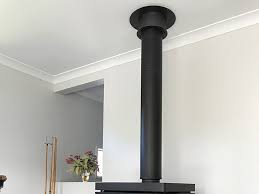
Wood Burner Flue Pipe – A Complete Guide to Safe and Compliant Installation in Australia
Installing a wood burner brings unmatched comfort, warmth, and ambience to Australian homes, cabins, and outdoor spaces. However, a wood burner flue pipe is not just an accessory—it’s a critical safety component that ensures proper smoke ventilation, fire safety, and heating efficiency. Whether you’re fitting a freestanding log heater, a fireplace insert, or a slow combustion stove, the right flue pipe setup is essential for compliance with AS/NZS 2918 and for long-term peace of mind.
🔥 What Is a Wood Burner Flue Pipe?
A wood burner flue pipe is a heat-resistant pipe system that channels smoke and gases from your wood-burning heater to the outside atmosphere. It works by creating a draft that pulls combustion gases out of the firebox and releases them safely through a chimney or flue system.
Flue pipes can be installed:
- Vertically through ceilings and roofs
- Horizontally through walls (with proper clearances)
- In single-wall, double-wall, or triple-wall configurations, depending on location and safety requirements
🧱 Types of Wood Burner Flue Pipes
🔹 Single-Wall Flue Pipe
- Made from galvanized or black steel
- Ideal for internal use only
- Requires at least 450mm clearance from combustible surfaces
- Budget-friendly but radiates more heat into the room
🔹 Double-Wall Flue Pipe (Insulated)
- Two steel layers with an air gap or insulation in between
- Reduces clearance to 100mm or less
- Suitable for through-ceiling and roof penetrations
🔹 Triple-Wall Flue Pipe
- Extra insulation for cold climates or bushfire zones
- Minimizes heat transfer to nearby surfaces
- Often required for through-wall installations
📏 Choosing the Right Flue Pipe Diameter
Choosing the correct diameter is essential for safe operation and optimal draft.
| Wood Burner Size | Recommended Flue Diameter |
|---|---|
| Small (4–6kW output) | 125mm – 150mm |
| Medium (6–10kW output) | 150mm – 175mm |
| Large (10kW+ output) | 175mm – 200mm |
Always match the flue diameter to the stove’s flue collar for best performance.
🔩 Key Components in a Flue Pipe Installation
| Component | Function |
|---|---|
| Stove Connector / Adapter | Connects firebox to the flue pipe system |
| Straight Pipe Sections | Main vertical or angled runs |
| Elbows (15°, 30°, 45°, 90°) | Allow directional changes for wall or offset installations |
| Wall / Ceiling Thimble | Provides insulated barrier through combustibles |
| Roof Flashing Kit | Seals roof penetration against weather |
| Rain Cap / Cowl | Prevents rain and animals entering the flue |
| Storm Collar / Sealant | Protects roof flashing from leaks |
| Support Brackets | Stabilize tall or extended flue pipes |
🌡️ Heat Clearance and Compliance (AS/NZS 2918)
In Australia, wood burner installations must comply with AS/NZS 2918:2018, which governs:
- Minimum flue height: Typically 4.6m from floor to cap
- Clearances to combustibles: 25–450mm depending on flue type
- Use of certified flue kits only
- Proper supports, flashings, and ceiling rings
Failure to comply may lead to:
- Fire hazards
- Smoke backflow
- Invalidated insurance coverage
🏡 Common Applications of Wood Burner Flue Pipes in Australia
| Application | Recommended Pipe Type | Notes |
|---|---|---|
| Indoor living room heater | Single to double wall | Best mix of heat output and safety |
| Cabin or off-grid shelter | Twin wall or triple wall | Safer in confined spaces |
| Outdoor patio wood burner | Stainless steel single wall | Weather-resistant and stylish |
| Tiny house or van conversion | Insulated flue system | Requires compact, low-clearance pipes |
🛒 Where to Buy Wood Burner Flue Pipes in Australia
Trusted retailers include:
- Pivot Stove & Heating
- Scandia Heating
- Euro Fireplaces Australia
- The Fire Factory
- Bunnings Warehouse
- Barbeques Galore
Look for:
- AS/NZS certified pipe kits
- Stainless steel or high-temp enamel coatings
- Complete kits with adapters, caps, and supports
🧽 Flue Pipe Maintenance Tips
- Clean flue pipes every 3–6 months with a chimney brush
- Use dry, seasoned hardwood to reduce creosote buildup
- Inspect for rust, corrosion, or loose joints
- Check flashing and storm collar integrity after heavy weather
- Replace any damaged or discoloured pipe sections
❓ Frequently Asked Questions
Q: Can I install my wood burner flue pipe myself?
A: For compliance and safety, installations should be performed by a licensed professional or under their supervision.
Q: What’s the difference between flue pipe and chimney pipe?
A: Flue pipe connects the stove to the chimney system. Chimney pipe (especially double/triple wall) carries smoke outside the building safely.
Q: How tall should my flue pipe be?
A: Minimum 4.6m total height or 600mm above the highest point of the roof, whichever is greater.
Conclusion
The flue pipe is the unsung hero of every wood-burning stove. It ensures clean indoor air, efficient smoke removal, and most importantly—your family’s safety. Choosing the correct pipe type, size, and installation method guarantees your wood burner performs as intended, all while meeting Australian safety and building codes.
Don’t compromise with cheap or uncertified components. Whether you’re heating your home in winter or enjoying weekend fires in the backyard, invest in a quality, compliant wood burner flue pipe system.