
https://fuelpumpexpress.com

Wood Burner Flue Pipe – A Complete Guide to Safe and Compliant Installation in Australia

Installing a wood burner brings unmatched comfort, warmth, and ambience to Australian homes, cabins, and outdoor spaces. However, a wood burner flue pipe is not just an accessory—it’s a critical safety component that ensures proper smoke ventilation, fire safety, and heating efficiency. Whether you’re fitting a freestanding log heater, a fireplace insert, or a slow combustion stove, the right flue pipe setup is essential for compliance with AS/NZS 2918 and for long-term peace of mind.


🔥 What Is a Wood Burner Flue Pipe?

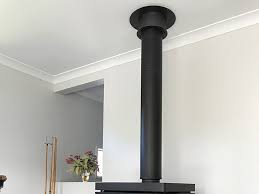
A wood burner flue pipe is a heat-resistant pipe system that channels smoke and gases from your wood-burning heater to the outside atmosphere. It works by creating a draft that pulls combustion gases out of the firebox and releases them safely through a chimney or flue system.

Flue pipes can be installed:

  • Vertically through ceilings and roofs
  • Horizontally through walls (with proper clearances)
  • In single-wall, double-wall, or triple-wall configurations, depending on location and safety requirements

🧱 Types of Wood Burner Flue Pipes

🔹 Single-Wall Flue Pipe

  • Made from galvanized or black steel
  • Ideal for internal use only
  • Requires at least 450mm clearance from combustible surfaces
  • Budget-friendly but radiates more heat into the room

🔹 Double-Wall Flue Pipe (Insulated)

  • Two steel layers with an air gap or insulation in between
  • Reduces clearance to 100mm or less
  • Suitable for through-ceiling and roof penetrations

🔹 Triple-Wall Flue Pipe

  • Extra insulation for cold climates or bushfire zones
  • Minimizes heat transfer to nearby surfaces
  • Often required for through-wall installations

📏 Choosing the Right Flue Pipe Diameter

Choosing the correct diameter is essential for safe operation and optimal draft.

Wood Burner SizeRecommended Flue Diameter
Small (4–6kW output)125mm – 150mm
Medium (6–10kW output)150mm – 175mm
Large (10kW+ output)175mm – 200mm

Always match the flue diameter to the stove’s flue collar for best performance.


🔩 Key Components in a Flue Pipe Installation

ComponentFunction
Stove Connector / AdapterConnects firebox to the flue pipe system
Straight Pipe SectionsMain vertical or angled runs
Elbows (15°, 30°, 45°, 90°)Allow directional changes for wall or offset installations
Wall / Ceiling ThimbleProvides insulated barrier through combustibles
Roof Flashing KitSeals roof penetration against weather
Rain Cap / CowlPrevents rain and animals entering the flue
Storm Collar / SealantProtects roof flashing from leaks
Support BracketsStabilize tall or extended flue pipes

🌡️ Heat Clearance and Compliance (AS/NZS 2918)

In Australia, wood burner installations must comply with AS/NZS 2918:2018, which governs:

  • Minimum flue height: Typically 4.6m from floor to cap
  • Clearances to combustibles: 25–450mm depending on flue type
  • Use of certified flue kits only
  • Proper supports, flashings, and ceiling rings

Failure to comply may lead to:

  • Fire hazards
  • Smoke backflow
  • Invalidated insurance coverage

🏡 Common Applications of Wood Burner Flue Pipes in Australia

ApplicationRecommended Pipe TypeNotes
Indoor living room heaterSingle to double wallBest mix of heat output and safety
Cabin or off-grid shelterTwin wall or triple wallSafer in confined spaces
Outdoor patio wood burnerStainless steel single wallWeather-resistant and stylish
Tiny house or van conversionInsulated flue systemRequires compact, low-clearance pipes

🛒 Where to Buy Wood Burner Flue Pipes in Australia

Trusted retailers include:

  • Pivot Stove & Heating
  • Scandia Heating
  • Euro Fireplaces Australia
  • The Fire Factory
  • Bunnings Warehouse
  • Barbeques Galore

Look for:

  • AS/NZS certified pipe kits
  • Stainless steel or high-temp enamel coatings
  • Complete kits with adapters, caps, and supports

🧽 Flue Pipe Maintenance Tips

  • Clean flue pipes every 3–6 months with a chimney brush
  • Use dry, seasoned hardwood to reduce creosote buildup
  • Inspect for rust, corrosion, or loose joints
  • Check flashing and storm collar integrity after heavy weather
  • Replace any damaged or discoloured pipe sections

❓ Frequently Asked Questions

Q: Can I install my wood burner flue pipe myself?
A: For compliance and safety, installations should be performed by a licensed professional or under their supervision.

Q: What’s the difference between flue pipe and chimney pipe?
A: Flue pipe connects the stove to the chimney system. Chimney pipe (especially double/triple wall) carries smoke outside the building safely.

Q: How tall should my flue pipe be?
A: Minimum 4.6m total height or 600mm above the highest point of the roof, whichever is greater.


Conclusion

The flue pipe is the unsung hero of every wood-burning stove. It ensures clean indoor air, efficient smoke removal, and most importantly—your family’s safety. Choosing the correct pipe type, size, and installation method guarantees your wood burner performs as intended, all while meeting Australian safety and building codes.

Don’t compromise with cheap or uncertified components. Whether you’re heating your home in winter or enjoying weekend fires in the backyard, invest in a quality, compliant wood burner flue pipe system.
The Ultimate Guide to Wood Burner Flue Pipes in Australia – StainlessFlue AU

When installing a wood burner in your home, the fireplace unit itself often grabs most of the attention. However, there is a hidden but vital component that directly affects your heater’s safety, performance, and longevity — the wood burner flue pipe.

In Australia, with its varying climates and strict building standards, choosing the right flue system is just as important as selecting the wood heater. That’s why StainlessFlue AU, Australia’s trusted supplier of premium stainless steel flue kits, is the go-to partner for home heating solutions.

In this comprehensive guide, we’ll explore everything you need to know about wood burner flue pipes — including types, materials, standards, safety, installation tips, and why choosing StainlessFlue AU is your best move.

What Is a Wood Burner Flue Pipe?

A Wood burner flue pipe is a high-temperature exhaust duct that vents smoke, gases, and by-products of combustion from a wood-burning stove or fireplace to the outside environment. It also plays a crucial role in:

  • Creating proper airflow and draft
  • Preventing backdrafts and smoke re-entry
  • Protecting the structure of the home
  • Ensuring compliance with Australian safety codes

Unlike chimney bricks of the past, modern flue systems are built with double or triple-skin stainless steel pipes, combining durability with thermal insulation.

Why You Need the Right Flue Pipe for Your Wood Burner

A well-designed flue system does more than remove smoke — it:

Enhances Combustion Efficiency
Good draft = better fire performance and less smoke buildup.

Increases Safety
Prevents carbon monoxide poisoning and reduces fire risks.

Extends the Life of the Wood Burner
Less creosote buildup and corrosion inside the burner.

Complies with Australian Building Standards
Meeting AS/NZS 2918 is a legal requirement in most regions.

Improves Indoor Air Quality
Prevents backflow of smoke and fumes into living spaces.

Types of Wood Burner Flue Pipes

Depending on your heater type and building structure, your flue system may use different configurations. The most common types in Australia include:

Single-Skin Flue (Active Pipe)

Used as the inner pipe in a triple-skin flue system. This is where the smoke and gases actually travel through. It’s always made from high-grade stainless steel to handle direct heat.

Double-Skin Flue

Consists of an inner and outer pipe with an insulating air gap. Often used in the lower section or where extra clearance from combustibles is not required.

Triple-Skin Flue (Insulated)

Includes a stainless steel active flue inside two outer casings, with air cooling or ceramic insulation between layers. Mandatory in most ceiling and roof penetrations to reduce radiant heat and fire risk.

What Is a Flue Kit?

A wood burner flue kit is a packaged system that includes all the components needed for proper installation. StainlessFlue AU offers tailored flue kits for inbuilt and freestanding wood burners, typically including:

  • Triple-skin flue pipes (multiple lengths)
  • Ceiling ring/firestop spacer
  • Flashing (pitched or flat roof)
  • Storm collar
  • Cowl or rain hat
  • Bracing and supports
  • Stainless screws and rivets

Every kit from StainlessFlue AU is code-compliant and manufactured from 304 or 316 stainless steel, ensuring durability and safety.

Australian Standards for Wood Burner Flue Pipes

Installing a wood heater flue pipe in Australia requires compliance with AS/NZS 2918:2018. These standards ensure:

  • Minimum clearances from combustibles (usually 25mm to 50mm)
  • Secure mounting and bracing above roofline
  • Use of heat shields or insulated flue pipes through penetrations
  • Correct cowl height and positioning
  • Approved materials and installation techniques

Non-compliant flue installations may void your insurance and pose serious risks to health and safety.

Materials Matter: Why Stainless Steel?

Stainless steel is the industry standard for flue pipes in Australia. Here’s why:

FeatureBenefit
Heat ResistanceHandles extreme temperatures (600°C+)
Corrosion ResistanceIdeal for coastal or humid environments
LongevityLasts decades with proper care
Maintenance FriendlyEasier to clean and inspect
Professional FinishClean, modern look for indoor visibility

StainlessFlue AU exclusively uses 304 and 316 grade stainless steel, offering superior performance across all Australian climates.

Wood Burner Flue Installation Tips

Proper installation is just as critical as the flue material itself. Here are key best practices:

Vertical Rise First

Start with a vertical flue above the wood burner to encourage better draft.

Minimise Bends

Avoid more than two 45-degree bends. Excessive angles reduce efficiency.

Roof Penetration

Use triple-skin insulated pipe for all ceiling and roof penetrations.

Support & Bracing

Ensure the flue is properly braced above the roof to withstand wind load.

Use a Certified Installer

Always use a licensed professional who understands Australian codes and your local council regulations.

StainlessFlue AU offers detailed install guides with every flue kit.

Common Applications in Australian Homes

Freestanding Wood Heaters

Most common setup using vertical flue pipe system through ceiling and roof. Perfect for open-plan living rooms or winter cabins.

Inbuilt Wood Fireplaces

Flues routed through false walls or chimneys with custom bends and wall penetrations.

Outdoor Wood Stoves

Pizza ovens and patio burners often need shorter flue runs with weatherproof cowls.

Tiny Homes & Off-Grid Cabins

Specialised flue kits with small-diameter pipes and minimal clearance options.

Flue Maintenance & Safety Tips

Keep your wood burner flue safe and efficient with regular maintenance:

  • Inspect annually for cracks, rust, and clearance issues.
  • Clean the flue with a chimney brush or vacuum at least once per year (more if used daily).
  • Check the cowl after storms — debris or birds can block airflow.
  • Avoid burning green wood which causes creosote buildup.

StainlessFlue AU provides maintenance tips and after-sales support for all flue pipe systems.

Why Choose StainlessFlue AU?

As a leading Australian supplier, StainlessFlue AU stands out in the flue market with:

Quality Materials

100% stainless steel (not mixed metal), corrosion-resistant, built to last.

Australian Standards Compliance

All products meet or exceed AS/NZS 2918 for wood heaters.

Custom Solutions Available

Odd roof pitch? Tight space? StainlessFlue AU fabricates custom elbows, lengths, and penetrations.

Australia-Wide Shipping

Fast delivery to Sydney, Brisbane, Perth, Melbourne, Adelaide, and rural areas.

Technical Support

Experienced staff available to help you plan, order, and install your flue system.

Customer Testimonials

“I installed a freestanding wood heater using a StainlessFlue triple-skin kit. Easy to follow, great quality, and best of all—compliant! Highly recommend.”
— Mark H., Blue Mountains NSW

“My custom-built cabin needed a unique flue layout. StainlessFlue AU fabricated what I needed and shipped it fast to regional Victoria. Fantastic service!”
— Emma L., Bendigo VIC

Conclusion:

Choosing the right wood burner flue pipe isn’t just about meeting legal requirements — it’s about creating a safe, efficient, and long-lasting heating solution for your home.

Wood Burner Flue Pipe – Essential Guide to Choosing the Best for Your Home | Stainlessflue AU

A wood burner is an excellent way to heat your home efficiently while enjoying the cozy, natural warmth that comes with burning wood. However, to ensure safety and maximize the heating efficiency of your wood burner, the flue pipe plays a crucial role. The flue pipe is responsible for channeling harmful gases and smoke away from your home, allowing your wood burner to function properly.

If you are looking to install or replace your wood burner flue pipe, understanding its significance and the factors to consider when choosing the right one is essential. As experts in providing high-quality stainless steel flue pipes, Stainlessflue AU offers durable, reliable, and efficient flue pipe solutions for homeowners across Australia.

This comprehensive guide will help you understand the importance of choosing the right wood burner flue pipe, its types, installation, maintenance, and why Stainlessflue AU should be your go-to partner for all your flue pipe needs.

What Is a Wood Burner Flue Pipe?

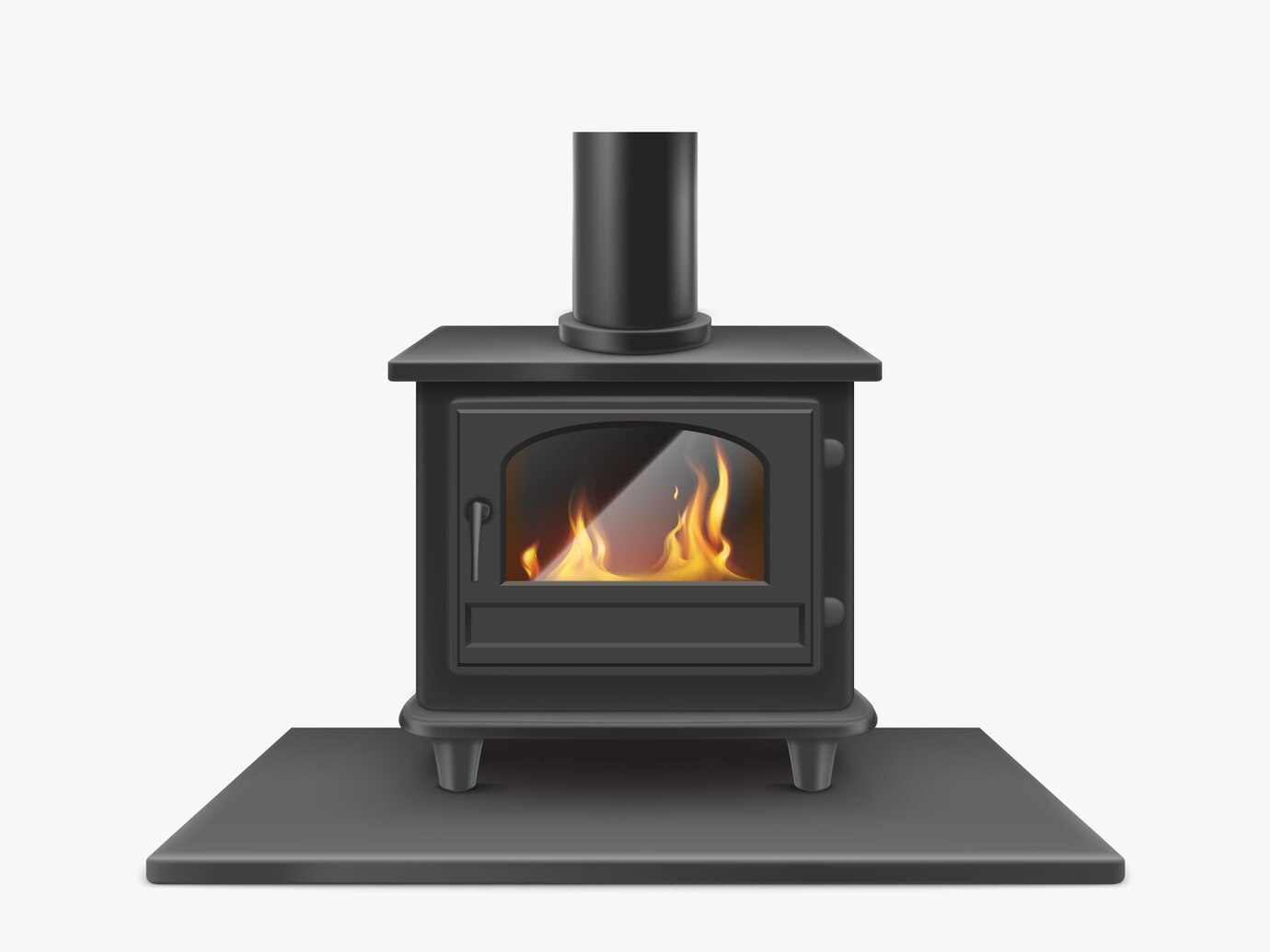
A Wood burner flue pipe is a vertical pipe connected to the stove or wood-burning appliance, designed to safely carry smoke and combustion gases outside. The flue pipe is part of the ventilation system that ensures harmful gases, including carbon monoxide, are safely vented from your home.

Without a well-installed and functioning flue pipe, the safety and efficiency of your wood burner would be compromised. The flue pipe is crucial for:

  • Exhausting Smoke: Removing smoke and harmful gases from your living space.
  • Ensuring Proper Draft: Maintaining the airflow necessary for the wood burner to function optimally.
  • Preventing Downdrafts: Avoiding cold air or smoke coming back into your home.

Proper installation of a wood burner flue pipe is critical for the health, safety, and longevity of your stove and your home.

Why Choose Stainless Steel for Your Flue Pipe?

When choosing a flue pipe for your wood burner, stainless steel is a popular and highly recommended material. Here’s why:

Durability and Longevity

Stainless steel is highly resistant to corrosion, which is especially important given that the flue pipe will be exposed to heat and moisture. Stainlessflue AU provides high-quality stainless steel flue pipes that can withstand the intense temperatures inside your wood burner, while also standing up to environmental factors like rain and snow.

Easy Maintenance

Stainless steel flue pipes are easy to clean and maintain, making them a great choice for homeowners who want to minimize maintenance costs. The smooth surface of stainless steel prevents the buildup of creosote, a flammable substance that can cause dangerous chimney fires.

Aesthetically Pleasing

Stainless steel flue pipes not only perform exceptionally well but also have a sleek, modern appearance that suits a wide range of home aesthetics. Their shiny, polished finish can complement the look of your wood burner, adding a stylish touch to your living space.

Heat Resistance

Stainless steel flue pipes are designed to withstand high temperatures, which is essential when venting the hot gases produced by burning wood. This heat resistance ensures that the flue pipe maintains its integrity over time without degrading or becoming unsafe.

Types of Wood Burner Flue Pipes

When selecting a flue pipe for your wood burner, it’s important to consider the different types available. Understanding these options can help you make an informed decision about the best solution for your needs.

Single-Wall Flue Pipe

A single-wall flue pipe is the most basic type and is commonly used for wood burners that have a more direct venting system. This type of pipe is typically installed on stoves that are placed near an exterior wall, where the flue pipe can easily pass through the wall and into the atmosphere. It’s an affordable and efficient option, but it requires careful attention to insulation to avoid heat loss.

  • Pros:
    • Affordable
    • Easy to install
    • Great for short installations
  • Cons:
    • Less efficient at retaining heat
    • More prone to heat loss
    • Requires additional insulation

Double-Wall Flue Pipe

A double-wall flue pipe features two layers of stainless steel, with an insulating material in between. This extra layer of insulation helps to retain the heat and improve the flue’s overall efficiency, especially in longer installations. Double-wall flue pipes are ideal for homes where the flue pipe will need to pass through multiple floors or travel a long distance before reaching the exterior.

  • Pros:
    • More efficient
    • Retains heat, reducing the risk of creosote buildup
    • Great for long installations
  • Cons:
    • Higher cost compared to single-wall pipes
    • Slightly more complex installation

Flexible Flue Pipe

A flexible flue pipe is made from a flexible, corrugated material, often stainless steel, that can be easily bent to fit unusual shapes or confined spaces. This type of flue pipe is ideal for installations where access to the chimney is difficult, and it can also be used for liner installations inside an existing chimney.

  • Pros:
    • Flexible and adaptable
    • Ideal for confined spaces or retrofitting
    • Easier to install in tight spaces
  • Cons:
    • More prone to damage if not handled correctly
    • Slightly less durable than rigid flue pipes

Key Considerations When Choosing a Wood Burner Flue Pipe

Selecting the right flue pipe for your wood burner involves more than just choosing a material. Several important factors need to be taken into account, including:

Size of the Flue Pipe

The diameter of the flue pipe should match the size of your wood burner’s flue outlet. Using a flue pipe that is too small can cause poor draft and inefficient combustion, while a pipe that is too large can lead to overheating and reduced efficiency.

Height and Installation Location

Consider the height and location of the installation. A longer flue pipe will require a larger diameter to accommodate the increased volume of gases. The pipe must also be installed with proper clearance from combustible materials and must be tall enough to allow the smoke to disperse effectively.

Climate and Weather Conditions

If you live in an area that experiences extreme weather conditions, such as heavy rain or snow, consider selecting a double-wall flue pipe to provide extra insulation and protect your system from moisture. This will prevent rusting and improve the overall efficiency of the flue.

Compliance with Regulations

In Australia, specific building codes and regulations govern the installation of wood burner flue pipes. Ensure that the flue pipe you select complies with all relevant standards and regulations to ensure safety and efficiency.

The Installation Process

Proper installation of a wood burner flue pipe is essential for its performance and safety. Here are some basic steps involved in the installation process:

  1. Position the Stove: The wood burner must be placed at an optimal distance from walls and combustible materials.
  2. Install the Flue Pipe: Depending on the type of pipe, install the flue pipe either directly through the wall or up through the ceiling and roof.
  3. Seal the Joints: Ensure that all joints and connections are properly sealed to prevent leaks.
  4. Check for Compliance: Ensure that the flue pipe installation adheres to all local building codes and regulations.
  5. Test the System: Once installed, test the wood burner and flue pipe system to ensure proper airflow and safe venting of gases.

Why Stainlessflue AU is Your Trusted Partner for Wood Burner Flue Pipes

At Stainlessflue AU, we specialize in high-quality stainless steel flue pipes designed to provide optimum performance and durability. Our flue pipes are manufactured to meet the highest industry standards and come with features that ensure efficiency, safety, and long-lasting performance.

Our Commitment to Quality

We pride ourselves on delivering flue pipe systems that are built to last. With Stainlessflue AU, you can trust that every flue pipe is crafted using the best materials and undergoes rigorous testing to ensure it meets Australian safety and performance standards.

Tailored Solutions

Whether you are installing a new wood burner or replacing an old flue pipe, we offer tailored solutions that meet your specific needs. Our experts provide guidance on the best type of flue pipe based on your stove size, installation location, and environmental conditions.

Excellent Customer Support

We provide full customer support throughout the entire process, from selecting the right products to ensuring proper installation. Our team is available to answer any questions and assist you in maintaining your wood burner system.

Conclusion

A wood burner flue pipe is an essential part of any wood-burning system. Choosing the right flue pipe is crucial for maintaining the efficiency and safety of your stove. Stainless steel is the best choice for durability, ease of maintenance, and overall performance. By choosing Stainlessflue AU, you are investing in a product that is built to last and designed for maximum efficiency.