
Why Air Suspension Problems Are So Common in Range Rovers?
Range Rover vehicles are synonymous with luxury, comfort, and cutting-edge technology. One of their most celebrated features is the sophisticated air suspension system, designed to deliver an unparalleled smooth ride across any terrain. However, this same system has become one of the most notorious sources of frustration for Range Rover owners worldwide. If you’ve ever experienced your Range Rover sagging on one corner, displaying suspension fault warnings, or refusing to rise to normal height, you’re not alone.
Air suspension issues affect Range Rovers with remarkable frequency, and understanding why these problems occur is crucial for any owner. Whether you’re experiencing problems now or want to prevent them in the future, finding qualified Range Rover auto repair services in Dubai that specialise in these complex systems can save you time, money, and considerable headaches.
Understanding the Range Rover Air Suspension System
Before diving into why problems occur, it’s important to understand what makes Range Rover’s air suspension system so complex. Unlike traditional coil spring suspensions, air suspension uses compressed air to support the vehicle’s weight. The system consists of multiple components working in harmony: air springs at each corner, an air compressor, electronic control modules, height sensors, air lines, and various valves.
This intricate network allows the vehicle to automatically adjust ride height based on driving conditions, load, and terrain. It’s engineering brilliance that provides exceptional comfort and capability—when it works properly. However, the complexity that makes this system impressive also makes it vulnerable to numerous failure points.
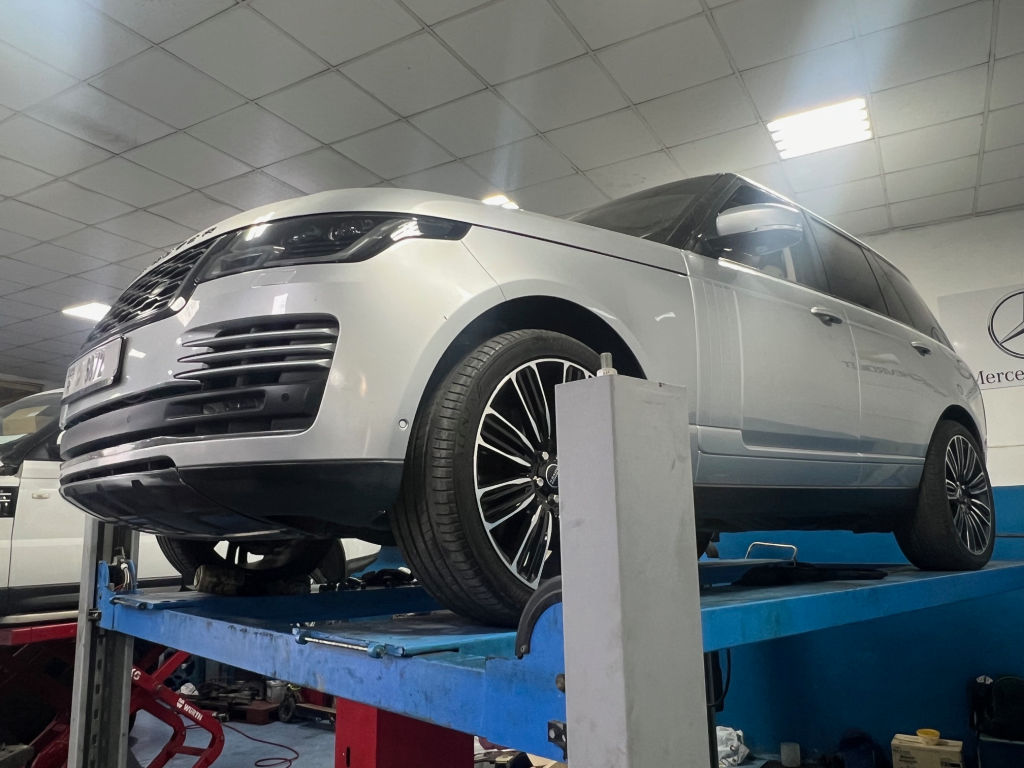
The Primary Causes of Air Suspension Failures
Climate and Environmental Factors
The harsh desert climate plays a significant role in accelerating air suspension deterioration. Extreme temperature fluctuations cause the rubber components within air springs to age prematurely. The intense heat causes rubber to become brittle and crack, while the materials expand and contract in response to temperature changes. Sand and dust, abundant in desert environments, infiltrate seals and connections, causing premature wear and air leaks.
Air Spring Deterioration
Air springs, also called air bags or air bellows, are the most common failure point. These rubber and fabric composite structures hold compressed air and support the vehicle’s weight. Over time, the constant flexing, exposure to road debris, oils, and environmental factors cause the rubber to permeate, crack, or tear. Once compromised, air leaks develop, causing the suspension to sag or fail.
Compressor Overwork and Failure
When air leaks exist elsewhere in the system, the air compressor works overtime attempting to maintain proper pressure. This excessive cycling leads to compressor burnout—an expensive failure that could have been prevented with earlier intervention. A compressor that runs constantly is a clear warning sign that shouldn’t be ignored.
Valve Block and Solenoid Issues
The valve block distributes air to individual air springs and contains multiple solenoids that control air flow. These components are susceptible to internal wear, corrosion, and electrical failures. When valve block problems occur, you might experience uneven ride height or the inability to adjust suspension settings.
Height Sensor Malfunctions
Sensors at each corner monitor suspension height and communicate with the control module. These sensors can fail due to corrosion, physical damage, or electrical issues. When height sensors malfunction, the system receives incorrect information, leading to improper adjustments and warning messages.
Degraded Air Lines and Connections
The air lines that transport compressed air throughout the system are made of plastic and rubber materials that deteriorate over time. Connections can become loose, O-rings can fail, and the lines themselves can crack—all resulting in air leaks that compromise system performance.
The Repair Process: What to Expect
Diagnosing air suspension problems requires specialised diagnostic equipment and expertise. A qualified technician will connect diagnostic tools to read fault codes, perform visual inspections, and conduct pressure tests to identify the exact source of failure.
The repair process typically involves:
Initial Diagnostic Assessment: Using manufacturer-specific diagnostic equipment to read system faults and identify failed components.
Physical Inspection: Examining all air springs, lines, connections, and the compressor for visible damage, wear, or leaks.
Component Replacement: Replacing failed air springs, compressors, valve blocks, or sensors with quality parts designed for your specific Range Rover model.
System Calibration: After repairs, the system must be properly calibrated to ensure correct ride height and functionality across all driving modes.
Quality Testing: Comprehensive testing to verify repairs and ensure the system operates correctly under various conditions.
Why Specialised Service Is Essential
Air suspension systems are not simple mechanical components that any general mechanic can properly service. They require:
Specialised Diagnostic Equipment: Manufacturer-level diagnostic tools are necessary to accurately identify faults within these complex electronic systems.
Technical Knowledge: Understanding the intricate relationships between components and how the system should function requires specific training and experience.
Quality Parts: Using OEM or high-quality aftermarket components ensures longevity and proper function. Inferior parts lead to repeated failures.
Proper Calibration: After repairs, the system must be calibrated correctly, or problems will persist even with new components installed.
Attempting DIY repairs or using unqualified services often results in misdiagnosis, inappropriate repairs, and ultimately higher costs when the problems continue.
Prevention and Maintenance
While air suspension problems are common, proactive maintenance can extend system life. Regular inspections, addressing warning lights promptly, and keeping the system clean can prevent minor issues from becoming major failures.
Read the Blog by Experts:
- Signs That Your Range Rover Ignition Coil Is Failing
- Why is an oil change important for your Range Rover?
Conclusion
Air suspension problems in Range Rovers stem from the system’s complexity and vulnerability to environmental factors, component wear, and cascading failures. While these issues are frustratingly common, they’re manageable with proper diagnosis, quality repairs, and specialised service from technicians who understand these sophisticated systems. Addressing problems early and choosing qualified professionals ensures your Range Rover continues delivering the exceptional ride quality that makes these vehicles special.
Thanks to Fuelpumpexpress.com Team!