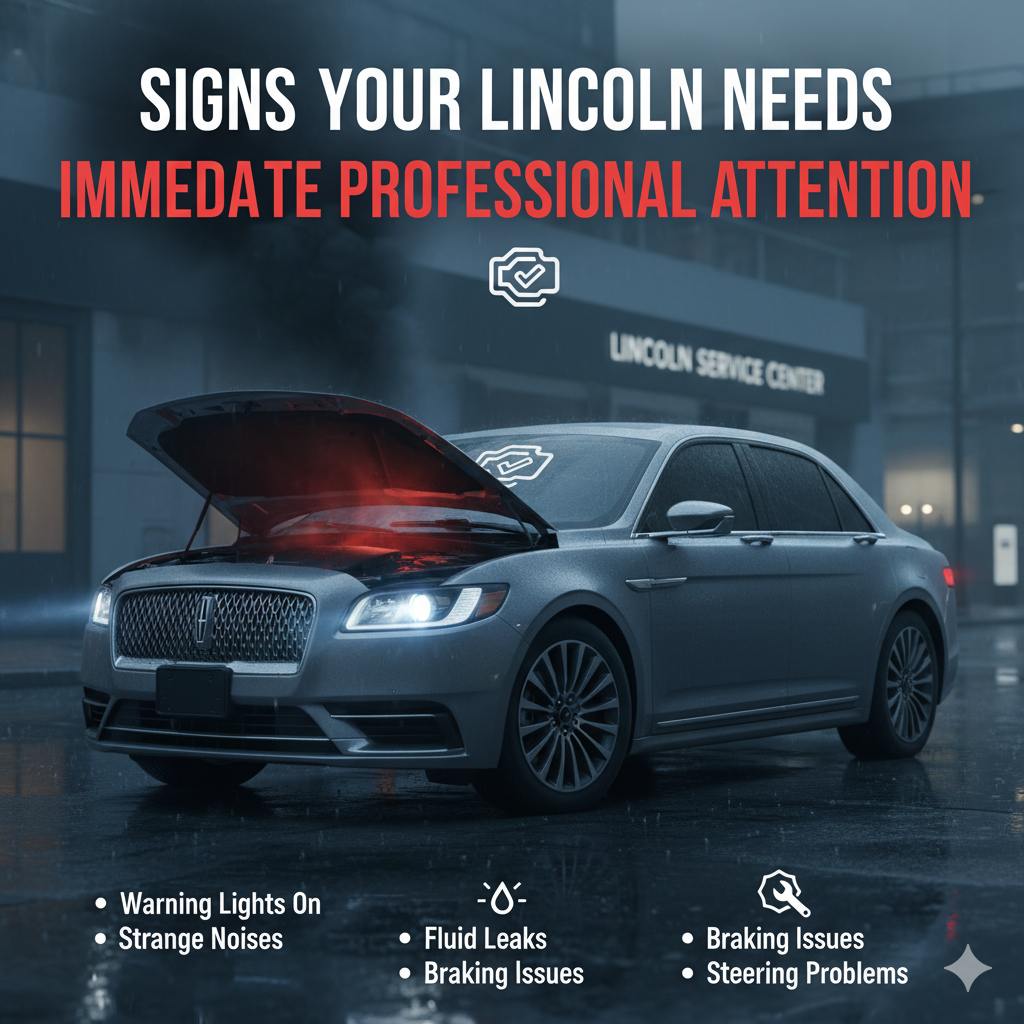
Signs Your Lincoln Needs Immediate Professional Attention
Owning a Lincoln means experiencing the pinnacle of American luxury and automotive engineering. These sophisticated vehicles are designed to deliver exceptional comfort, performance, and reliability. However, even the most well-crafted automobiles require attention when warning signs appear. Recognising these indicators early can prevent minor issues from escalating into costly repairs and keep your Lincoln performing at its best.
As a luxury vehicle owner, you’ve invested significantly in quality and craftsmanship. Understanding when your Lincoln requires immediate professional care is essential to protecting that investment. Whether you’re driving a Navigator, Aviator, Corsair, or Continental, certain warning signs should never be ignored. If you notice any concerning symptoms, consulting a qualified Lincoln car service specialist in Dubai can help diagnose and resolve issues before they compromise your vehicle’s performance or safety.
Dashboard Warning Lights That Demand Immediate Attention
Your Lincoln’s sophisticated computer system constantly monitors dozens of functions, and dashboard warning lights serve as your first line of defence against serious mechanical problems.
Check Engine Light: While this might illuminate for minor issues like a loose gas cap, it can also indicate serious engine problems. A flashing check engine light is particularly urgent, suggesting severe misfires that could damage your catalytic converter.
Brake System Warning: Any illuminated brake warning light requires immediate investigation. Lincoln’s advanced braking systems include features like ABS and electronic brake distribution, and failures in these systems compromise your safety.
Oil Pressure Warning: Low oil pressure can cause catastrophic engine damage within minutes. If this light appears, stop driving immediately and have your Lincoln towed to a service centre.
Temperature Warning: Overheating can warp cylinder heads and damage gaskets. Lincoln engines are precision-engineered, and excessive heat can cause expensive damage quickly.
Battery/Charging System Alert: This indicates your alternator isn’t charging properly, potentially leaving you stranded.
Unusual Noises That Signal Problems
Luxury vehicles like Lincoln are engineered for quiet operation, so any unusual sounds deserve attention.
Grinding or Squealing When Braking: This typically indicates worn brake pads or damaged rotors. Lincoln’s braking systems are sophisticated, and continuing to drive with worn brakes can damage expensive components.
Knocking from the Engine: Engine knock suggests problems with fuel combustion, potentially caused by bad fuel, carbon buildup, or timing issues. This can lead to serious engine damage if left unaddressed.
Clicking During Turns: Often indicates worn CV joints, which can eventually fail and leave you unable to drive.
Whining from the Transmission: Lincoln’s advanced transmissions should operate smoothly. Whining, grinding, or clunking during gear changes suggests internal transmission problems requiring immediate diagnosis.
Rattling from Underneath: Could indicate loose exhaust components, damaged heat shields, or suspension problems—all requiring prompt inspection.
Fluid Leaks Requiring Urgent Investigation
Finding puddles beneath your Lincoln should always prompt immediate action.
Red or Brown Fluid: Transmission fluid leaks are serious. Lincoln transmissions are complex and expensive to repair or replace. Operating with low transmission fluid causes rapid damage.
Green, Yellow, or Pink Fluid: Coolant leaks can cause overheating. The colour depends on the coolant type, but any leak requires immediate repair to prevent engine damage.
Clear, Oily Fluid: Power steering fluid leaks make steering difficult and can damage the power steering pump, a particularly expensive component in Lincoln vehicles.
Dark Brown or Black Oil: Engine oil leaks not only create environmental hazards but also deprive your engine of critical lubrication. Even small leaks worsen over time.
Clear Water: Usually harmless condensation from your air conditioning system, but excessive amounts could indicate other issues.
Performance Issues That Shouldn’t Be Ignored
Changes in how your Lincoln drives often indicate underlying mechanical problems.
Reduced Power or Acceleration: If your Lincoln feels sluggish or hesitates when accelerating, this could indicate fuel system problems, sensor failures, or transmission issues.
Steering Problems: Difficulty turning, vibrations in the steering wheel, or the vehicle pulling to one side suggest alignment issues, tyre problems, or suspension component failures.
Excessive Vibration: While some vibration is normal, excessive shaking at certain speeds often indicates unbalanced tyres, worn suspension components, or driveline problems.
Rough Idling: Your Lincoln should idle smoothly. Rough or unstable idling suggests engine misfires, vacuum leaks, or fuel system problems.
Lincoln-Specific Technologies Requiring Specialised Attention
Modern Lincoln vehicles incorporate advanced technologies that require specialised diagnostic equipment and expertise.
Adaptive Suspension Failures: Lincoln’s adaptive suspension systems provide exceptional ride quality. Warning lights or noticeable ride quality changes require immediate professional diagnosis.
Advanced Driver Assistance Problems: Features like Co-Pilot360, adaptive cruise control, and lane-keeping assist rely on sensors and cameras. Malfunctions in these systems need specialised recalibration.
Infotainment and SYNC System Issues: While seemingly minor, persistent electronic glitches can indicate larger electrical problems requiring comprehensive diagnostics.
The Importance of Professional Diagnosis
Lincoln vehicles represent sophisticated engineering that requires specialised knowledge and diagnostic equipment. Attempting DIY repairs or delaying professional service can lead to:
- More expensive repairs as minor issues escalate
- Voided warranties if improper repairs are performed
- Safety risks from unresolved mechanical problems
- Decreased resale value from improper maintenance
Conclusion
Your Lincoln deserves expert care to maintain its luxury performance and reliability. Recognising warning signs early and seeking immediate professional attention protects your investment and ensures your safety. Don’t wait for minor symptoms to become major problems—addressing issues promptly keeps your Lincoln running beautifully for years to come.
Regular maintenance combined with prompt attention to warning signs represents the best strategy for Lincoln ownership. Your vehicle communicates its needs through various indicators; listening to these signals and responding quickly ensures you’ll continue enjoying the exceptional driving experience Lincoln is renowned for delivering.