
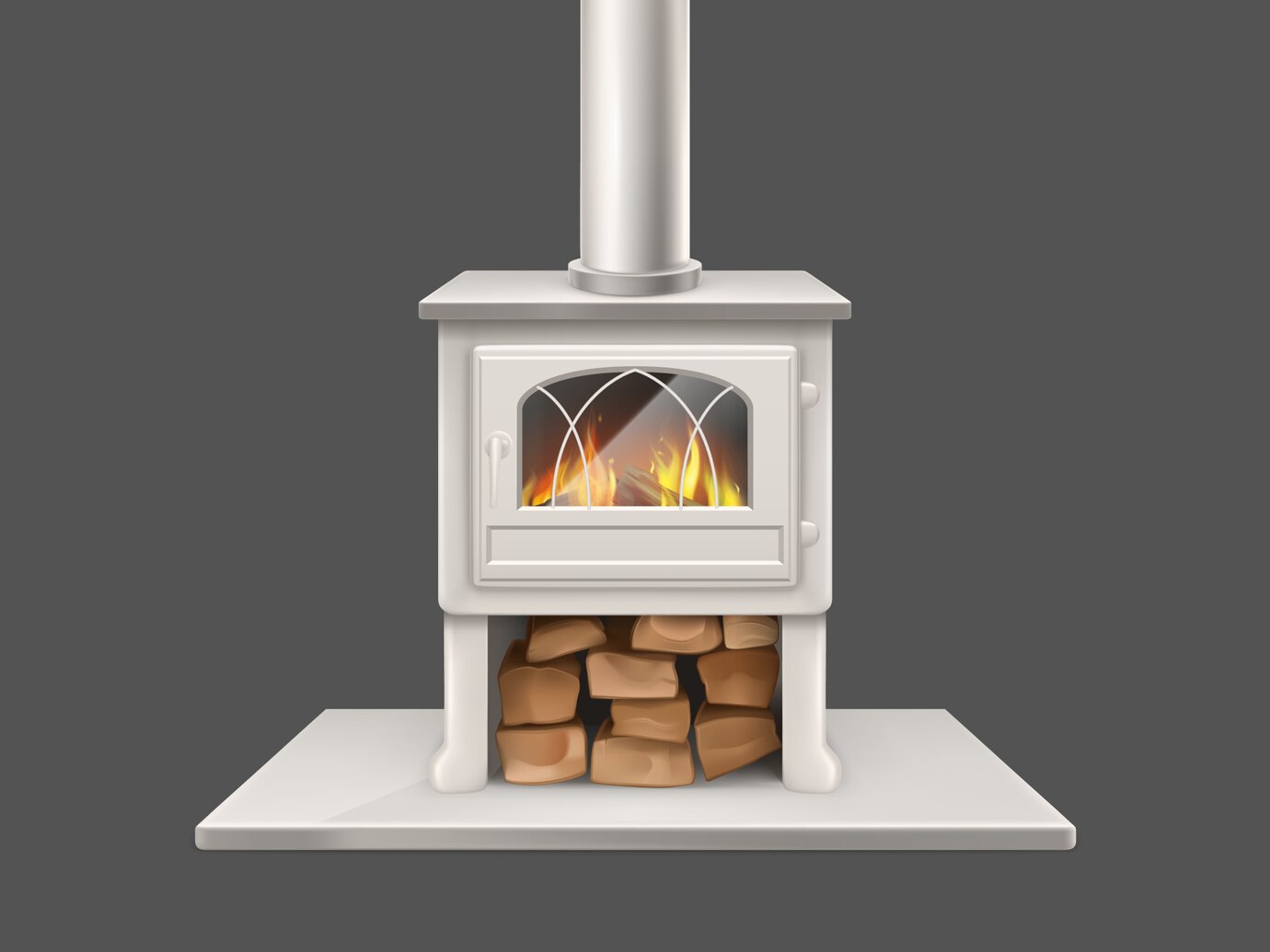
Choosing the Right Wood Oven Chimney – A Complete Guide by Stainlessflue AU
Wood ovens have become increasingly popular across Australia—not only for traditional-style pizza baking but also as a centerpiece in modern outdoor kitchens and rural homes. However, what often gets overlooked in this setup is one of the most critical components for safety and performance: the wood oven chimney. At Stainlessflue AU, we specialise in top-tier flue and chimney solutions, ensuring your wood oven operates safely, efficiently, and in compliance with Australian standards.
In this comprehensive guide, we’ll walk you through everything you need to know about wood oven chimneys—from types, materials, and installation tips, to maintenance and local regulations.
Why Is the Chimney So Important in a Wood Oven?
Many people think the oven is the heart of a wood-fired setup, but in reality, the chimney system is its lungs. Without a properly installed and functioning chimney, your oven won’t draw air correctly, causing smoke, poor combustion, and potential fire hazards.
Key Roles of a Chimney in a Wood Oven:
- Smoke Ventilation: Removes harmful smoke and gases like carbon monoxide.
- Airflow Management: Creates a draft to help maintain a strong, consistent fire.
- Temperature Control: Helps regulate internal heat for even cooking.
- Safety Compliance: Prevents backdrafts, flare-ups, and dangerous indoor conditions.
Types of Chimneys for Wood Ovens
Choosing the correct chimney type depends on where your oven is located, your design goals, and building regulations in your area.
Vertical Chimneys (Standard)
The most common and effective option. A vertical chimney:
- Supports optimal draft
- Meets most council safety codes
- Works well for both indoor and outdoor ovens
Angled Chimneys (Offset)
Used when the oven’s placement doesn’t allow for a straight vertical rise. They:
- Are less efficient than vertical models
- Require elbows or bends, increasing complexity
- Must be installed carefully to maintain safe airflow
Wall Exit Chimneys
These exit through a wall and then go up externally:
- Ideal for indoor wood ovens placed near an exterior wall
- Require proper flashing and insulation where they penetrate the wall
- Must follow strict clearance requirements
Best Materials for Wood Oven Chimneys
At Stainlessflue AU, we recommend stainless steel for all Wood oven chimney installations due to its durability, corrosion resistance, and heat tolerance.
Stainless Steel Chimney Flue (304 or 316 grade)
- Ideal for both indoor and outdoor use
- Resistant to rust and high temperatures
- Easy to clean and maintain
- Long-lasting and low maintenance
Galvanised Steel or Aluminium
- Poor heat resistance
- Susceptible to corrosion
- Not suitable for wood ovens
Insulated Double-Wall Flue
- Prevents heat loss and condensation
- Enhances draft in colder environments
- Meets Australian safety standards (AS/NZS 2918)
Essential Components of a Wood Oven Chimney System
- Chimney Flue Pipe – The main pipe through which smoke escapes.
- Chimney Cap / Cowl – Protects the chimney from rain, animals, and downdrafts.
- Flashings – Seals gaps around where the chimney passes through roofs or walls.
- Insulation – Required for double-wall flues to prevent condensation and overheating.
- Wall Brackets – Provide stability and support, especially for taller external chimneys.
Stainlessflue AU offers a complete range of kits and individual components, customisable for any installation.
How to Size a Chimney for Your Wood Oven
Correct sizing ensures optimal performance and safety. A poorly sized flue can result in smoke spillage, creosote build-up, or insufficient draft.
General Rules:
- Flue Diameter: Should be the same size as the flue outlet on your oven (commonly 6″ or 150mm).
- Chimney Height: Minimum of 4 metres above the base of the oven or 600mm above roof level (whichever is higher).
- Bends: Limit to two 45° bends in a single chimney system to maintain draft.
Tip: When in doubt, go slightly larger rather than smaller, and consult with the team at Stainlessflue AU for custom advice.
Indoor vs. Outdoor Wood Oven Chimneys
Indoor Wood Ovens:
- Must comply with building codes (AS/NZS 2918)
- Require insulated, double-wall stainless flue
- Need proper clearance from combustibles
- Often require permits or inspections
Outdoor Wood Ovens:
- Generally easier to install
- Less insulation needed in mild climates
- Still require rain protection and wind-resistant cowls
- Easier access for maintenance and cleaning
Note: Even outdoor ovens must be installed safely to avoid fire risk and meet insurance requirements.
Common Installation Mistakes to Avoid
- Using Single Wall Pipes Outdoors – Prone to rust and heat loss.
- Ignoring Clearance to Combustibles – Risk of fire or structural damage.
- Poor Sealing at Roof Penetrations – Leads to leaks and water damage.
- Incorrect Chimney Height – Results in weak draft and smoke issues.
- No Chimney Cap – Allows rain, birds, and debris to enter.
Stainlessflue AU’s pre-configured kits make it easy to avoid these pitfalls, especially for DIY users and professional installers alike.
Maintenance Tips for Your Wood Oven Chimney
Even stainless steel chimneys need some TLC. Here’s how to keep yours working smoothly:
Regular Cleaning:
- Clean soot and creosote buildup every 3–6 months (more often if used frequently).
- Use a stainless steel flue brush compatible with your chimney diameter.
Inspections:
- Check for corrosion, bird nests, and blockages before each season.
- Inspect rain caps and joints after storms or high winds.
External Cleaning:
- Wipe down external flue pipes with a damp cloth and mild detergent.
- Avoid abrasive cleaners that can damage the stainless finish.
Bonus: Stainlessflue AU offers chimney brushes and maintenance kits for hassle-free upkeep.
Local Building Codes and Compliance in Australia
Your wood oven chimney must comply with Australian standards, including:
- AS/NZS 2918:2001 – For solid fuel appliance installations
- AS 5601 – For gas flues (if applicable in hybrid ovens)
- Clearances – 25mm for stainless steel double-wall, 100mm+ for single-wall
Council Approvals:
- Indoor installations may require council approval and certified inspection
- Outdoor installations on decks or close to property lines may also be subject to local regulations
Tip: Stainlessflue AU can provide documentation and spec sheets for your chimney system to streamline the approval process.
Custom Solutions by Stainlessflue AU
Not every setup fits a one-size-fits-all chimney. At Stainlessflue AU, we provide:
- Custom-length chimney kits
- Bespoke bends and offsets
- Double-wall insulated kits
- Rain cowls and wind-directional caps
- Color-matching flue systems for aesthetic finishes
Whether you’re installing a pizza oven on your rural property or adding a statement piece to your alfresco area, we’ve got the right solution.
(FAQs)
Do I need a flue for an outdoor pizza oven?
Yes. Without a flue, smoke will pool around the oven, causing discomfort, poor airflow, and potentially unsafe conditions.
What’s better: single-wall or double-wall flue?
For outdoor use in mild climates, single-wall can be sufficient. For indoor or cold regions, double-wall is safer and more efficient.
Can I install the chimney myself?
Yes, if you’re experienced with DIY and follow regulations. However, professional installation is recommended for indoor setups.
How long does a stainless steel chimney last?
With proper care, a high-quality stainless steel chimney can last 20+ years, especially if sourced from a trusted supplier like Stainlessflue AU.
Final Thoughts
A wood oven is an amazing investment for your home, lifestyle, and culinary enjoyment—but it’s only as good as the chimney behind it. A high-quality, well-installed wood oven chimney ensures proper ventilation, enhances performance, and keeps your space safe and compliant.