
P&H Main & Auxiliary Winch Parts: Essential Information for Buyers
P&H cranes are a staple in heavy equipment operations, renowned for their durability and performance across industries. However, even these robust machines experience wear, with the winch system often being the first to show signs of trouble.
The winch is the core of a crane’s lifting and positioning capabilities. A failure here can bring your job site to a halt, turning your crane into an expensive liability. If you’re sourcing P&H crane parts for the main or auxiliary winch, here’s what you need to know to make smart purchasing decisions.
Main Winch: The Heavy-Duty Foundation
The main winch is built for the toughest jobs—lifting heavy loads, managing long pulls, and enduring constant stress. It’s the driving force behind your crane’s lifting power.
Its key components include:
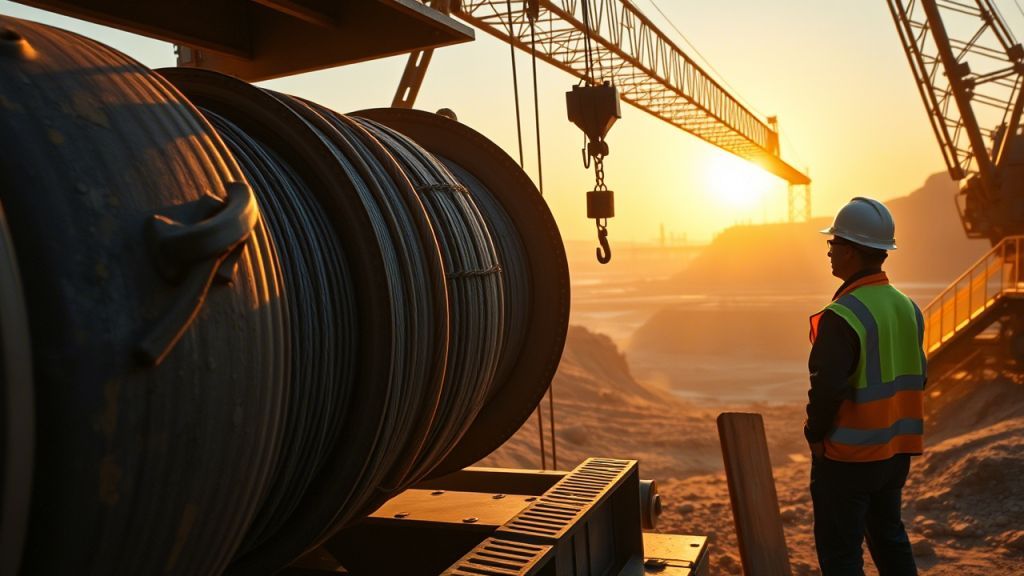
- The drum, which holds and manages the wire rope.
- The gearbox, converting motor energy into lifting strength.
- The motor, typically electric or hydraulic, powering the system.
- Brakes, ensuring safe and controlled movements.
- Supporting parts like bearings, seals, and shafts that keep everything running smoothly.
When these parts fail, the winch’s performance suffers. A leaking seal can affect the brakes, while a worn bearing might cause vibrations that damage the drum. These small issues can escalate, turning a minor repair into a costly overhaul if not addressed promptly.
Auxiliary Winch: Critical for Precision Tasks
The auxiliary winch handles lighter loads, often requiring faster or more precise movements. It’s essential for tasks that don’t need the main winch’s strength but still demand reliability.
It shares similar components with the main winch, just scaled for lighter duties. Its frequent use in repetitive lifts can lead to faster wear. Don’t overlook it just because it’s not lifting the heaviest loads—a failed auxiliary winch can disrupt operations or create safety hazards.
Common Failures and Their Impact
Winch issues often stem from routine wear:
- Bearings degrade, causing friction or wobbling.
- Wire ropes fray or deform under heavy use.
- Brake pads wear thin, reducing stopping power.
- Gears crack or chip, disrupting smooth operation.
- Motors overheat or lose efficiency over time.
These problems are common in the harsh conditions cranes face—dust, moisture, or extreme temperatures. Regular inspections are crucial to catch issues early. Replacing one part isn’t always enough; a new brake won’t help if the gearbox is failing. Treat the winch as an interconnected system.
Choosing a Reliable Crane Parts Supplier
When sourcing P&H crane parts, the crane parts supplier you choose matters. Some suppliers offer generic parts with little expertise, while others specialize in P&H cranes and understand their systems thoroughly.
A quality supplier will ask:
- What’s the crane’s model and year of manufacture?
- What’s its primary use—construction, mining, or port operations?
- Are there any modifications to the system?
- What specific symptoms are you noticing?
This ensures you get the right part. A mismatched component can damage other parts, void warranties, or create safety risks. A knowledgeable supplier can also guide you on OEM versus aftermarket parts, providing honest advice based on your needs.
Preventing Costly Issues
Wear is unavoidable, but proactive maintenance can limit its impact. Schedule regular inspections and listen to operators—they often notice early signs like unusual noises or sluggish performance. Act quickly to address these.
When replacing a part, don’t stop at the failure. If the main winch motor fails, check the drum. If the brakes are slipping, inspect the gearbox. Addressing the system as a whole prevents recurring problems.
Final Thoughts
P&H cranes are engineered for tough jobs, with main and auxiliary winch systems designed for demanding tasks. But they need proper care to stay reliable. When buying P&H crane parts, work with a crane parts supplier who knows P&H systems, understand the root cause of the issue, and address the winch holistically. This keeps your crane running, reduces downtime, and ensures safety. A crane that’s down is a costly setback—don’t let it happen.