P&H Crane Parts: Stopping Downtime from Hurting Your Mining Operation
Downtime in mining is more than a delay—it’s a financial hit. It disrupts production, drives up costs, and stresses everyone from operators to executives. One of the biggest causes? A P&H crane failure with no parts to get it back online.
P&H cranes are designed for mining’s harsh realities—moving massive loads through tough conditions. But even these workhorses break. Motors fail, hoist cables snap, or hydraulic systems give out. When that happens, every stalled minute eats into your profits.
A well-stocked inventory of P&H crane parts and a reliable crane parts supplier can keep disruptions to a minimum and your mine on track.
The Risk of Empty Shelves
Think about this: Your P&H 4100 crane goes down during a busy shift. The problem? A failed slew drive. You check your inventory—nothing. Your regular supplier is out, and the earliest delivery is three days away, even with express shipping. Production stalls, schedules unravel, and costs climb—extra labor, missed targets, and rush freight fees.
This happens when parts planning is neglected. Waiting for a failure to think about spares is a costly mistake.
Designing a Smart Inventory
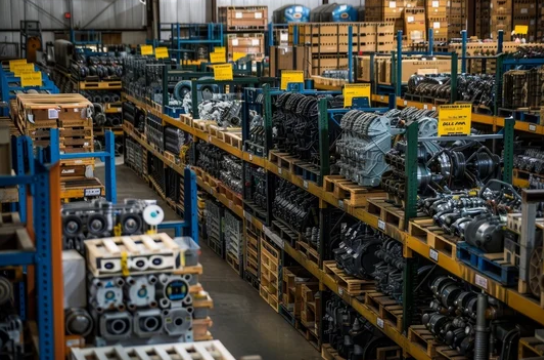
You don’t need to hoard every part—just the ones that matter. A targeted inventory focuses on what’s likely to break and what’s critical to crane function. Stock:
- Wear-prone parts: Brake shoes, electrical contacts, hoist ropes, and rollers that degrade under strain.
- Long-delivery components: Items like custom hydraulic pumps or gear assemblies that take time to source.
- Critical pieces: Anything that stops the crane, like main hoist motors or control systems.
Your inventory should match your operation. Remote sites need bigger stockpiles to handle long shipping times. Mines near suppliers can stock lighter but still need key spares. Review your inventory every few months. Are you overstocked on unused parts? Always short on others? Adjust based on usage trends and aging equipment.
Why a Crane Parts Supplier Is Essential
A true crane parts supplier isn’t just a vendor—they’re a lifeline. They know P&H cranes, their failure patterns, and how to find rare or obsolete parts. For older models with discontinued components, they can track down surplus stock, recommend aftermarket options, or suggest rebuild solutions.
A great supplier understands mining’s urgency and delivers fast. Ask:
- Are they experts in P&H crane parts?
- Can they handle part number changes or find substitutes?
- Do they alert you to parts becoming hard to find?
- Can they meet tight deadlines when you’re in a pinch?
If your supplier isn’t up to the task, find one who is.
Dealing with Obsolete Parts
Older P&H cranes face a real problem: parts that are no longer made. When a critical component fails and the OEM has discontinued it, you’re left with long delays or expensive custom fabrication.
To avoid this:
- Stay proactive: Ask your supplier about parts at risk of being phased out.
- Buy ahead: If a key part is being discontinued, stock up now, even if it’s costly.
- Look at retrofits: Upgrading to newer components can prevent future shortages.
Planning ahead keeps you from scrambling.
Keep Tracking Tight
A great inventory falls apart without good tracking. Imagine assuming you have a spare contactor, only to find it was used and never logged. Or a part is on the shelf but uninspected, causing delays when it doesn’t work.
Clear systems—labeled storage, accurate counts, and reliable documentation—are non-negotiable. Software helps, but discipline is what makes it work. Everyone from maintenance crews to procurement needs to follow through. Regular checks catch mistakes before they cause problems.
People Keep Things Running
Parts alone don’t fix cranes—people do. Mechanics who know the machines, inventory staff who stay organized, and suppliers who act fast are the backbone of uptime. Build connections. Share failure trends with your supplier. Talk to your crew about what’s breaking. When everyone’s in sync, solutions come faster.
Be Ready Before the Failure
Breakdowns are inevitable, but long downtimes aren’t. A smart P&H crane parts inventory and a dependable crane parts supplier are your best tools to keep disruptions in check. In mining, every idle crane costs more than the part you didn’t have. Plan smart, track carefully, and partner with people who get it. That’s how you keep your mine—and your profits—on the move.