
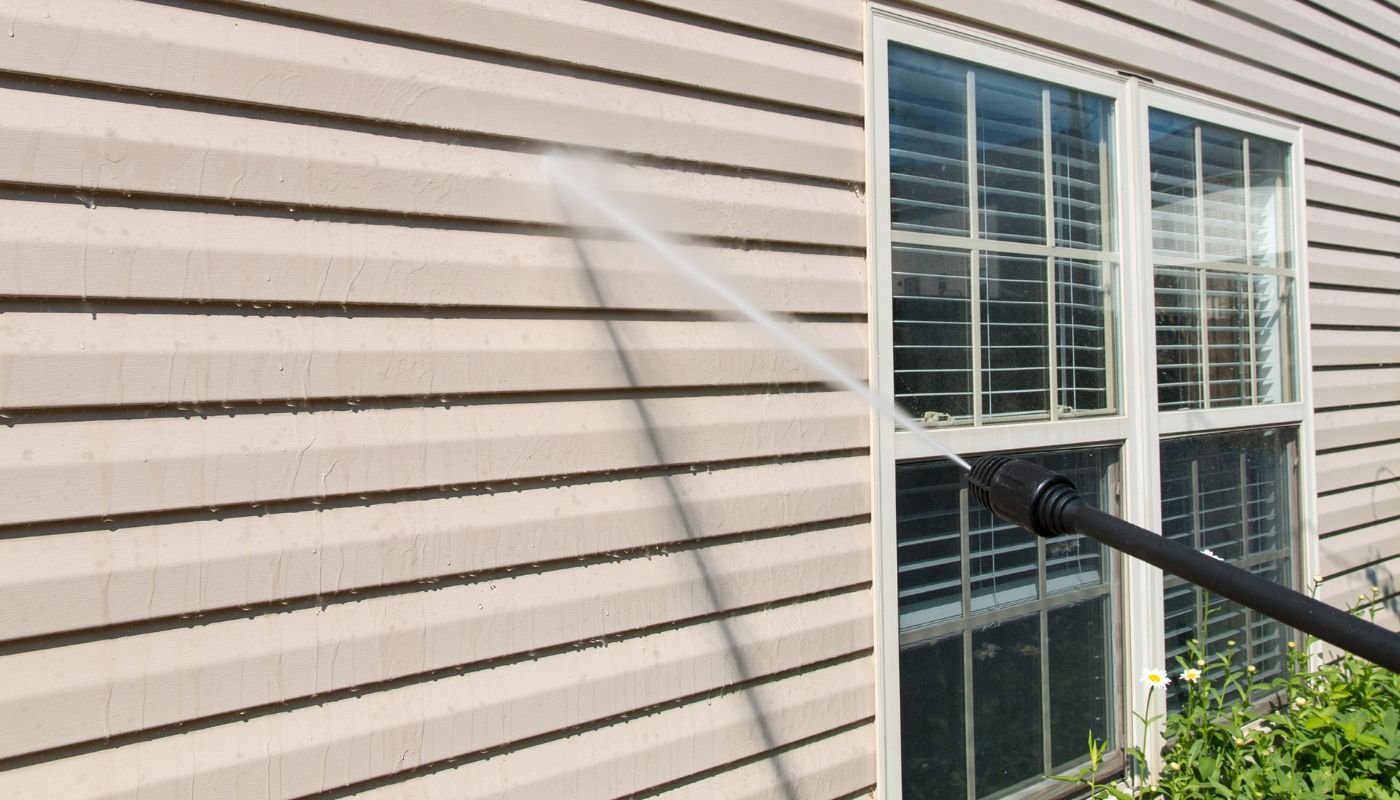
How Power Washing Can Extend the Life of Your Home’s Exterior Paint
A bright, freshly painted exterior improves curb appeal — but clean surfaces are the silent workhorse that keep that paint looking good and lasting longer. Power washing is more than a cosmetic upgrade: when done correctly, it removes the grime and biological growth that break paint adhesion, exposes hidden damage early, and sets the stage for repairs and repainting that stretch your investment farther. This guide explains why pressure- and soft-washing matter, how they protect paint, best practices for Stillwater homeowners, and a real-world case study showing results.
Why paint fails — common culprits you can prevent
Before we talk about washing, it helps to know what actually damages paint. The main enemies are:
- Surface contaminants: dust, pollen, soot and road grime create a dirty film that reduces adhesion.
- Biological growth: algae, mildew and mold feed on dirt and sugars; they stain and create moisture pockets that lift paint.
- Chalk and oxidation: sun and weather break down the paint binder and leave a chalky residue that new coatings can’t grip.
- Trapped moisture: clogged gutters, siding gaps, and unventilated areas let water linger against paint, accelerating rot and blistering.
- Environmental deposits: salt (in some areas), mineral deposits or airborne chemicals can chemically attack coatings.
Left unchecked, these issues force earlier repainting, cause flaking, and can lead to expensive substrate repairs. Power washing interrupts the process — it removes the problem before paint loses its bite.
What power washing actually does for paint longevity
Power washing does several things that matter to the lifespan of exterior paint:
- It restores adhesion. Paint bonds to a clean surface. By blasting away dirt, chalk, and oils, power washing lets primers and topcoats adhere as intended.
- It removes biological growth. Algae and mildew not only stain but hold moisture against paint and wood. Eliminating them reduces moisture-related damage.
- It exposes hidden issues. When grime is stripped away, contractors can spot rotten trim, failing caulk, or cracked masonry sooner — problems that would otherwise undermine any new paint.
- It evens the substrate. Areas with heavy soiling or weathering that are not cleaned will show through new paint. Washing creates a uniform surface so color and sheen are consistent.
- It improves prep efficiency. Cleaning before sanding or priming reduces the labor needed later and lowers the chance of rework.
Think of power washing as preventive maintenance: the small cost today prevents big repairs and repaint jobs tomorrow.
Soft-wash vs. high-pressure washing — which is right for your home?
Not all “power washing” is the same. Two common approaches are soft-wash and high-pressure washing. Each has a place.
- Soft-wash uses low pressure and detergents/biocides to gently clean siding, soffits, and delicate materials. It’s excellent for removing mildew, algae, and pollen without risking damage to shingles, stucco, or older wood. Soft-wash is often the preferred choice for painted surfaces because it cleans effectively without forcing water under siding or into seams.
- High-pressure washing uses greater force and is useful for removing heavy grime, peeling paint, and stubborn stains on brick, concrete, and very soiled surfaces. It can damage wood or force water into joints if not used skillfully.
For most painted exteriors, especially older or wood-sided houses common in Stillwater, a trusted professional will recommend soft-wash methods first and reserve higher pressures for limited, controlled areas.
When to power wash: timing and frequency
How often you need a professional power washing service depends on local conditions and materials. Consider these general rules:
- Mild climates with little biological growth: wash every 2–3 years.
- Humid, pollen-heavy climates, or homes shaded by trees (common in parts of Stillwater): annual or biennial washing may be warranted.
- Before repainting: always power wash as part of the prep — do it a few days before painting so the substrate fully dries.
- After storms or long pollen seasons: an extra cleaning can prevent staining and mold colonization.
If you’re unsure, inspect vulnerable areas (north-facing walls, eaves, the area near landscaping) for green or black staining or chalky residue; these are signs it’s time to call a pro.
Best practices to protect paint while power washing
Power washing helps, but poor technique can cause harm. Follow these best practices:
- Use chemical cleaners judiciously. Biocide detergents remove mold and mildew, but they must be rinsed and used per manufacturer guidelines to protect vegetation and water runoff.
- Avoid excessive pressure on painted wood, thin siding, and older trim. High PSI can strip paint and force water behind surfaces.
- Start low and test. Professionals always start with a low-pressure test in an inconspicuous spot to confirm the method is safe.
- Address loose paint first. If existing paint is severely flaking, a contractor should remove loose material prior to washing and take care not to spread contaminants.
- Rinse thoroughly and let surfaces dry before painting. Residual detergent or trapped moisture will interfere with primers and topcoats.
- Protect landscaping and outdoor electrical fixtures. Cover plants and seal outlets as needed.
A trusted Power Washing Service In Stillwater, OK will follow these standards and be transparent about products and pressures used.
Environmental and safety considerations
Responsible companies manage runoff and safety. They use biodegradable cleaners where possible, employ containment methods to reduce sediment flow into storm drains, and follow local regulations for wastewater. They also carry insurance and use fall protection when working on ladders or roofs. Ask any contractor for their safety and environmental protocols before hiring.
How power washing fits into a longer maintenance plan
Power washing is one step in a durable paint program. A recommended lifecycle looks like this:
- Annual inspection: spot-check for mildew, clogged gutters, or caulk failure.
- Clean (power wash) as needed — often annually in humid climates.
- Repair and caulk any gaps exposed after cleaning.
- Prime problem areas and touch up paint.
- Plan full repaint every 5–10 years depending on siding, exposure, and paint quality.
This routine preserves paint adhesion and prevents small problems from becoming costly repairs.
Real-world case study — Stillwater bungalow saved by timely cleaning
The Wells family of Stillwater noticed dark green stripes forming on the north side of their bungalow — mainly in shaded areas where trees hung over the eaves. They called Mancini Custom Painting for an evaluation.
What the crew found: heavy pollen build-up and early-stage algae growth. The homeowners had been planning a full repaint in two years but wanted to know if cleaning now would help.
Action taken:
- Mancini performed a soft-wash using a low-pressure system with a biodegradable mildew cleaner, rinsed carefully, and protected nearby landscaping.
- After drying, the crew re-inspected and repaired small areas of failing caulk and replaced two short sections of rotted trim.
- The Wells family postponed the full repaint because the cleaning restored uniform appearance and the repairs addressed hidden damage.
Results:
- Immediate visual improvement: the house looked refreshed without repainting.
- Material savings: postponing the repaint for three years saved the family an estimated 25–35% on materials and labor that would have been needed had the substrate deteriorated.
- Long-term benefit: removing biological growth reduced moisture retention against siding and delayed the spread of decay, extending the likely life of the current paint by several seasons.
This example shows how a relatively small investment in professional cleaning and minor repairs can delay a full repaint and protect the structure.
Hiring a Power Washing Service In Stillwater, OK — what to ask
When you contact a company, get clear answers to these questions:
- Do you use soft-wash methods for painted surfaces?
- What cleaning solutions do you use, and are they plant-safe?
- How do you protect landscaping, screens, and electrical fixtures?
- Can you provide proof of insurance and references from local customers?
- Will you inspect and report any damaged trim, failed caulk, or areas needing repair?
- Do you offer a follow-up inspection after a heavy pollen or storm season?
A reliable, top-rated contractor will be happy to walk you through their process and provide a written scope.
Cost considerations — value, not just price
Power washing prices vary by house size, complexity, and the cleaning methods required. While cost matters, focus on value: a thorough, safe cleaning that uncovers needed repairs and preserves paint payoff will save money over time. Cheap “drive-by” cleanings that use excessive pressure or poor containment can damage siding or cause costly water intrusion.
Final thoughts
Power washing is more than a cosmetic service — it’s preventive maintenance that protects paint adhesion, uncovers hidden problems, and helps you get more seasons from each repaint. For Stillwater homeowners dealing with pollen, shade, and occasional humidity, scheduling a professional Power Washing Service In Stillwater, OK at the right interval is one of the smartest investments you can make to preserve curb appeal and reduce long-term maintenance costs. If you’re planning a repaint, start with cleaning: it will save time, money, and ensure the new finish performs as expected.