https://fuelpumpexpress.com

How Power Washing Can Extend the Life of Your Home’s Exterior Paint

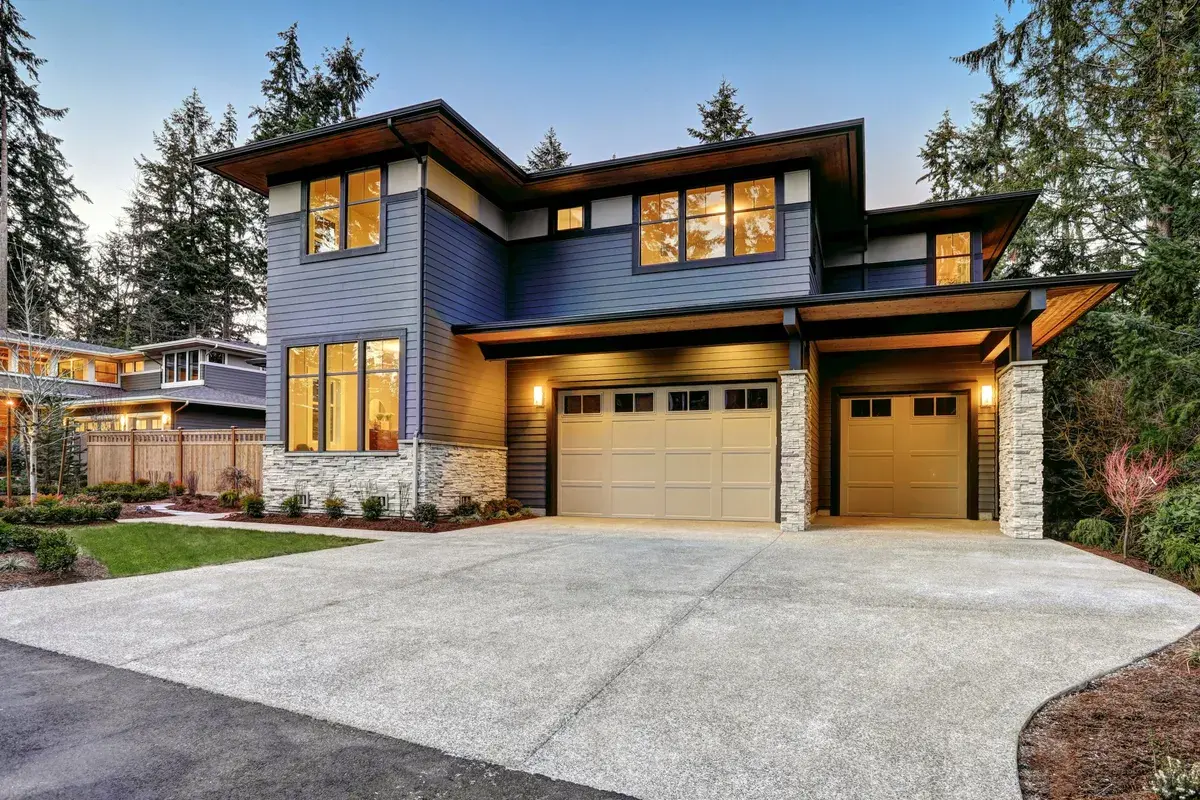
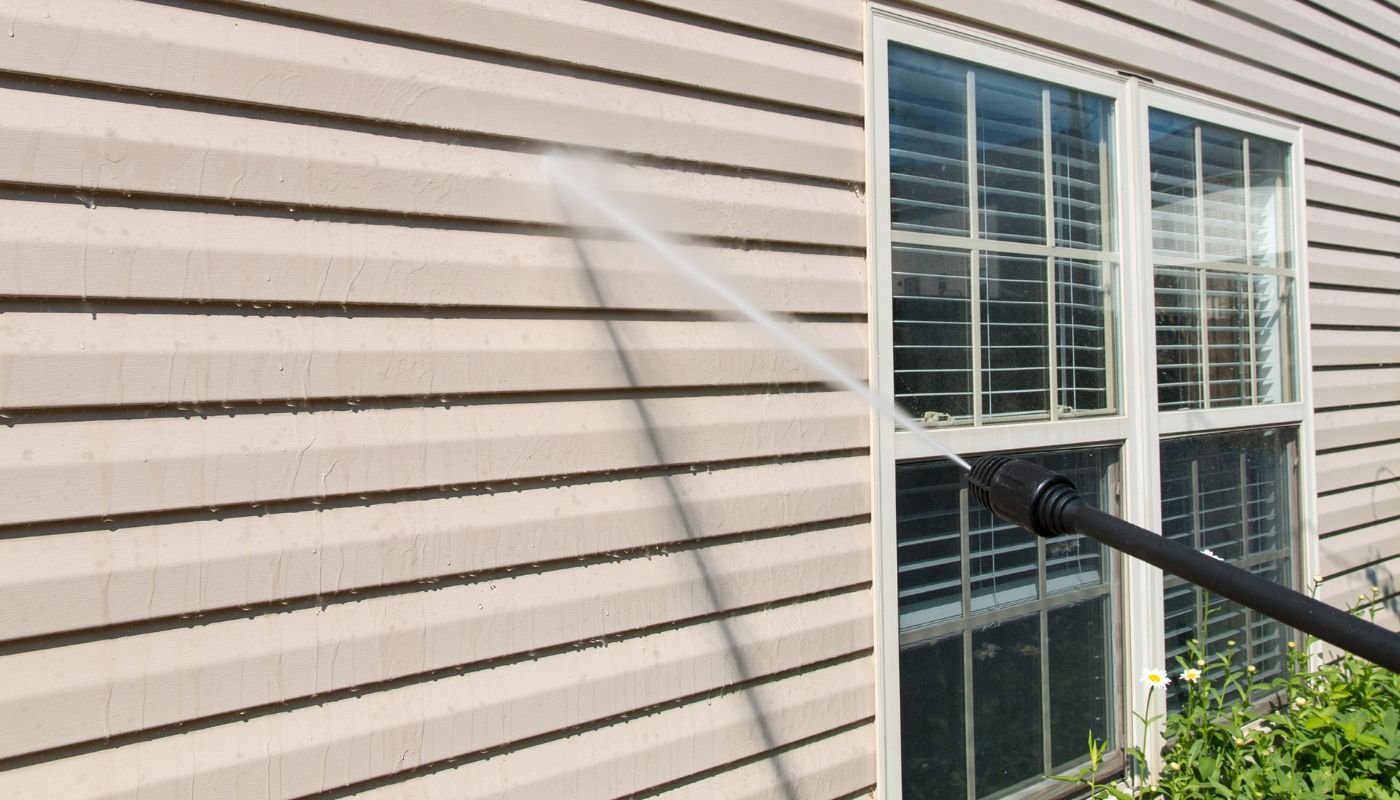
A bright, freshly painted exterior improves curb appeal — but clean surfaces are the silent workhorse that keep that paint looking good and lasting longer. Power washing is more than a cosmetic upgrade: when done correctly, it removes the grime and biological growth that break paint adhesion, exposes hidden damage early, and sets the stage for repairs and repainting that stretch your investment farther. This guide explains why pressure- and soft-washing matter, how they protect paint, best practices for Stillwater homeowners, and a real-world case study showing results.

Why paint fails — common culprits you can prevent

Before we talk about washing, it helps to know what actually damages paint. The main enemies are:

  • Surface contaminants: dust, pollen, soot and road grime create a dirty film that reduces adhesion.
  • Biological growth: algae, mildew and mold feed on dirt and sugars; they stain and create moisture pockets that lift paint.
  • Chalk and oxidation: sun and weather break down the paint binder and leave a chalky residue that new coatings can’t grip.
  • Trapped moisture: clogged gutters, siding gaps, and unventilated areas let water linger against paint, accelerating rot and blistering.
  • Environmental deposits: salt (in some areas), mineral deposits or airborne chemicals can chemically attack coatings.

Left unchecked, these issues force earlier repainting, cause flaking, and can lead to expensive substrate repairs. Power washing interrupts the process — it removes the problem before paint loses its bite.

What power washing actually does for paint longevity

Power washing does several things that matter to the lifespan of exterior paint:

  1. It restores adhesion. Paint bonds to a clean surface. By blasting away dirt, chalk, and oils, power washing lets primers and topcoats adhere as intended.
  2. It removes biological growth. Algae and mildew not only stain but hold moisture against paint and wood. Eliminating them reduces moisture-related damage.
  3. It exposes hidden issues. When grime is stripped away, contractors can spot rotten trim, failing caulk, or cracked masonry sooner — problems that would otherwise undermine any new paint.
  4. It evens the substrate. Areas with heavy soiling or weathering that are not cleaned will show through new paint. Washing creates a uniform surface so color and sheen are consistent.
  5. It improves prep efficiency. Cleaning before sanding or priming reduces the labor needed later and lowers the chance of rework.

Think of power washing as preventive maintenance: the small cost today prevents big repairs and repaint jobs tomorrow.

Soft-wash vs. high-pressure washing — which is right for your home?

Not all “power washing” is the same. Two common approaches are soft-wash and high-pressure washing. Each has a place.

  • Soft-wash uses low pressure and detergents/biocides to gently clean siding, soffits, and delicate materials. It’s excellent for removing mildew, algae, and pollen without risking damage to shingles, stucco, or older wood. Soft-wash is often the preferred choice for painted surfaces because it cleans effectively without forcing water under siding or into seams.
  • High-pressure washing uses greater force and is useful for removing heavy grime, peeling paint, and stubborn stains on brick, concrete, and very soiled surfaces. It can damage wood or force water into joints if not used skillfully.

For most painted exteriors, especially older or wood-sided houses common in Stillwater, a trusted professional will recommend soft-wash methods first and reserve higher pressures for limited, controlled areas.

When to power wash: timing and frequency

How often you need a professional power washing service depends on local conditions and materials. Consider these general rules:

  • Mild climates with little biological growth: wash every 2–3 years.
  • Humid, pollen-heavy climates, or homes shaded by trees (common in parts of Stillwater): annual or biennial washing may be warranted.
  • Before repainting: always power wash as part of the prep — do it a few days before painting so the substrate fully dries.
  • After storms or long pollen seasons: an extra cleaning can prevent staining and mold colonization.

If you’re unsure, inspect vulnerable areas (north-facing walls, eaves, the area near landscaping) for green or black staining or chalky residue; these are signs it’s time to call a pro.

Best practices to protect paint while power washing

Power washing helps, but poor technique can cause harm. Follow these best practices:

  • Use chemical cleaners judiciously. Biocide detergents remove mold and mildew, but they must be rinsed and used per manufacturer guidelines to protect vegetation and water runoff.
  • Avoid excessive pressure on painted wood, thin siding, and older trim. High PSI can strip paint and force water behind surfaces.
  • Start low and test. Professionals always start with a low-pressure test in an inconspicuous spot to confirm the method is safe.
  • Address loose paint first. If existing paint is severely flaking, a contractor should remove loose material prior to washing and take care not to spread contaminants.
  • Rinse thoroughly and let surfaces dry before painting. Residual detergent or trapped moisture will interfere with primers and topcoats.
  • Protect landscaping and outdoor electrical fixtures. Cover plants and seal outlets as needed.

A trusted Power Washing Service In Stillwater, OK will follow these standards and be transparent about products and pressures used.

Environmental and safety considerations

Responsible companies manage runoff and safety. They use biodegradable cleaners where possible, employ containment methods to reduce sediment flow into storm drains, and follow local regulations for wastewater. They also carry insurance and use fall protection when working on ladders or roofs. Ask any contractor for their safety and environmental protocols before hiring.

How power washing fits into a longer maintenance plan

Power washing is one step in a durable paint program. A recommended lifecycle looks like this:

  1. Annual inspection: spot-check for mildew, clogged gutters, or caulk failure.
  2. Clean (power wash) as needed — often annually in humid climates.
  3. Repair and caulk any gaps exposed after cleaning.
  4. Prime problem areas and touch up paint.
  5. Plan full repaint every 5–10 years depending on siding, exposure, and paint quality.

This routine preserves paint adhesion and prevents small problems from becoming costly repairs.

Real-world case study — Stillwater bungalow saved by timely cleaning

The Wells family of Stillwater noticed dark green stripes forming on the north side of their bungalow — mainly in shaded areas where trees hung over the eaves. They called Mancini Custom Painting for an evaluation.

What the crew found: heavy pollen build-up and early-stage algae growth. The homeowners had been planning a full repaint in two years but wanted to know if cleaning now would help.

Action taken:

  • Mancini performed a soft-wash using a low-pressure system with a biodegradable mildew cleaner, rinsed carefully, and protected nearby landscaping.
  • After drying, the crew re-inspected and repaired small areas of failing caulk and replaced two short sections of rotted trim.
  • The Wells family postponed the full repaint because the cleaning restored uniform appearance and the repairs addressed hidden damage.

Results:

  • Immediate visual improvement: the house looked refreshed without repainting.
  • Material savings: postponing the repaint for three years saved the family an estimated 25–35% on materials and labor that would have been needed had the substrate deteriorated.
  • Long-term benefit: removing biological growth reduced moisture retention against siding and delayed the spread of decay, extending the likely life of the current paint by several seasons.

This example shows how a relatively small investment in professional cleaning and minor repairs can delay a full repaint and protect the structure.

Hiring a Power Washing Service In Stillwater, OK — what to ask

When you contact a company, get clear answers to these questions:

  • Do you use soft-wash methods for painted surfaces?
  • What cleaning solutions do you use, and are they plant-safe?
  • How do you protect landscaping, screens, and electrical fixtures?
  • Can you provide proof of insurance and references from local customers?
  • Will you inspect and report any damaged trim, failed caulk, or areas needing repair?
  • Do you offer a follow-up inspection after a heavy pollen or storm season?

A reliable, top-rated contractor will be happy to walk you through their process and provide a written scope.

Cost considerations — value, not just price

Power washing prices vary by house size, complexity, and the cleaning methods required. While cost matters, focus on value: a thorough, safe cleaning that uncovers needed repairs and preserves paint payoff will save money over time. Cheap “drive-by” cleanings that use excessive pressure or poor containment can damage siding or cause costly water intrusion.

Final thoughts

Power washing is more than a cosmetic service — it’s preventive maintenance that protects paint adhesion, uncovers hidden problems, and helps you get more seasons from each repaint. For Stillwater homeowners dealing with pollen, shade, and occasional humidity, scheduling a professional Power Washing Service In Stillwater, OK at the right interval is one of the smartest investments you can make to preserve curb appeal and reduce long-term maintenance costs. If you’re planning a repaint, start with cleaning: it will save time, money, and ensure the new finish performs as expected.

Modern Accent Wall Toronto and Painting Vaughan Guide

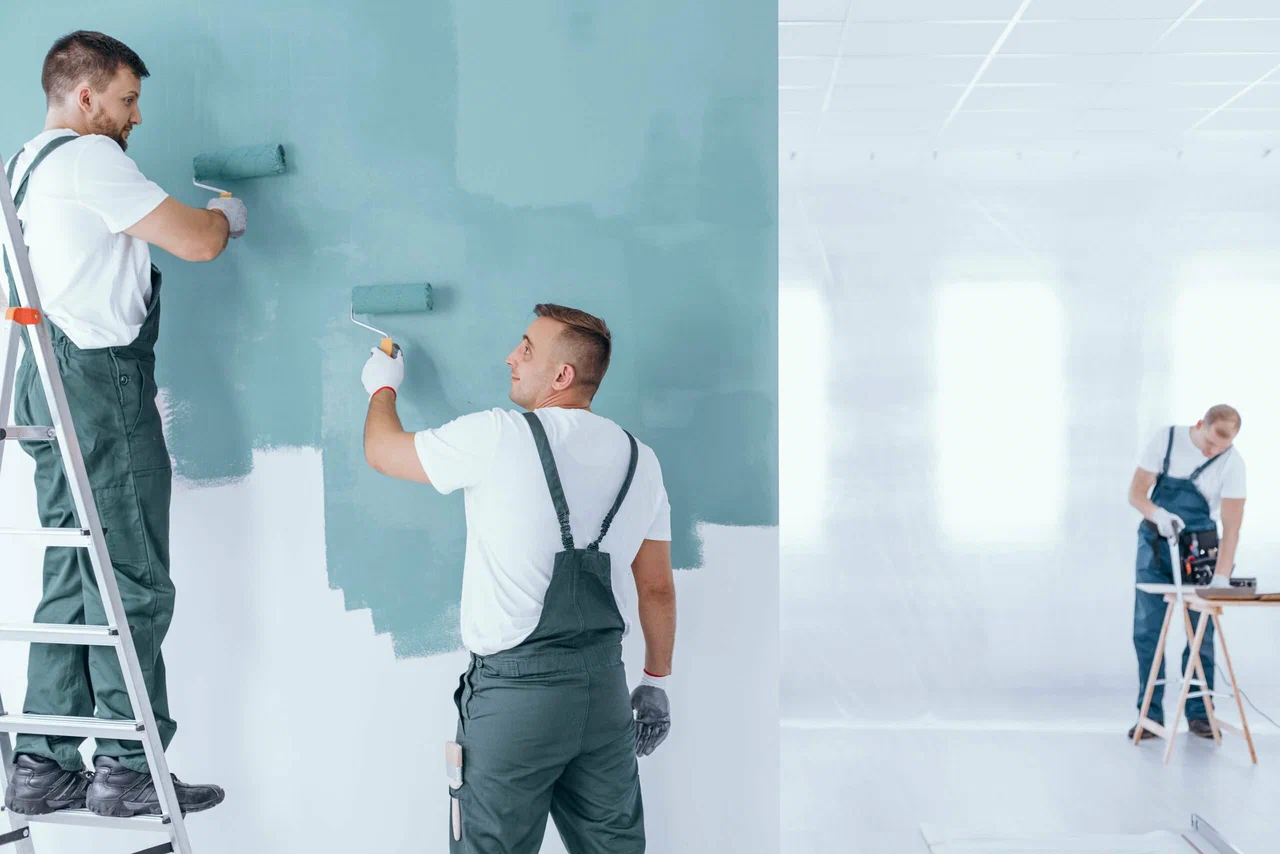
Updating your home with a modern accent wall or a fresh coat of paint can instantly revitalize your living space. In urban centers like Toronto and fast-growing suburbs like Vaughan, these simple yet impactful updates are among the top choices for homeowners aiming to enhance both aesthetic appeal and property value. This guide walks you through everything you need to know about designing a modern accent wall in Toronto and choosing the best approach to painting Vaughan homes.

What is a Modern Accent Wall?

A modern accent wall is a strategic design feature where one wall in a room stands out in color, texture, or material. It draws attention, sets a tone, and adds depth and character to the room without overwhelming it. Unlike traditional accent walls that focused mainly on bold color, modern versions incorporate geometric patterns, wood panels, metallic finishes, and even 3D wall tiles.

In Toronto, where home design often embraces a blend of minimalist and eclectic styles, modern accent walls have become a popular choice in condos, townhomes, and luxury properties alike.

Choosing the Right Wall for Accenting

To maximize the impact of your accent wall, choose a location that naturally draws attention or defines a zone in an open layout. Common placements include:

  • Behind the headboard in a bedroom
  • The wall where the TV or fireplace sits in a living room
  • In entryways to create a dramatic first impression
  • Behind a dining table for a bold and stylish look

Especially in Toronto condos, where space is at a premium, an accent wall can help visually separate living and dining areas without physical dividers.

Popular Modern Accent Wall Styles in Toronto

Wood Slat Designs

Wood slats arranged vertically or horizontally provide a clean, Scandinavian-inspired look that adds texture and warmth. They work well with neutral tones and are often stained in walnut, oak, or ebony finishes.

Painted Geometric Patterns

Toronto homeowners are embracing custom geometric shapes using bold, modern colors. These designs are achieved with painter’s tape and a steady hand, offering a high-end look at a modest cost.

Textured Concrete and Stone

For a modern industrial edge, textured concrete or faux stone finishes create depth and visual interest, especially in loft-style apartments or modern living rooms.

Wallpaper with Modern Motifs

High-end wallpaper featuring abstract patterns, metallic lines, or nature-inspired elements is making a strong comeback in Toronto’s interior design scene.

Murals and Artistic Features

In creative neighborhoods like West Queen West or the Junction, custom wall murals—whether painted or printed—serve as functional art pieces.

Painting Vaughan Homes: Key Trends and Techniques

Painting remains one of the most accessible and transformative updates for homeowners in Vaughan. Whether you’re refreshing your existing color palette or trying a completely new style, professional painting Vaughan services focus on durability, aesthetic harmony, and eco-conscious materials.

Trending Colors in Vaughan

  • Soft Neutrals like warm whites and muted greys remain top choices for open-concept layouts.
  • Earthy Tones such as olive, sand, and clay offer a cozy, natural vibe.
  • Bold Accent Colors like charcoal, forest green, or sapphire blue are used in smaller doses for feature walls and interior doors.

Feature Ceilings and Accent Trims

Rather than sticking with white ceilings and baseboards, homeowners in Vaughan are experimenting with soft contrasts—beige ceilings, grey trims, or even color-matched baseboards to unify the design.

Matte and Washable Finishes

High-traffic family homes often go for matte or eggshell finishes that are easy to clean yet maintain a sophisticated, modern look.

Eco-Friendly Paint Options

Low-VOC and non-toxic paints are preferred, especially in children’s rooms or homes with allergy concerns. Vaughan residents are increasingly prioritizing indoor air quality along with beautiful design.

Why Hire a Professional Painter

Both modern accent walls in Toronto and full-home painting in Vaughan benefit significantly from professional expertise. Here’s why:

  • Precision: Professionals create crisp edges, perfect finishes, and uniform coverage, which is crucial for accent wall patterns or dark shades.
  • Surface Preparation: Before any painting begins, walls must be cleaned, patched, sanded, and sometimes primed. Pros do this efficiently.
  • Time-Saving: What might take a DIYer several weekends can be finished in days with a professional crew.
  • Color Advice: Many painters work with color consultants to help clients choose shades that match their lighting, décor, and room function.

How to Plan a Wall Update Project

Whether you’re designing a bold accent wall or updating a room’s palette, a bit of planning goes a long way. Follow these tips:

  1. Start with Inspiration: Use Pinterest, Instagram, or design magazines to gather ideas.
  2. Measure Carefully: If using wood, wallpaper, or geometric paint, precision is key.
  3. Test Paint Colors: Apply sample patches on multiple walls and observe them in morning and evening light.
  4. Prep the Space: Move furniture, protect flooring, and clean surfaces before any paint or material is applied.
  5. Create a Mood Board: Combine colors, materials, and furniture choices to visualize the final look before committing.

Cost Considerations

The cost of creating a modern accent wall or repainting a home in Vaughan varies depending on materials, room size, and labor. Here’s a general breakdown:

  • Accent Wall with Paint: $300–$600
  • Wood Panel Wall: $800–$2000
  • Full Room Paint (Professional): $400–$800
  • Whole Home Repaint (2,000 sq ft): $2,500–$6,000

Investing in high-quality paint and expert labor pays off in durability, better aesthetics, and higher resale value.

Combining Modern Accent Walls and Whole-Home Painting

For a cohesive, polished look, many Toronto and Vaughan homeowners choose to pair a modern accent wall with a full home paint update. Here’s how to do it successfully:

  • Use the accent wall color in smaller décor elements like cushions or rugs.
  • Stick to a consistent tone or color family throughout the house for flow.
  • Introduce texture (wood, tile, wallpaper) in one or two rooms to maintain variety without visual clutter.
Painting Vaughan

Final Thoughts

In both Toronto and Vaughan, modern design is about clean lines, personal expression, and smart updates. A modern accent wall offers an affordable yet powerful way to inject character into a room, while professional painting Vaughan services ensure a fresh, inviting atmosphere that reflects your lifestyle.

Whether you’re transforming a downtown condo or modernizing a suburban family home, these simple changes can make a big impact. Work with trusted professionals, plan your palette wisely, and don’t be afraid to bring creativity into your space. With the right design elements, your walls can do more than support your home—they can define its style.

What Mistakes to Avoid Before Starting an Exterior House Painting Project

Planning an exterior house painting project is a major decision for any homeowner. Whether you want to refresh the curb appeal of your home, protect it from the elements, or add a new layer of color, a professional paint job can significantly enhance your property’s value and appearance. However, even with the best of intentions, there are common mistakes that many homeowners make before starting this type of project. These mistakes can lead to increased costs, prolonged project timelines, and subpar results. If you’re considering exterior house painting in Alpharetta, GA, avoiding these pitfalls can help you achieve the best possible outcome and ensure that the process is smooth and stress-free.

1. Not Setting a Clear Budget and Timeline

Before you begin any exterior painting project, it’s essential to establish a clear budget and timeline. Many homeowners fail to do this, leading to cost overruns and delays. When you have a fixed budget, it helps you determine the scope of the project, the quality of materials you’ll use, and whether you’ll need to hire professionals or can manage the work yourself. Setting a realistic timeline is just as important, as it ensures the project is completed promptly without unnecessary delays. Failing to allocate enough time or budgeting incorrectly could result in rushed work or compromises on the final finish.

2. Choosing the Wrong Paint for the Job

Not all paints are created equal, and choosing the wrong type of paint can severely impact the durability and appearance of your exterior. One of the most common mistakes is opting for an interior paint for the exterior or using a paint that isn’t suitable for the specific climate conditions in your area. For example, in regions with extreme heat or humidity, you’ll need paint that is resistant to UV rays, mold, mildew, and moisture. Always choose high-quality exterior paint formulated for outdoor use. It is designed to withstand the elements and provide long-lasting protection for your home’s exterior.

3. Ignoring Surface Preparation

Proper surface preparation is one of the most critical steps in achieving a flawless finish. Many homeowners overlook the importance of preparing the surface before applying paint, which leads to peeling, cracking, or uneven coverage later on. Before painting, you should clean the exterior thoroughly to remove dirt, grime, and mildew. This step may involve pressure washing the walls and scrubbing areas where stains or mold are present. Additionally, scraping off any peeling or flaking paint and repairing damaged surfaces is essential for achieving a smooth, even application.

4. Skipping Proper Caulking and Sealing

Caulking and sealing are crucial steps in preparing your home for a new coat of paint. Gaps and cracks around windows, doors, and trim can allow moisture to seep into the walls, causing mold, mildew, and rot. Failing to seal these areas before painting can lead to future water damage and will ultimately compromise the paint job. Applying fresh caulk around your windows and doors creates a protective barrier that helps the paint adhere better and increases its longevity. It also enhances the overall aesthetic, creating crisp, clean lines around architectural features.

5. Overlooking the Weather Conditions

Weather conditions play a significant role in the success of any exterior house painting project. If the weather is too hot, too cold, or too humid, the paint may not adhere properly, dry too quickly, or take too long to cure. For example, painting in direct sunlight during the hottest part of the day can cause the paint to dry too fast, leading to streaks and an uneven finish. On the other hand, applying paint during rainy or excessively humid conditions can trap moisture in the paint, causing it to peel or blister over time. Ideally, you should plan your project for mild, dry days with temperatures between 50°F and 85°F for the best results.

6. Not Hiring Professional Help When Needed

While DIY painting projects can be rewarding, there are certain situations where hiring a professional painter is essential. Many homeowners attempt to tackle exterior house painting on their own without realizing the complexity of the job. Hiring a professional painter ensures the job is done efficiently, with high-quality materials and techniques that will yield long-lasting results. Professionals have the experience to address issues such as surface preparation, application techniques, and ensuring that the job is completed within your desired timeline. If your house is particularly large or has intricate architectural features, professional help can save you time, effort, and frustration.

7. Neglecting to Inspect the Exterior for Damage

Before starting a painting project, it’s important to inspect the exterior of your home for any signs of damage. Areas such as wood trim, siding, and gutters may have been exposed to weathering over time and could need repair or replacement before painting. If there is rot, mold, or water damage present, applying paint over these areas won’t address the underlying issue. Painting over damaged surfaces will result in an uneven finish and could lead to further deterioration. A thorough inspection helps you identify problem areas that need to be addressed, ensuring that the paint adheres properly and lasts longer.

8. Using Low-Quality Brushes and Tools

The quality of your tools can significantly affect the outcome of your exterior painting project. Using low-quality brushes, rollers, or sprayers can lead to streaky finishes, uneven coats, and excessive drips. Investing in good-quality tools that are designed for exterior painting is essential for achieving a smooth, professional-looking finish. Additionally, different tools may be needed for different areas of your home. For example, a paintbrush is often necessary for trim and smaller areas, while a roller or sprayer may be more efficient for larger wall surfaces. Always choose the right tool for the job to avoid frustration and subpar results.

9. Not Considering the Long-Term Maintenance Needs

Another mistake homeowners make is not thinking about the long-term maintenance of their painted exterior. Exterior house painting is not a one-time fix—it requires ongoing care and attention to preserve its appearance. Consider how often you will need to touch up or repaint certain areas of your home, and make sure to clean and inspect the exterior regularly. Some regions are more prone to mold and mildew growth, while others may have more exposure to dust and dirt. By factoring in long-term care, you can prolong the lifespan of your paint job and avoid the need for frequent repainting.

10. Failing to Plan for Proper Cleanup and Disposal

After completing your exterior painting project, proper cleanup and disposal of materials are often overlooked. Paint cans, brushes, and other supplies should be cleaned and stored appropriately to prevent any messes or accidents. Additionally, leftover paint should be disposed of according to local regulations. Some paints contain chemicals that can be harmful to the environment if not disposed of properly. By planning for cleanup ahead of time, you can ensure that your project finishes without any lingering issues.

Conclusion

Successfully completing an exterior house painting project requires careful planning and attention to detail. By avoiding the common mistakes mentioned above, you can ensure that your home gets the perfect paint job it deserves. From preparing the surface to selecting the right paint and tools, every step plays a role in achieving a flawless finish. Whether you choose to take on the project yourself or hire professionals for exterior house painting the result will be a home that looks beautiful, is better protected, and adds lasting value to your property.

Best Tips on Right Color Scheme for Your Home’s Exterior

Why Your Exterior Paint Color Matters?

Choosing the right color scheme for your home’s exterior is more than just picking your favorite shade. The right colors can boost curb appeal, increase property value, and reflect your personal style. But with so many options, how do you decide?

If you’re looking for expert exterior painters in Pickering, the team at Brock Painting and Contracting can help you make the best choice for your home. Here are some expert tips to guide you through the process.

Best Tips for Selecting the Perfect Exterior Color Scheme

1. Consider Your Home’s Architecture

Different architectural styles look best with specific color palettes. For example:

  • Modern homes often feature neutral shades like gray, white, or black.
  • Victorian homes can handle bold color contrasts like deep reds, blues, and greens.
  • Traditional homes look great in classic shades like beige, cream, or light gray.

Matching your paint color to your home’s style creates a cohesive and timeless look.

2. Factor in the Surroundings

Your home doesn’t exist in isolation. Consider:

  • The landscape—earthy tones blend well with greenery, while coastal homes shine in light blues and sandy hues.
  • Neighborhood trends—you want a unique look without clashing with nearby homes.
  • The climate—light colors reflect heat and work well in warm areas, while darker shades add warmth in cooler climates.

3. Choose a Balanced Three-Color Palette

The best exterior color schemes use three main shades:

  • Primary color: The dominant shade for walls.
  • Accent color: Used for shutters, trim, and small architectural details.
  • Front door color: A bold or complementary shade that adds personality.

For instance, a light gray home with white trim and a navy blue front door creates an elegant and modern aesthetic.

4. Test Before You Commit

Colors can look different in natural light. Always:
Get sample swatches and apply them to different areas of your home.
Observe how they change in morning, afternoon, and evening light.
Check how they appear against existing elements like brickwork, roofing, and landscaping.

5. Work with Professional Painters

Selecting the perfect exterior paint isn’t just about color—it’s also about quality, durability, and expert application. Professional residential painters in Pickering like Brock Painting and Contracting use high-quality paints and techniques to ensure a flawless, long-lasting finish.

Why Choose Brock Painting and Contracting?

If you need reliable exterior painting in Pickering, here’s why Brock Painting and Contracting is the right choice:

Expert Consultation – Their team helps you choose the perfect color scheme for your home.
High-Quality Finishes – They use premium paints designed to withstand Canadian weather.
Skilled Residential Painters in Pickering – They ensure smooth, professional results every time.
Affordable and Transparent Pricing – No hidden fees, just top-tier service.

Did You Know?

  • Exterior painting can boost your home’s value by up to 5%.
  • 60% of home buyers say that exterior color plays a role in their purchasing decision.
  • Lighter shades make homes appear larger, while darker colors create a bold and dramatic effect.

Final Thoughts

Choosing the perfect exterior color scheme can transform your home’s appearance and increase its value. By following these tips and working with trusted exterior painters in Pickering, you can achieve a stylish, durable, and professional finish.

If you’re ready to refresh your home’s exterior, contact Brock Painting and Contracting today! Get expert guidance and a flawless paint job from the best residential painters in Pickering.

Book a consultation now!