https://fuelpumpexpress.com

The Role of Recycled Materials in Modern Driveway Construction

Sustainable construction is becoming a priority for homeowners and developers. Traditional driveway materials, such as concrete and asphalt, require large amounts of natural resources and contribute to environmental degradation. By using recycled materials, modern driveways can reduce waste, lower costs, and create a more sustainable future. This approach not only benefits the environment but also enhances driveway durability and aesthetics.

Why Use Recycled Materials in Driveways?

Recycled driveway materials offer a practical solution to the growing demand for eco-friendly construction. These materials provide the same strength and longevity as traditional options while minimizing environmental impact.

1. Environmental Benefits

  • Reduces landfill waste by repurposing old materials
  • Lowers carbon emissions associated with new material production
  • Decreases reliance on natural resources like sand, gravel, and limestone

2. Cost-Effective Solution

Recycled materials often cost less than newly sourced materials. They provide an affordable alternative without compromising quality. Homeowners and contractors can save money while promoting sustainability.

3. Durable and Long-Lasting

Modern recycling processes refine materials to ensure they meet high-quality standards. Recycled driveways resist cracking, weather damage, and heavy traffic, making them a long-term investment.

Types of Recycled Materials for Driveways

Several recycled materials are used in driveway construction. Each option offers unique benefits, making it easier for homeowners to choose a solution that fits their needs.

1. Recycled Asphalt

Reclaimed asphalt pavement (RAP) is a popular choice for driveway projects. Old asphalt is crushed and reused to create a sturdy surface. It retains its flexibility, reducing the risk of cracking and potholes.

2. Crushed Concrete

Recycled concrete is made by crushing old concrete slabs, sidewalks, or roads. It provides a strong base for driveways and improves drainage. Crushed concrete driveways are affordable and offer excellent durability.

3. Recycled Brick and Pavers

Bricks and pavers from demolished buildings can be repurposed into decorative driveways. These materials add a unique, rustic appearance while supporting sustainable construction efforts.

4. Rubber Driveways

Recycled rubber from old tires is used to create flexible, slip-resistant driveways. This material is ideal for reducing noise and preventing cracks caused by temperature changes.

5. Gravel Made from Recycled Materials

Crushed recycled glass, ceramic, or other aggregates can be used as gravel for driveways. These materials enhance drainage and add a distinctive look to outdoor spaces.

How Recycled Driveways Improve Sustainability

Using recycled materials in driveway construction directly contributes to sustainability in multiple ways:

1. Reducing Waste in Landfills

Old concrete, asphalt, and other building materials take up significant space in landfills. By reusing them in driveways, waste is minimized, and landfill capacities are preserved.

2. Lowering Energy Consumption

Producing new construction materials requires energy-intensive processes. Recycling reduces energy use by repurposing existing materials instead of manufacturing new ones from scratch.

3. Supporting Green Building Standards

Many homeowners and businesses aim to meet green building certifications. Using recycled materials in driveways helps achieve LEED (Leadership in Energy and Environmental Design) credits and other sustainability benchmarks.

Installation and Maintenance of Recycled Driveways

1. Proper Installation Techniques

Recycled material driveways require professional installation to ensure durability and functionality. Proper grading and compacting prevent shifting and water pooling.

2. Regular Maintenance for Longevity

  • Sealcoating recycled asphalt to extend its lifespan
  • Periodically adding fresh layers of crushed concrete or gravel
  • Keeping rubber driveways clean to maintain appearance and texture

Final Thoughts

Recycled materials are transforming modern driveway construction. They offer cost savings, environmental benefits, and durability, making them an excellent alternative to traditional options. By choosing sustainable solutions, homeowners contribute to waste reduction and resource conservation while enjoying a strong, long-lasting driveway.

For expert driveway services Shepparton, contact our team today. We provide high-quality solutions for sustainable construction that enhance curb appeal while protecting the environment.
The Ultimate Guide to Rebar Detailing Services | Expert Tips

Introduction

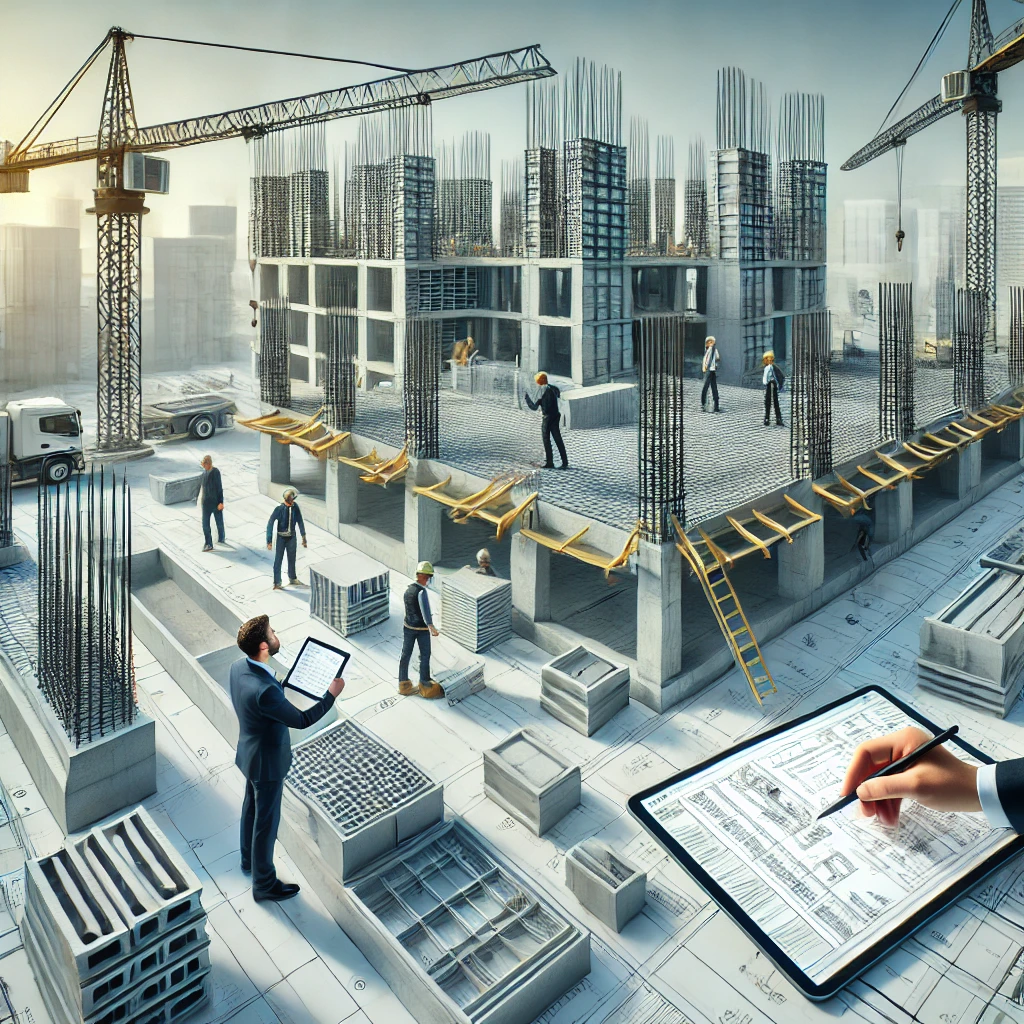
Rebar detailing is a crucial component of structural engineering that ensures reinforced concrete structures are built with precision, efficiency, and durability. Whether you’re a contractor, engineer, or construction firm, investing in professional rebar detailing services can significantly impact the success of your projects.

In this comprehensive guide, we’ll explore the benefits of rebar detailing, the step-by-step process, and key factors to consider when selecting a rebar detailing service provider.

What is Rebar Detailing?

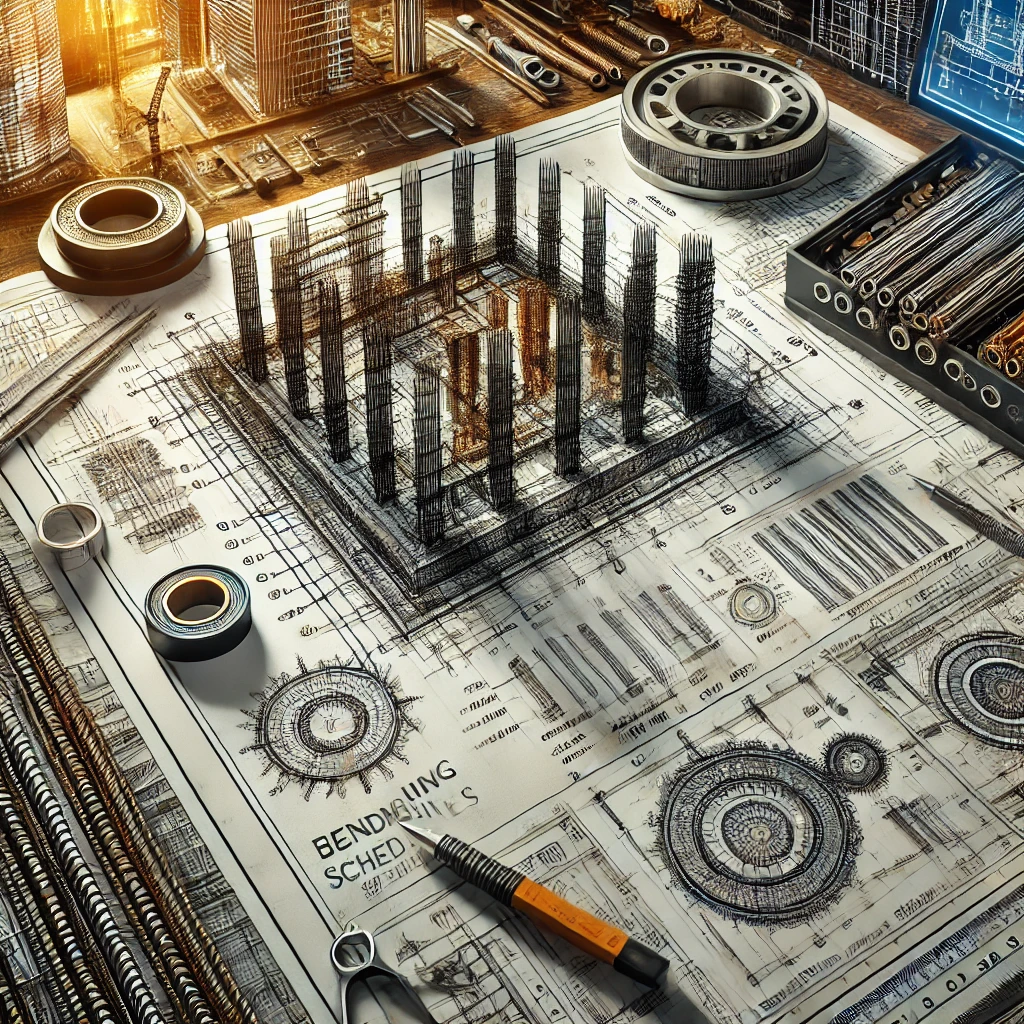
Rebar detailing involves creating detailed drawings, bar bending schedules (BBS), and material lists that guide the fabrication and placement of reinforcing steel bars (rebars) in construction projects. It ensures compliance with design standards, enhances structural integrity, and optimizes material usage.

Rebar detailers use specialized software like Tekla Structures, AutoCAD, and Revit to generate precise 2D and 3D models for seamless execution on-site.

Benefits of Professional Rebar Detailing Services

1. Improved Accuracy & Error Reduction

Rebar detailing minimizes errors in rebar placement, ensuring the structure’s integrity and reducing costly on-site corrections.

2. Time and Cost Efficiency

Accurate detailing optimizes material usage, reduces waste, and accelerates the construction process by providing clear instructions to fabricators and contractors.

3. Enhanced Structural Integrity

With precise rebar detailing, structures gain superior strength and durability, meeting industry standards and safety regulations.

4. Seamless Coordination

Rebar detailing fosters collaboration among architects, engineers, and construction teams, preventing miscommunication and project delays.

5. Compliance with International Standards

Professional detailers adhere to codes such as ACI, BS, IS, and ASTM, ensuring project quality and safety.

The Rebar Detailing Process: Step-by-Step

Step 1: Collecting Project Data

  • Gather architectural and structural drawings
  • Identify design requirements and project specifications

Step 2: Modeling & Drawing Preparation

  • Develop 2D/3D models using software like Tekla, AutoCAD, or Revit
  • Generate rebar bending schedules (BBS) and shop drawings

Step 3: Clash Detection & Error Checks

  • Use software tools to detect conflicts and rectify design errors before fabrication
  • Ensure reinforcement placement aligns with structural plans

Step 4: Approval & Revisions

  • Submit drawings for review and approval by structural engineers
  • Make necessary revisions based on feedback

Step 5: Fabrication & Installation Guidance

  • Provide accurate detailing documents for seamless fabrication
  • Assist contractors with rebar placement and field modifications

How to Choose the Right Rebar Detailing Service Provider

Selecting a reliable rebar detailing partner is critical for project success. Here are key factors to consider:

1. Experience & Expertise

Look for a provider with a proven track record in rebar detailing for various project types, including residential, commercial, and industrial structures.

2. Use of Advanced Software

Ensure the company employs cutting-edge software like Tekla, Revit, or AutoCAD for precise and efficient detailing.

3. Compliance with Industry Standards

Verify that the service provider follows ACI, BS, IS, and ASTM codes to ensure quality and safety.

4. Turnaround Time & Scalability

Choose a firm that delivers accurate detailing within project timelines and can scale services based on workload demands.

5. Cost-Effectiveness

Compare pricing structures to ensure you receive value for money without compromising quality.

6. Client Reviews & References

Check client testimonials and past projects to gauge the reliability and quality of service.

Conclusion

Rebar detailing is a fundamental aspect of construction that directly impacts structural integrity, efficiency, and cost-effectiveness. By partnering with a skilled and experienced rebar detailing service provider, you can ensure seamless execution, compliance with industry standards, and successful project completion.

If you’re looking for expert Rebar Detailing Services, our team specializes in delivering precise, high-quality detailing solutions tailored to your project needs. Contact us today to streamline your construction workflow and maximize efficiency!

Learn about Commercial & Residential Construction Services: Understanding the Differences and Benefits

Precast Detailing Services: Accurate, Efficient & Cost-Effective

Introduction

Precast detailing is a critical component in modern construction, ensuring accuracy, efficiency, and durability in precast concrete structures. As the demand for faster and cost-effective building solutions grows, precast detailing services have become indispensable for architects, engineers, and contractors worldwide.

In this guide, we’ll cover everything you need to know about precast detailing services, including best practices, software, industry standards, and how to choose the right service provider.

1. What is Precast Detailing?

Precast detailing involves creating detailed 2D drawings and 3D models for precast concrete components, such as beams, columns, slabs, panels, and walls. These detailed drawings ensure precise fabrication, transportation, and installation on-site.

💡 Key Benefits of Precast Detailing:
✅ Reduces material waste
✅ Improves construction speed
✅ Ensures structural accuracy
✅ Reduces errors and rework

2. Key Components of Precast Detailing Services

a) Shop Drawings

Shop drawings are essential for fabrication and assembly, providing dimensions, reinforcement details, and connection specifications.

b) Bar Bending Schedules (BBS)

BBS provides detailed reinforcement information, ensuring proper steel cutting, bending, and placement.

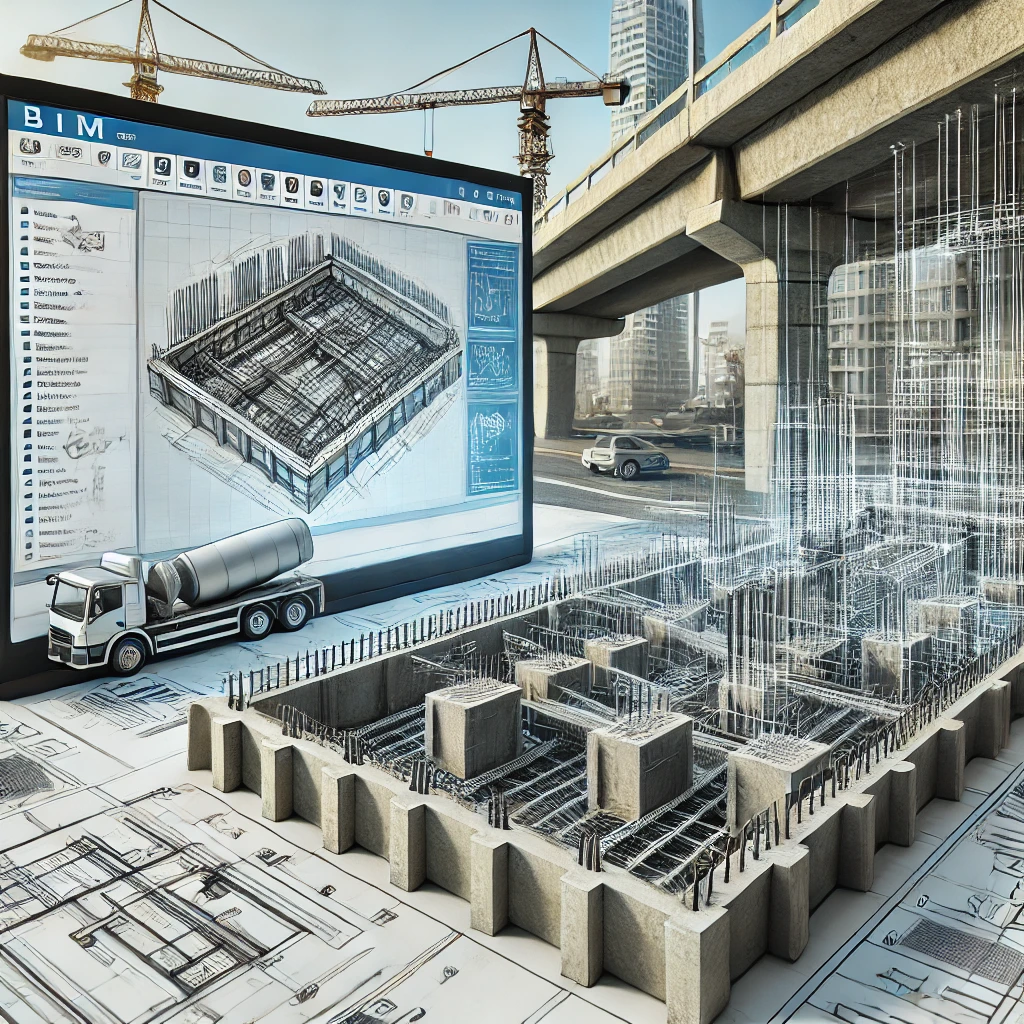
c) 3D Modeling & BIM Integration

With Building Information Modeling (BIM), precast detailing enables clash detection, material estimation, and seamless coordination among different trades.

d) Connection Details

Precast structures require precise connection details, ensuring stability, seismic resistance, and durability.

3. Best Software for Precast Detailing

Modern precast detailing relies on advanced software to enhance accuracy and efficiency. Some of the best tools include:

SoftwareFeaturesBest For
Tekla Structures3D modeling, automated reinforcement detailingComplex precast structures
AutoCAD2D drafting, standard detailingSimple precast elements
RevitBIM integration, parametric modelingLarge-scale projects
StruCADSteel and precast detailingStructural steel integration

4. Industry Standards & Compliance

Precast detailing services must adhere to various international codes and standards to ensure quality and safety. Some key standards include:

📌 ACI 318 – American Concrete Institute’s guidelines for structural integrity
📌 BS 8110 – British Standard for structural concrete
📌 IS 456:2000 – Indian Standard for concrete structures
📌 PCI Design Handbook – Precast/Prestressed Concrete Institute standards

Understanding and complying with these standards is essential to delivering high-quality precast detailing services.

5. How to Choose the Right Precast Detailing Service Provider?

Selecting the right precast detailing expert can make or break a project. Here are some factors to consider:

Experience & Portfolio

Look for firms with a proven track record in handling precast detailing for complex projects.

Software Proficiency

Ensure they use industry-leading software like Tekla, Revit, or AutoCAD for precise detailing.

Adherence to Standards

They must comply with international and local building codes to ensure quality.

Cost & Turnaround Time

Compare pricing and timelines to ensure you get high-quality detailing services within your budget.

6. Why Outsource Precast Detailing Services?

Many companies outsource precast detailing to specialized service providers due to the following benefits:

🔹 Cost Savings – Avoid hiring in-house detailing teams and reduce overhead costs
🔹 Access to Experts – Work with highly skilled professionals specializing in precast detailing
🔹 Faster Turnaround – Dedicated teams ensure faster project delivery
🔹 Focus on Core Business – Engineers and contractors can focus on execution rather than detailing

7. Future Trends in Precast Detailing

🚀 AI & Automation in Precast Detailing – AI-driven automated detailing tools are reducing errors and increasing efficiency.
🏗 Digital Twin Technology – Real-time BIM-integrated digital twins are improving project management.
🌍 Sustainable Precast Materials – The rise of eco-friendly precast solutions is transforming the industry.

Staying updated with these trends ensures optimized workflows and competitive advantage.

Final Thoughts

Precast detailing services play a crucial role in modern construction, ensuring efficiency, accuracy, and cost savings. Whether you are an architect, engineer, or contractor, adopting best practices, using the right software, and working with experienced professionals can make a significant difference in project success.

Are you looking for expert precast detailing services? Get in touch with a trusted precast detailing provider to bring precision and efficiency to your next project!

Learn about Commercial & Residential Construction Services: Understanding the Differences and Benefits

CAD & BIM Services: Transforming Architecture & Engineering

Key Takeaways

  • CAD & BIM services streamline design processes in architecture, engineering, and construction (AEC).
  • BIM (Building Information Modeling) offers 3D visualization, clash detection, and enhanced collaboration.
  • Companies using CAD & BIM services see reduced project costs, improved accuracy, and faster execution.
  • Integrating CAD & BIM with AI and cloud technology is shaping the future of design.

What Are CAD & BIM Services?

CAD (Computer-Aided Design) and BIM (Building Information Modeling) are essential tools for modern architects, engineers, and construction professionals.

  • CAD creates precise 2D and 3D models for architectural plans, mechanical parts, and electrical systems.
  • BIM goes beyond CAD by offering intelligent 3D models with real-world data, enabling real-time collaboration and improved decision-making.

Why CAD & BIM Services Are Essential for AEC Professionals

1. Improved Design Accuracy

  • 2D & 3D modeling precision eliminates design errors.
  • Reduces misinterpretations in blueprints.

2. Enhanced Collaboration & Coordination

  • BIM allows real-time updates across project teams.
  • Cloud integration enables seamless sharing between architects, engineers, and contractors.

3. Cost & Time Efficiency

  • Reduces rework and material waste.
  • Speeds up project timelines through automated workflows.

4. Clash Detection & Risk Mitigation

  • Detects conflicts between architectural, mechanical, and electrical components.
  • Prevents costly errors before construction begins.

Industries Benefiting from CAD & BIM Services

🏗️ Architecture & Construction

  • 3D visualization helps in client approvals.
  • BIM optimizes structural integrity and compliance with building codes.

🔧 Mechanical & Electrical Engineering

  • CAD is used for precise component design.
  • BIM assists in integrating mechanical, electrical, and plumbing (MEP) systems.

🏬 Real Estate Development

  • Enhances property design and energy efficiency.
  • Improves project planning and cost estimation.

How CAD & BIM Services Improve Sustainability

♻️ Energy Efficiency & Green Building

  • BIM helps design eco-friendly, energy-efficient buildings.
  • Carbon footprint analysis for sustainable construction.

🌱 Smart Material Selection

  • Reduces waste by optimizing material usage.
  • Facilitates life-cycle assessment for long-term sustainability.

🌍 Integration with Smart Cities & IoT

  • BIM models help in urban planning and infrastructure development.
  • Enables IoT integration for automated building management systems.

The Future of CAD & BIM Services

🚀 AI-Powered Design Automation

  • Machine learning optimizes structural integrity and material selection.
  • AI assists in automated 3D model generation.

☁️ Cloud-Based Collaboration

  • Teams can work remotely and in real-time.
  • Improved version control and accessibility.

🛠️ AR/VR Integration for Immersive Design

  • Virtual Reality (VR) provides real-time walkthroughs of projects.
  • Augmented Reality (AR) overlays BIM data onto real-world construction sites.

FAQs About CAD & BIM Services

What is the difference between CAD and BIM?

CAD focuses on 2D/3D drawing and drafting, while BIM offers intelligent 3D models with real-world data, improving collaboration and project coordination.

Why are CAD & BIM services crucial for architects and engineers?

They enhance accuracy, reduce errors, and improve collaboration, making construction projects faster, cost-effective, and sustainable.

How does BIM help in cost savings?

BIM detects clashes before construction, reducing material waste, delays, and costly revisions.

Are CAD & BIM services useful for small businesses?

Yes! Small firms benefit from cost-effective design solutions and cloud-based collaboration tools.

Final Thoughts: Elevate Your Projects with CAD & BIM Services

Adopting CAD & BIM services can revolutionize your design process, boost efficiency, and drive sustainable innovation in the AEC industry.

Learn about Commercial & Residential Construction Services: Understanding the Differences and Benefits

Global Steel Pricing Trends & Market Insights (2025)

The global steel market is constantly evolving, influenced by economic shifts, geopolitical tensions, and regional supply-demand imbalances. Staying ahead of these changes isn’t just important—it’s essential. Whether you’re a steel fabricator, contractor, or procurement specialist, understanding pricing trends can help you:

  • Optimize purchasing decisions and reduce costs.
  • Forecast market fluctuations for better long-term planning.
  • Stay competitive in an ever-changing industry.

This guide will give you a comprehensive breakdown of global steel pricing trends as of January 2025.

Global Steel Pricing Comparison (January 2025)

The table below provides an overview of current steel prices across key markets:

CountryFlat Steel Price (USD/MT)HRB Price (USD/tonne)
China1,858448
Germany3,1250
US3,479839
World Export0486

Key Takeaways:

  • China: The most cost-effective market for flat steel but facing weak global demand.
  • Germany: Prices are high due to economic slowdowns and regulatory factors.
  • US: The highest pricing globally, driven by strong domestic demand and inventory control.

In-Depth Market Analysis

1. Asia: The Balancing Act

Market Trends

  • India maintains stability with balanced supply and demand.
  • China faces weak export opportunities and declining global demand.

Pricing

  • In December 2023, China’s flat steel prices stood at 1,858 USD/MT.

2. Europe: A Market Under Pressure

Market Trends

  • Economic downturn and geopolitical tensions impact steel demand.
  • Construction and manufacturing slowdowns lower consumption rates.

Pricing

  • Germany’s flat steel prices peaked at 3,125 USD/MT by December 2023.

3. North America: The Demand Surge

Market Trends

  • The US market hit a peak in Q2 2024, with the Hot-Rolled Coil Index reaching 1,500 USD/st.
  • By late 2023, US flat steel prices stood at 3,479 USD/MT.

Global Benchmarks

  • World Export HRB Price: ~486 USD/tonne
  • US HRB Price: ~839 USD/tonne
  • China HRB Price: ~448 USD/tonne

Factors Influencing Steel Prices

The steel market doesn’t operate in a vacuum—multiple forces shape pricing. Key factors include:

1. Supply and Demand Imbalances

  • Overproduction in one region can drive global prices down, while shortages lead to price spikes.

2. Geopolitical Tensions

  • Trade wars, sanctions, and international conflicts can disrupt supply chains.

3. Economic Conditions

  • Global recessions decrease steel demand, while economic growth increases consumption.

4. Regulatory Changes

  • New environmental laws and emissions regulations impact production costs and pricing.

Future Outlook: What to Expect in 2025

The steel industry is expected to experience continued volatility. Key trends to monitor include:

  • Global Economic Recovery: Steel demand will rise if economies stabilize post-pandemic disruptions.
  • Supply Chain Shifts: Political and economic events may cause sourcing and production realignments.
  • Regulatory Policies: Potential new emissions standards could increase production costs.

Conclusion

Understanding Global Steel Pricing Trends isn’t just about tracking numbers—it’s about making informed decisions. Whether you’re a contractor, designer, or supplier, knowing market movements helps you:

✅ Reduce project costs ✅ Anticipate price shifts ✅ Stay competitive

By leveraging real-time data and insights, you can navigate market uncertainties and gain a strategic advantage in 2025 and beyond. Stay ahead, stay informed, and make smarter decisions with up-to-date steel pricing trends.

Learn about The Importance of Reinforced Concrete Footings in Construction A Strong Foundation for Your Building

2025 Precast Concrete Detailing Trends & Innovations

Introduction

Precast concrete has long been a vital component of modern construction, but in 2025, it’s poised to become even more essential. With growing industry challenges—such as tighter project timelines, rising material costs, and increased sustainability demands—contractors must embrace the latest innovations to maintain a competitive edge.

Precast concrete detailing plays a critical role in enhancing efficiency, cutting costs, and improving overall project quality. By staying ahead of key trends, contractors can bridge the gap between design and construction, ensuring flawless execution on every project.

Key Industry Drivers Shaping Precast Concrete in 2025

The precast concrete sector is evolving rapidly due to several crucial factors:

  1. Economic Pressures: Labor shortages and inflation drive the need for faster, more cost-effective construction methods.
  2. Sustainability Regulations: Green building certifications and stricter environmental mandates make eco-friendly practices essential.
  3. Technological Advancements: AI, automation, and digital twins are revolutionizing precast detailing, improving accuracy and efficiency.

Understanding these forces is vital for contractors looking to thrive in 2025.

Top Trends in Precast Concrete Detailing for 2025

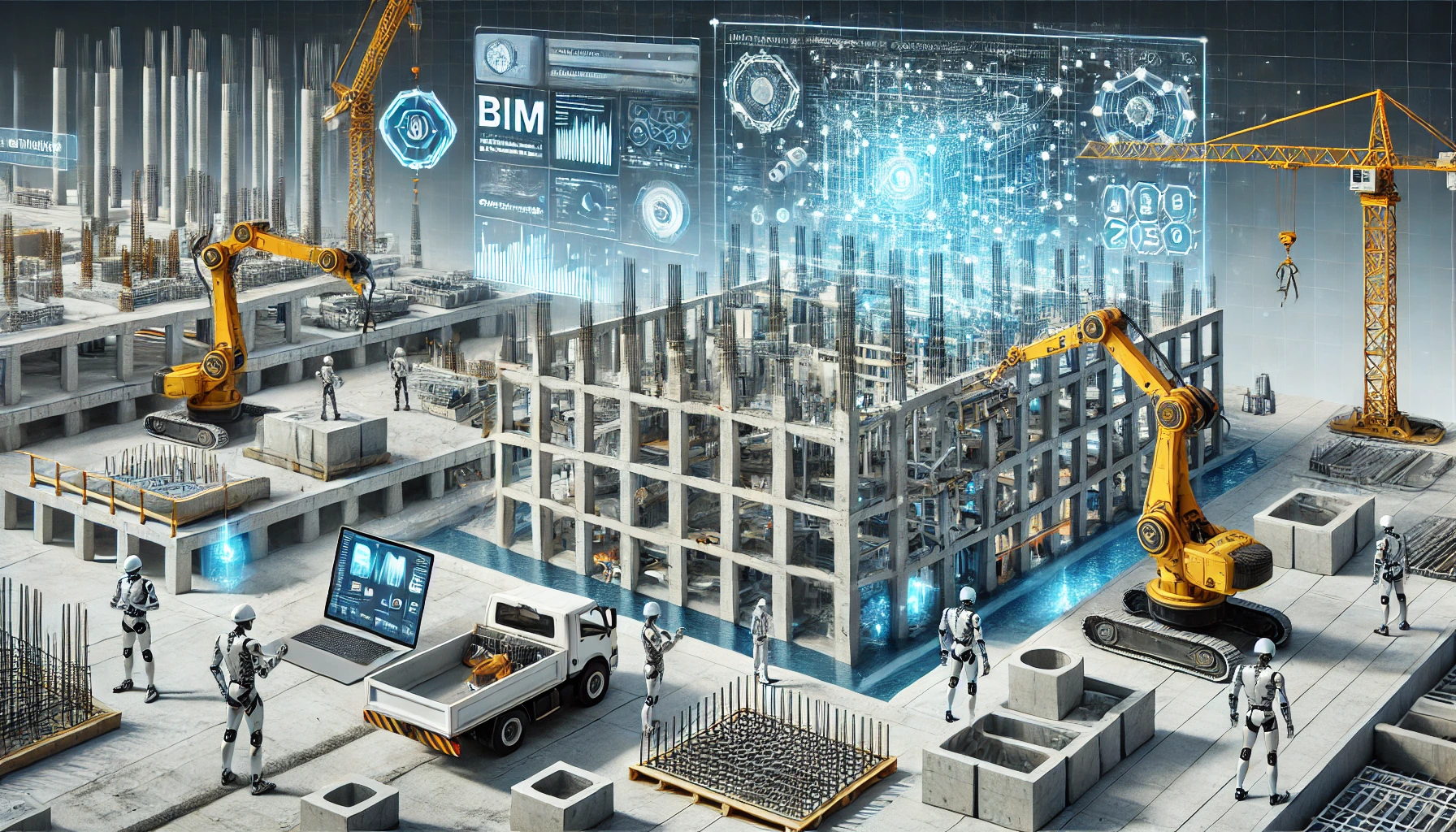
1. Advanced BIM Workflows for Seamless Collaboration

Building Information Modeling (BIM) is no longer optional—it’s a necessity. In 2025, contractors are leveraging BIM for precast projects at an unprecedented level.

Key Benefits:

  • Streamlined workflows from design to installation
  • Fewer errors and less rework
  • Improved collaboration among designers, engineers, and contractors

With BIM Level 3 technology, real-time collaboration is easier than ever. Studies show BIM adoption can improve project efficiency by up to 30%.

2. Sustainability-Driven Precast Designs

Sustainability is shaping the future of precast concrete. Contractors are implementing:

  • Low-carbon concrete mixes to reduce CO2 emissions
  • Optimized detailing techniques that minimize material waste
  • Reusable formwork solutions to improve efficiency

Case Study: Poundfield Precast’s ultra-low carbon concrete is a game-changer, showing how innovative materials can enhance sustainability without compromising performance.

3. Automation and AI-Powered Detailing

Manual detailing is becoming a thing of the past. AI and machine learning are transforming the way precast detailing is performed, reducing human error and accelerating workflows.

Top Automation Tools:

  • Tekla Structures: High-detail 3D modeling for fabrication-ready precast elements
  • Revit Precast Extensions: Automated panelization and reinforcement detailing
  • Trimble Connect: Cloud-based collaboration for real-time project tracking
  • SOFiSTiK Reinforcement Detailing: Automated reinforcement scheduling in Revit

Contractors leveraging these tools report 50% faster project delivery times.

4. Growth of Modular and Prefabricated Systems

Modular construction is reshaping the industry, and precast detailing is at its core. The ability to produce precision components off-site and assemble them on-site like LEGO blocks is increasing project speed by up to 50%.

Why it Matters:

  • Reduces on-site labor and costs
  • Enhances project predictability and quality
  • Minimizes construction waste

5. Digital Twins: The Future of Precast Lifecycle Management

A digital twin is a virtual replica of a physical structure that allows real-time monitoring and optimization.

Key Benefits:

  • Enhances predictive maintenance
  • Reduces installation surprises
  • Increases ROI by optimizing long-term performance

Example: Turner Construction’s Salesforce Tower project in San Francisco saved $15 million by using digital twin technology for logistics optimization and real-time monitoring.

Challenges Contractors Face in 2025

1. Talent Shortage in Digital Tools and BIM

The demand for professionals skilled in BIM and digital detailing is outpacing supply. Contractors must invest in:

  • Training programs
  • Upskilling initiatives
  • Partnerships with specialized firms

2. Navigating Stringent Regulations

Compliance with evolving safety and sustainability regulations is becoming more complex. Contractors need proactive compliance strategies and advanced tools for:

  • Automated clash detection (Navisworks Manage, Solibri Model Checker)
  • Digital documentation to meet certification requirements

3. High Initial Costs of New Technologies

While BIM, automation, and digital twins offer long-term benefits, their upfront costs can be a challenge.

Solutions:

  • Start small: Implement one technology at a time and measure ROI
  • Consider outsourcing: Specialized firms provide cost-effective precast detailing
  • Leverage government incentives: Many countries offer grants for tech adoption in construction

Data-Driven Insights: The Business Case for Modern Precast Detailing

Market Growth Projections

  • The global precast concrete market is expected to grow by $174.1 billion by 2025
  • North America and Asia-Pacific lead the expansion due to infrastructure investments

Cost-Benefit Analysis: Traditional vs. Modern Methods

AspectTraditional MethodsAdvanced Methods (BIM, Automation)
Setup TimeLongerReduced with automation
Error RateHighLower with clash detection
Project TimelineDelayed by reworkStreamlined with collaboration
Initial CostLowerHigher upfront investment
Long-term ROILimitedHigher due to efficiency gains
SustainabilityDifficult to meet standardsEasier with optimized designs
CollaborationManualCloud-based real-time updates

Conclusion: The Road Ahead for Precast Contractors

The future of precast concrete detailing is bright for contractors who embrace innovation. By staying ahead of trends in BIM, sustainability, automation, modular construction, and digital twins, contractors can improve efficiency, reduce costs, and enhance project quality.

Action Steps:

  1. Invest in advanced BIM tools for seamless collaboration.
  2. Prioritize sustainable detailing techniques.
  3. Automate repetitive detailing tasks to boost efficiency.
  4. Leverage modular construction for faster project delivery.
  5. Explore digital twins for real-time project optimization.

Contractors who adopt these strategies will be well-positioned to lead the precast concrete industry in 2025 and beyond.

Learn about Dual Power Supplies: Circuit Construction and Operation

Precast Concrete Detailing – Best Practices & Software

1. Introduction

Precast concrete detailing plays a crucial role in modern construction, ensuring high-quality, cost-effective, and durable structures. This guide explores the significance, processes, challenges, and innovations in precast concrete detailing.

What is Precast Concrete Detailing?

Precast concrete detailing involves creating precise design drawings and specifications for concrete elements that are manufactured off-site before being transported to the construction site. These elements include beams, columns, panels, and slabs.

Importance in Modern Construction

With growing demands for efficiency and sustainability, precast concrete detailing helps streamline the building process, reducing on-site labor, material waste, and project timelines.

Benefits of Precast Over Traditional Methods

  • Faster Construction: Precast components are manufactured in controlled environments, reducing weather-related delays.
  • Cost-Effectiveness: Reduces material waste and on-site labor costs.
  • Quality Control: Ensures uniformity and adherence to industry standards.
  • Sustainability: Minimizes environmental impact by optimizing material use and reducing carbon footprint.

2. Understanding Precast Concrete

Definition and Applications

Precast concrete is a construction material produced by casting concrete in a reusable mold, cured in a controlled environment, and transported to the site for assembly. It is widely used in residential, commercial, and infrastructure projects.

Types of Precast Concrete Structures

  • Structural Precast Elements: Beams, columns, and load-bearing walls.
  • Architectural Precast Elements: Facade panels, decorative walls.
  • Infrastructure Components: Bridges, tunnels, pipes.

Key Components of Precast Detailing

  • Drawings and Specifications: Essential for accurate manufacturing and assembly.
  • Reinforcement Details: Ensuring structural integrity.
  • Connection Design: Proper alignment and stability of assembled elements.

3. Key Advantages of Precast Concrete

Speed of Construction

Precast elements are produced simultaneously with site preparation, significantly reducing construction time compared to traditional cast-in-place methods.

Cost-Effectiveness

  • Lower Labor Costs: Reduced on-site labor requirements.
  • Efficient Material Usage: Minimizes waste.
  • Reduced Maintenance: High durability leads to lower long-term costs.

Environmental Benefits

  • Reduced Carbon Footprint: Efficient resource utilization.
  • Waste Minimization: Reusable molds and optimized concrete mix designs.
  • Energy Efficiency: Thermal mass properties improve energy efficiency in buildings.

4. Essential Steps in Precast Concrete Detailing

Initial Design and Planning

A thorough understanding of project requirements, load considerations, and design constraints is crucial before starting the detailing process.

Structural Analysis and Load Calculations

Engineers conduct structural analysis to determine load-bearing capacities and reinforcement needs to ensure stability and durability.

Shop Drawings and Reinforcement Detailing

Detailed drawings include precise measurements, reinforcement placements, and connection details for accurate fabrication and assembly.

5. Precast Concrete Drawings and Standards

Importance of Accurate Shop Drawings

Precise drawings help avoid errors during manufacturing and ensure seamless on-site assembly.

Industry Standards and Compliance

Following standards like ACI, PCI, and Eurocode ensures safety, quality, and regulatory compliance in precast detailing.

Role of BIM (Building Information Modeling) in Precast Detailing

BIM enhances coordination, accuracy, and visualization, reducing errors and improving efficiency in precast detailing.

6. Software for Precast Concrete Detailing

Top Software Tools for Detailing

Various software solutions streamline precast detailing, including:

  • Tekla Structures – Advanced 3D modeling and detailing capabilities.
  • AutoCAD – Widely used for creating precise 2D and 3D drawings.
  • Revit – Integrates BIM technology for enhanced collaboration.

Features and Benefits of Each Software

  • Tekla Structures: Enables parametric modeling and clash detection.
  • AutoCAD: Provides comprehensive drafting tools.
  • Revit: Facilitates intelligent design data management and coordination.

How to Choose the Right Detailing Software

  • Project Complexity: Select software based on project scale and requirements.
  • Collaboration Needs: BIM-compatible tools enhance teamwork.
  • Budget Considerations: Factor in licensing costs and training requirements.

7. Common Challenges in Precast Detailing

Coordination Between Architects and Engineers

Ensuring seamless integration of architectural aesthetics and structural stability requires clear communication and detailed drawings.

Handling Complex Designs

Advanced projects with intricate geometries demand robust software and skilled detailing to maintain accuracy.

Avoiding Common Mistakes in Detailing

  • Insufficient Tolerance Consideration: Leads to assembly issues.
  • Overlooking Load Calculations: Impacts structural stability.
  • Inconsistent Reinforcement Placement: Can compromise durability.

8. Precast Concrete Connections and Joints

Importance of Connections in Structural Stability

Connections play a crucial role in maintaining the strength and integrity of precast structures by ensuring proper load transfer between elements.

Types of Joints Used in Precast Detailing

  • Bolted Connections: Provide ease of assembly and disassembly.
  • Welded Joints: Ensure strong, permanent connections between elements.
  • Grouted Joints: Used for filling gaps and improving load distribution.

9. Precast Reinforcement and Rebar Detailing

Role of Reinforcement in Precast Structures

Reinforcement is crucial in precast concrete to enhance tensile strength and structural durability, reducing the risk of cracking and failure.

11. Frequently Asked Questions (FAQs)

1. How does precast concrete differ from cast-in-place concrete?

Precast concrete is manufactured in a controlled environment and transported to the construction site, whereas cast-in-place concrete is poured and cured on-site.

2. What are the key benefits of using precast concrete?

Precast concrete offers advantages such as faster construction, improved quality control, cost-effectiveness, and enhanced sustainability.

3. What software is best for precast concrete detailing?

Popular software options include Tekla Structures, AutoCAD, and Revit, each offering specialized features for detailed design and modeling.

4. How can BIM improve precast detailing?

BIM facilitates better collaboration, accuracy, and visualization, reducing errors and improving project efficiency.

5. What are common challenges in precast detailing?

Challenges include coordination between professionals, handling complex designs, and avoiding errors in reinforcement placement.

10. Conclusion

Precast concrete detailing is a fundamental aspect of modern construction, ensuring precision, efficiency, and durability. By following best practices, adhering to industry standards, and leveraging advanced software tools, engineers and contractors can optimize their precast detailing processes for long-term success.

Learn about Dual Power Supplies: Circuit Construction and Operation

LANVIN® || Lanvin Paris Official Clothing || New Collection

LANVIN Sneakers: Where Luxury Meets Streetwear

LANVIN, one of the most prestigious and enduring fashion houses in Paris, is renowned for its rich history, sophistication, and impeccable craftsmanship. Founded in 1889 by Jeanne Lanvin, the brand originally rose to fame through its couture and ready-to-wear collections, blending refined LANVIN elegance with modern sensibilities. Over the years, LANVIN has continually evolved to remain at the forefront of the fashion world, and its line of sneakers has been a testament to this ongoing innovation. By merging high fashion with casual, everyday wear, LANVIN sneakers have become a symbol of luxury street style, offering both comfort and elegance.

The Evolution of LANVIN Sneakers

In recent years, sneakers have become a cultural phenomenon, transcending their athletic roots to become an essential part of streetwear and luxury fashion. LANVIN sneakers ever forward-thinking, embraced this shift and ventured into the sneaker market with the same elegance and attention to detail that has defined the brand for over a century. This move was part of the brand’s broader effort to bridge the gap between haute couture and contemporary casualwear, offering pieces that blend the best of both worlds.

LANVIN sneakers combine the luxury craftsmanship the brand is known for with the relaxed, practical elements of sneakers, making them a perfect blend of style, comfort, and innovation. The sneaker collection embodies the same sense of timeless elegance that runs through the brand’s couture collections, while offering something fresh and modern for a new generation of fashion-forward consumers.

High-Quality Materials and Craftsmanship

A hallmark of LANVIN sneakers is the use of the finest materials. Every pair is crafted with the same level of care and quality as the brand’s haute couture garments. The sneakers are made from premium materials such as soft leather, durable suede, high-quality rubber, and innovative textile blends, ensuring that they not only look luxurious but also provide durability and comfort. Whether it’s the plush texture of the leather or the striking design of the soles, every detail of LANVIN sneakers is meticulously crafted.

LANVIN sneakers are designed with precision and care, with skilled artisans putting each pair together. The stitching, the fit, and the overall design reflect the brand’s legacy of exceptional craftsmanship. Each sneaker is built to last, ensuring that wearers enjoy both style and longevity. Unlike many mass-produced sneakers, LANVIN puts great effort into ensuring every pair maintains its premium quality over time, with a focus on functionality and aesthetics.

Design: Fusion of Elegance and Street Style

LANVIN sneakers are known for their distinctive design, which blends classic luxury with contemporary streetwear influences. The brand’s creative team carefully curates each collection, bringing together a mix of elegant details and modern styling. The result is a collection that can easily transition from casual streetwear to something more refined, suitable for a wide range of occasions.

One of the standout features of LANVIN sneakers is their versatility. The minimalist silhouettes offer a perfect balance of understated luxury and modern flair, making them suitable for a variety of looks—from pairing them with tailored suits for a sharp contrast to casual outfits, to wearing them with jeans for a laid-back yet chic appearance. The sneakers feature clean lines, subtle colorways, and elevated detailing that add a sense of sophistication to an otherwise casual style.

Some of the designs are sleek and subtle, often using neutral tones such as black, white, or beige, allowing the wearer to incorporate the sneakers into various outfits. Other styles include bolder elements like contrasting colors, metallic accents, and graphic prints, which inject a touch of personality and individuality. The distinctive LANVIN logo, often placed subtly on the tongue or side, further elevates the sneaker’s luxurious appeal.

Comfort and Functionality

While LANVIN sneakers are undoubtedly designed with aesthetics in mind, the brand places equal importance on comfort and functionality. The sneakers feature cushioned insoles, flexible soles, and ergonomic construction to ensure that they are as comfortable as they are stylish. Whether worn for running errands, strolling through the city, or attending a casual event, LANVIN sneakers offer all-day comfort without compromising on design.

The soles are crafted from high-quality rubber, providing superior grip and support. This thoughtful design ensures that the sneakers not only look good but also offer practical benefits such as durability and traction, making them perfect for everyday wear. The lightweight materials and construction contribute to a comfortable fit, making LANVIN sneakers a go-to choice for those seeking a balance of luxury and practicality.

Sustainability in Design

In today’s fashion industry, sustainability is more important than ever, and LANVIN is actively working to address environmental concerns through more eco-conscious practices. The brand is increasingly incorporating sustainable materials into its sneaker collections, such as recycled fabrics, vegan leather, and eco-friendly dyes. By prioritizing sustainable production methods and using responsible sourcing, LANVIN is making strides toward reducing its environmental footprint while still maintaining the high standards of quality that its customers expect.

LANVIN’s commitment to sustainability is not just about materials, but also about the longevity of its products. The brand designs sneakers that are made to last, offering customers a long-term investment rather than disposable, fast-fashion pieces. This approach contributes to a more sustainable fashion industry by encouraging consumers to invest in high-quality products that can stand the test of time.

Celebrity Endorsement and Cultural Impact

LANVIN sneakers have become a staple for celebrities, influencers, and fashion enthusiasts alike. The sneakers’ unique blend of luxury and street style has made them a favorite among those in the fashion world who want to make a statement without sacrificing comfort. Whether worn with high-end designer clothing or paired with more casual outfits, LANVIN sneakers add an element of sophistication that elevates any look.

Many public figures have been spotted wearing LANVIN sneakers, further cementing the brand’s status as a luxury streetwear icon. The sneakers’ growing popularity among fashion-forward individuals has made them an integral part of the modern fashion landscape, combining the best of both luxury and casualwear in a way that appeals to a broad audience.

Conclusion

LANVIN sneakers represent the perfect fusion of luxury, style, and comfort. With their impeccable craftsmanship, timeless design, and modern appeal, they have become a must-have for those seeking high-end footwear that’s both practical and fashionable. By embracing the sneaker trend, LANVIN has successfully adapted its iconic brand to fit the demands of today’s fashion-conscious consumers, offering a product that embodies both elegance and casual sophistication. Whether you’re looking for a pair of sneakers to wear with a suit or to complement your casual wardrobe, LANVIN sneakers provide the ideal combination of high fashion and everyday comfort.

Reliable Steel Detailing Solutions to Prevent Project Delays

Construction projects operate on tight schedules, and even minor delays can spiral into expensive disruptions. Your steel detailing partner plays a pivotal role in ensuring smooth project timelines. However, if they fail to deliver precise and timely outputs, they might be the bottleneck hampering your success.

This comprehensive guide will explore how inadequate steel detailing services contribute to project delays, actionable steps to avoid these pitfalls, and the essential qualities to seek in a reliable steel detailing partner.

The Crucial Role of Steel Detailing in Construction

Steel detailing forms the backbone of construction projects involving structural steel. Precision in detailing ensures that fabrication and erection processes progress without hiccups. Errors in design, measurements, or shop drawings can lead to costly setbacks, making accuracy non-negotiable.

Key Components of Steel Detailing:

  1. Fabrication Shop Drawings: Detailed instructions for cutting, welding, and assembling steel components.
  2. Material and Bolt Lists: Comprehensive lists to ensure all required components are available.
  3. Assembly Instructions: Guidelines to streamline the erection process on-site.

By emphasizing precision in these areas, steel detailing reduces errors, accelerates workflows, and ensures projects stay on schedule.

Common Causes of Project Delays in Steel Detailing

Delays often stem from inefficiencies or inexperience in steel detailing. Here are the major culprits:

1. Inaccurate or Incomplete Drawings

Errors in shop drawings can result in fabrication mismatches, material wastage, and significant rework. Even a single miscalculation can derail an entire project timeline.

2. Poor Communication

Effective steel detailing requires seamless coordination among engineers, architects, fabricators, and project managers. Miscommunication can lead to design misinterpretations and costly corrections.

3. Inexperience with Complex Structures

Not all detailing partners are equipped to handle intricate designs or large-scale projects. Inexperienced teams may struggle to deliver accurate outputs, causing bottlenecks.

4. Outdated Tools and Methods

Advanced software like Tekla Structures or SDS/2 has revolutionized steel detailing. Partners relying on outdated tools risk producing inaccurate results, delaying project timelines.

For additional insights, explore common challenges in steel detailing.

How to Choose the Right Steel Detailing Partner

A reliable steel detailing partner is instrumental in keeping your project on track. Here’s what to look for:

1. Proven Experience and Expertise

Seek a partner with a strong portfolio of complex steel detailing projects. Look for certifications, client testimonials, and case studies to validate their capabilities.

2. Use of Advanced Tools

Ensure your partner utilizes industry-leading software like Tekla Structures, SDS/2, or AutoCAD for precision and efficiency.

3. Rigorous Quality Assurance

Quality assurance processes minimize errors and ensure timely delivery. Confirm that your partner follows stringent checks at every project stage.

4. Clear Communication Channels

A dependable partner will prioritize proactive communication, ensuring alignment among all stakeholders.

For further guidance, read this detailed guide on selecting a steel detailing provider.

Strategies to Prevent Steel Detailing Delays

Preventing project delays starts with careful planning and selecting the right partner. Follow these actionable strategies:

1. Define Clear Project Goals

Establish detailed timelines, expectations, and deliverables upfront to eliminate ambiguities.

2. Prioritize Thorough Reviews

Conduct meticulous reviews of shop drawings and other deliverables to catch potential issues early.

3. Leverage BIM Tools

Adopt Building Information Modeling (BIM) to streamline communication and detect clashes before fabrication begins.

4. Partner with Experts

Choose an experienced steel detailing provider with a track record of accuracy, reliability, and timely delivery.

Why Partnering with the Right Steel Detailing Firm Matters

Delays in construction projects aren’t just costly; they can tarnish your reputation and lead to strained client relationships. A reliable steel detailing partner ensures:

  • Precise drawings that minimize rework.
  • Efficient workflows through advanced tools.
  • Seamless coordination among project stakeholders.

Ready to eliminate delays and streamline your construction projects?

Don’t let detailing errors derail your progress. Partner with a trusted steel detailing expert to guarantee accuracy, efficiency, and on-time delivery.

Contact us today to learn how our tailored steel detailing services can support your next project and keep your timelines on track!

Know about Architectural Planning Services: The Foundation of Successful Construction Projects

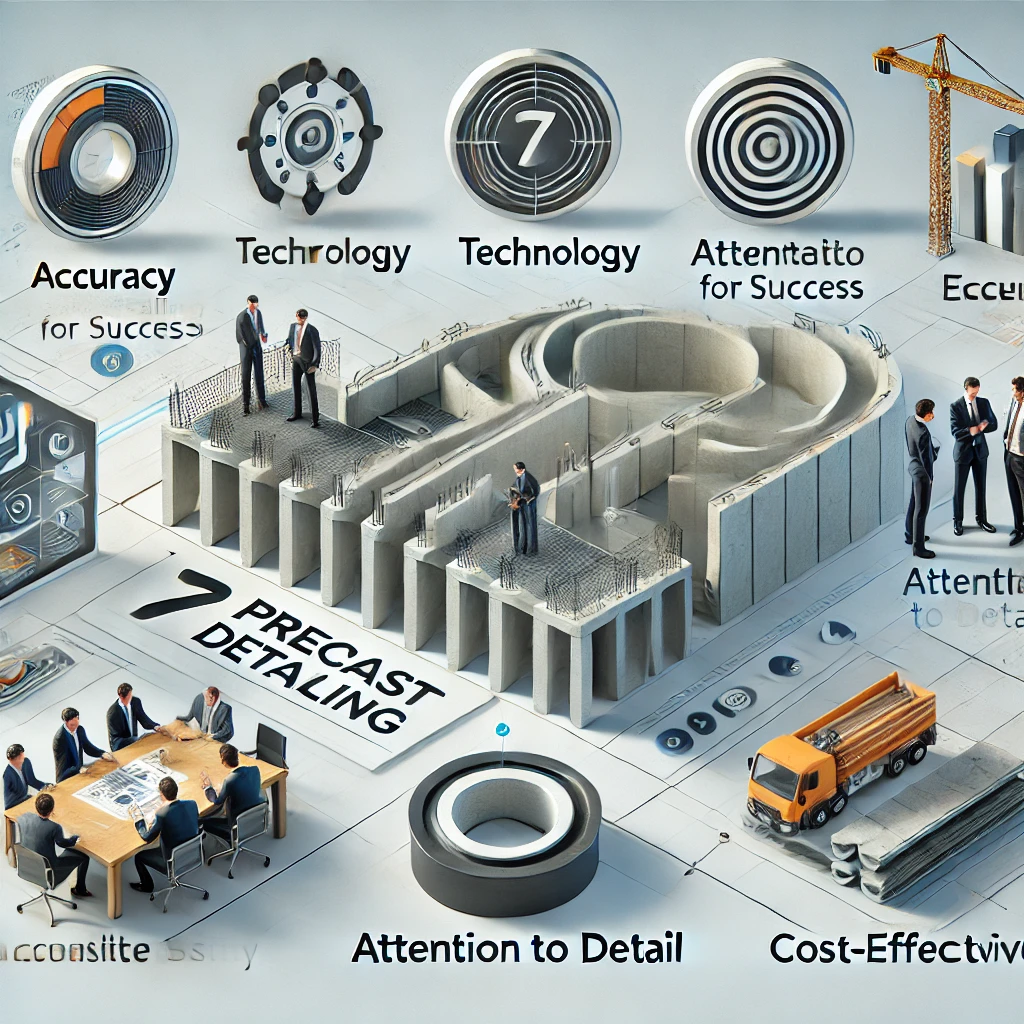
7 Key Factors to Evaluate Precast Detailing Quality for Success

Why Precast Detailing Quality Matters

In the world of construction, precision is paramount. Whether you’re building a commercial complex, a bridge, or any infrastructure project, the detailing quality of precast elements can determine the success or failure of your venture. But with countless companies vying for your attention, how do you ensure you choose the right one?

This guide unpacks the most critical factors to consider when evaluating a precast detailing provider, ensuring your project stays on track, within budget, and meets the highest standards.

1. Accuracy: The Core of Exceptional Detailing

Accuracy isn’t just a buzzword—it’s the foundation of successful projects. Precast detailing serves as your project’s blueprint, and even the smallest errors can trigger a cascade of problems, including delays, increased costs, and safety issues.

How to Assess Accuracy:

  • Track Record: Examine a provider’s case studies, client testimonials, and past projects.
  • Quality Checks: Inquire about their quality control processes. Do they employ multiple review stages?
  • Attention to Standards: Check if they adhere to local and international codes.

2. Advanced Technology: Elevating Quality

In an era of rapid technological advancement, staying updated is critical. Leading precast detailing providers utilize tools like 3D modeling, Building Information Modeling (BIM), and cloud-based platforms to streamline processes and improve outcomes.

Key Technologies to Look For:

  • Tekla Structures for structural detailing.
  • Autodesk Revit for detailed designs.
  • AutoCAD for precise drafting.

Choosing a provider proficient in these tools ensures higher accuracy, better visualization, and fewer on-site surprises.

3. Proven Expertise: Real-World Problem Solvers

Experience goes beyond years in the industry; it’s about versatility and depth. Providers who’ve handled diverse projects—especially within your industry—bring invaluable insights.

What to Ask:

  • Types of projects completed.
  • Challenges they’ve overcome and how.
  • Their ability to foresee potential design and construction issues.

4. Effective Communication: A Non-Negotiable

Even with cutting-edge technology and expertise, poor communication can derail a project. Timely updates, proactive issue flagging, and clear feedback loops are vital.

Evaluating Communication Skills:

  • Frequency of updates during the project.
  • Responsiveness to queries or concerns.
  • Willingness to collaborate and share insights.

5. Meticulous Attention to Detail

High-quality detailing goes beyond the big picture—it’s about nailing the smallest specifications. Ignoring seemingly minor aspects can lead to significant disruptions during construction.

Signs of Attention to Detail:

  • High-quality sample drawings.
  • Focus on compliance with codes and standards.
  • Case studies showcasing thorough problem-solving.

6. Flexibility and Adaptability

Construction projects are inherently unpredictable. Weather changes, material shortages, or last-minute design changes demand a provider that’s adaptable without compromising quality.

Questions to Ask:

  • How do they handle project adjustments?
  • Do they have protocols for meeting tight deadlines?
  • Examples of projects where they adapted to challenges.

7. Cost-Effectiveness: Balancing Value and Budget

Budget constraints are a reality, but cutting corners often leads to hidden costs in the form of delays, errors, and rework. Look for providers who are transparent about pricing and deliver quality worth your investment.

Smart Budgeting Tips:

  • Avoid the cheapest bids; focus on value.
  • Understand the breakdown of costs.
  • Look for providers who commit to reducing waste and optimizing efficiency.

Why These Factors Matter

At its core, evaluating precast detailing providers is about ensuring your project’s success. By prioritizing these seven factors, you minimize risks, optimize workflows, and build trust with your detailing partner.

If you’re ready to elevate your project’s quality with reliable and expert precast detailing, connect with professionals who prioritize precision and collaboration. Make the right choice today—because your project deserves nothing less than the best.

Also know about Architectural Planning Services: The Foundation of Successful Construction Projects