https://fuelpumpexpress.com

Rebar Detailing Services | Precision Structural Reinforcement

Introduction to Rebar Detailing Services

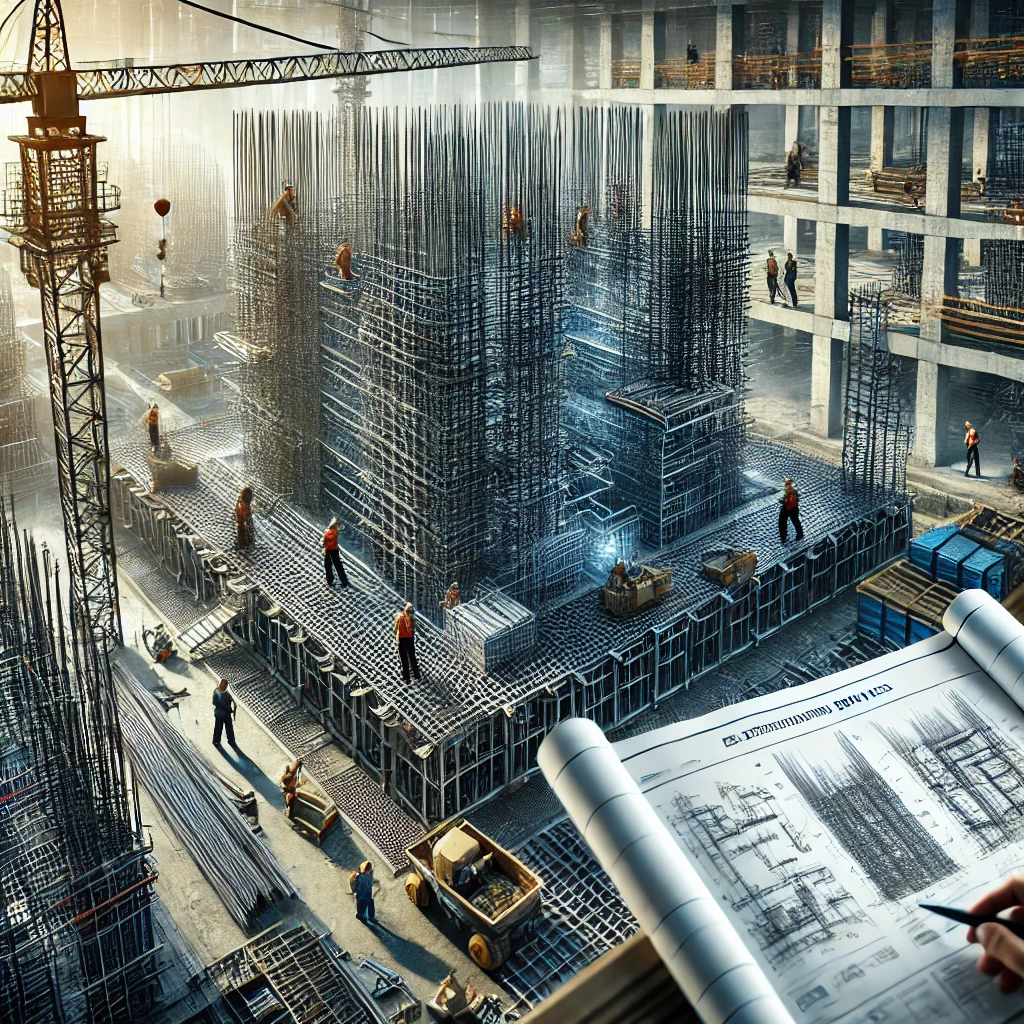
Rebar detailing is a crucial process in the construction industry that involves creating precise drawings and specifications for reinforcing steel (rebar) used in concrete structures. These detailed drawings guide fabricators and contractors to ensure the correct placement, bending, and cutting of rebar, enhancing the overall strength and durability of a structure.

The importance of accurate rebar detailing cannot be overstated. Even small errors in reinforcement placement can compromise structural integrity, leading to costly delays or failures. With modern technology and advanced software, rebar detailing services help construction professionals achieve high levels of precision, ensuring compliance with industry standards.

Key Components of Rebar Detailing

Rebar detailing consists of several essential components, each playing a vital role in the construction process:

  • Bar Bending Schedules (BBS): A detailed list specifying the shape, size, length, and quantity of rebar required for a project. BBS ensures that all reinforcement components fit together as intended.
  • Reinforcement Drawings and Shop Drawings: These technical illustrations provide contractors with clear instructions on rebar placement, connections, and overlaps.
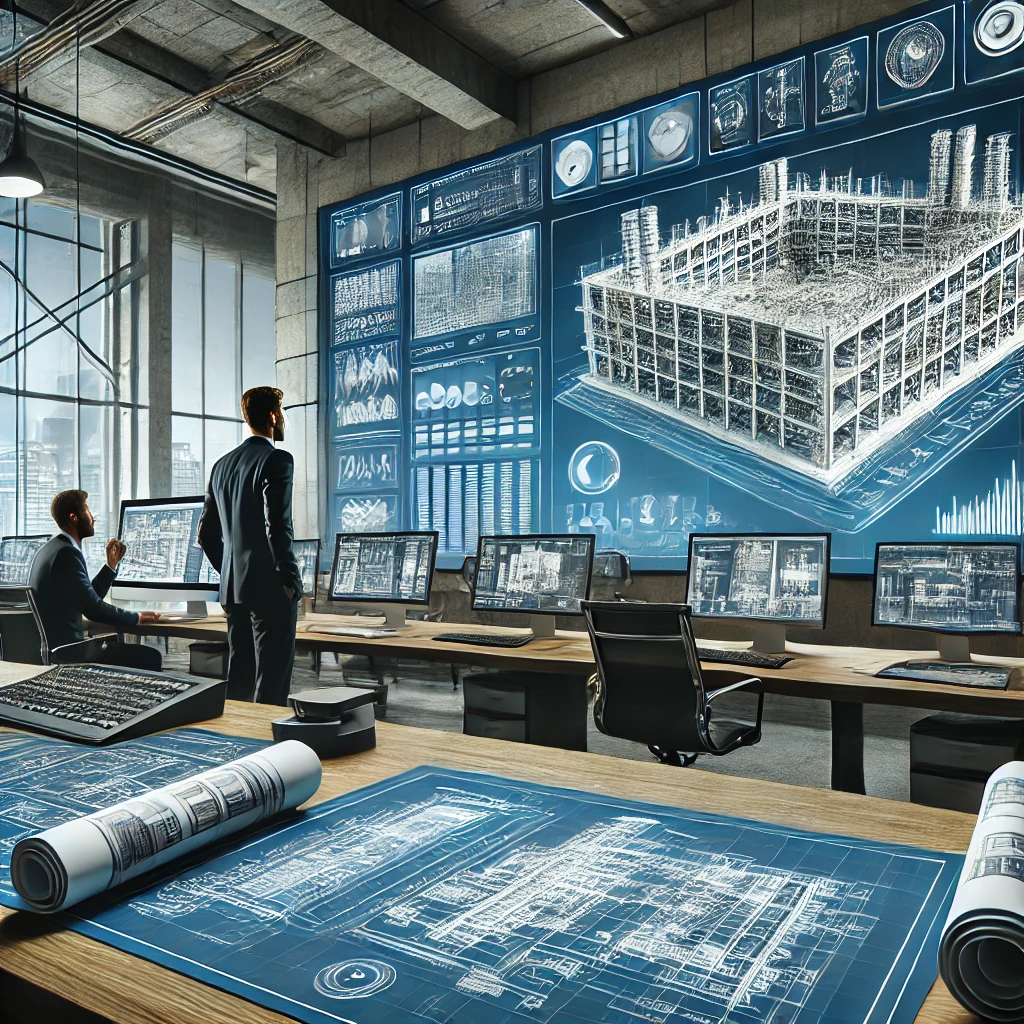
  • 3D Modeling for Enhanced Accuracy: With the integration of Building Information Modeling (BIM), rebar detailing has advanced beyond 2D drawings, offering precise 3D representations that help identify potential clashes before construction begins.

Why Rebar Detailing is Critical in Structural Engineering

The success of any concrete structure depends heavily on proper reinforcement. Here’s why rebar detailing plays a vital role in structural engineering:

  • Impact on Structural Integrity: Well-detailed reinforcement ensures that buildings, bridges, and other structures can withstand load-bearing stresses, environmental forces, and long-term wear.
  • Cost Savings and Waste Reduction: A precise detailing plan helps minimize material wastage by providing accurate rebar cutting and bending instructions, reducing unnecessary expenses.
  • Compliance with Industry Standards: Rebar detailing must align with international codes such as ACI (American Concrete Institute), BS (British Standards), and IS (Indian Standards) to ensure safety and durability.

Advanced Software Used in Rebar Detailing

Modern construction projects demand high precision, and rebar detailing software plays a crucial role in achieving accuracy. Some of the most widely used software for rebar detailing includes:

  • AutoCAD for Rebar Drafting: AutoCAD is one of the most common tools used for 2D rebar detailing and drafting. It allows engineers to create detailed reinforcement plans with precise dimensions.
  • Tekla Structures for 3D Reinforcement Modeling: Tekla Structures enables engineers to develop detailed 3D models, ensuring that reinforcement placement aligns perfectly with the overall structure.
  • Revit and BIM Integration for Efficiency: Autodesk Revit is widely used for BIM (Building Information Modeling) integration, allowing different stakeholders to collaborate efficiently while visualizing reinforcement in a digital environment.

By leveraging these advanced tools, construction professionals can reduce errors, enhance coordination, and improve project timelines.

Benefits of Professional Rebar Detailing Services

Hiring experienced rebar detailers brings numerous advantages to a project. Some of the key benefits include:

  • Precision and Accuracy: Rebar detailing services ensure that reinforcement is placed correctly, reducing the risk of construction errors.
  • Improved Project Timeline: Proper detailing prevents delays by providing contractors with clear instructions, minimizing rework.
  • Minimization of Material Wastage: Accurate bar bending schedules and shop drawings help optimize material usage, reducing unnecessary costs.

Professional detailing services also help in complying with regulatory standards, preventing costly legal and structural issues down the line.

Industries That Rely on Rebar Detailing

Rebar detailing is essential across various sectors, ensuring the strength and stability of different types of structures. Some industries that heavily depend on rebar detailing include:

  • Commercial and Residential Buildings: From high-rise apartments to office complexes, rebar detailing ensures these structures can withstand external forces and heavy loads.
  • Bridges and Highways: Infrastructure projects like bridges and highways require meticulously designed reinforcement to endure constant traffic and environmental conditions.
  • Industrial Plants and Infrastructure: Large-scale industrial projects, including factories, power plants, and tunnels, rely on rebar detailing to ensure long-term durability and safety.

Given its widespread application, rebar detailing is a fundamental aspect of modern construction and engineering.

The Role of BIM in Modern Rebar Detailing

Building Information Modeling (BIM) has transformed the way rebar detailing is handled in construction projects. BIM enhances collaboration, accuracy, and efficiency by providing a digital representation of the reinforcement structure. Here’s how BIM benefits rebar detailing:

  • Clash Detection and Coordination: BIM allows engineers to identify and resolve conflicts between reinforcement elements and other structural components before construction begins, reducing costly rework.
  • Enhanced Collaboration: BIM enables seamless communication among architects, structural engineers, and contractors, ensuring that all parties work with accurate and up-to-date reinforcement details.
  • Improved Visualization: With 3D modeling, project teams can visualize rebar placement in a virtual environment, reducing errors and improving installation efficiency.

BIM is becoming a standard practice in large-scale construction projects, ensuring that rebar detailing is precise and streamlined.

Common Challenges in Rebar Detailing and How to Overcome Them

Despite technological advancements, rebar detailing comes with challenges. Here are some of the most common issues and solutions:

  • Addressing Design Complexity: Complex architectural designs require intricate rebar detailing. The use of advanced software like Tekla Structures and Revit helps in managing these complexities.
  • Ensuring Compliance with Changing Codes: Structural codes and regulations frequently change. Professional rebar detailers stay updated with ACI, BS, and IS standards to ensure compliance.
  • Managing Large-Scale Projects with Precision: Large infrastructure projects involve thousands of rebar elements. BIM and automation tools help streamline detailing and coordination.

By leveraging technology and skilled professionals, construction firms can overcome these challenges and achieve accurate reinforcement detailing.

How to Choose the Right Rebar Detailing Service Provider

Selecting a reliable rebar detailing company is crucial for ensuring the success of a construction project. Here are key factors to consider when hiring a service provider:

  • Experience and Expertise: Look for companies with a proven track record in rebar detailing for various types of structures.
  • Software and Technology Used: Ensure the provider utilizes advanced tools like AutoCAD, Tekla, and Revit for precision.
  • Compliance with Industry Standards: Verify that the company follows international reinforcement codes and safety regulations.
  • Portfolio and Client Reviews: Check previous projects and client testimonials to assess reliability and quality of service.

Asking these questions before hiring a rebar detailing service provider can help ensure that your project is completed with accuracy and efficiency.

Future Trends in Rebar Detailing

As technology continues to evolve, rebar detailing is becoming more efficient and precise. Here are some emerging trends shaping the future of rebar detailing:

  • AI and Automation in Rebar Detailing: Artificial intelligence is streamlining rebar design by automatically detecting errors, optimizing reinforcement layouts, and improving efficiency.
  • Cloud-Based Collaboration: With cloud technology, teams can work on rebar detailing projects in real-time, ensuring seamless coordination between engineers, contractors, and fabricators.
  • Sustainability and Green Construction Practices: The construction industry is shifting towards eco-friendly materials and efficient reinforcement methods to reduce waste and environmental impact.

These advancements are making rebar detailing faster, more accurate, and more sustainable.

Frequently Asked Questions About Rebar Detailing

1. What is the cost of rebar detailing services?
The cost depends on the project’s complexity, size, and detailing requirements. Most providers charge based on the number of drawings or the total tonnage of rebar.

2. How long does it take to complete a rebar detailing project?
Timelines vary based on project scale. Small projects may take a few days, while larger infrastructure projects may require weeks or months.

3. What certifications should a rebar detailing company have?
Look for certifications like ACI (American Concrete Institute) and compliance with BS (British Standards) and IS (Indian Standards) for quality assurance.

Conclusion – Why Investing in Quality Rebar Detailing Services Matters

Rebar detailing is an essential aspect of structural engineering, ensuring the strength, safety, and durability of concrete structures. By leveraging modern software, BIM integration, and expert detailing services, construction firms can achieve greater efficiency, cost savings, and project success.

Choosing the right rebar detailing service provider can make a significant difference in project outcomes, reducing errors, delays, and unnecessary expenses. As the industry continues to embrace automation and digital transformation, rebar detailing will play an even more vital role in shaping the future of construction.

Learn about From Foundations to Finishes: The 2025 Blueprint of Vulcan Hats Construction’s Excellence

Simplify Bids with Precision Mechanical Estimating Services

In the dynamic world of construction and mechanical projects, accuracy in cost estimation is not just an advantage—it’s a necessity. Successful project execution and winning competitive bids hinge on the ability to provide detailed, reliable cost projections. Precision mechanical estimating services play a pivotal role in achieving this, offering the expertise and tools needed to streamline the bidding process while ensuring maximum accuracy and efficiency.

Why Accurate Mechanical Estimating Matters

Mechanical estimating involves the systematic calculation of costs related to materials, labor, equipment, and overheads for mechanical construction projects. In industries where even slight miscalculations can lead to significant financial setbacks, accurate estimates are vital. They provide contractors with the confidence to:

  • Secure More Contracts: Accurate and competitive estimates significantly enhance the chances of winning bids.
  • Maintain Budget Control: Reliable cost projections enable effective financial planning and resource management.
  • Reduce Project Risks: Early identification of potential overruns or resource shortages mitigates risks and avoids costly delays.
  • Build Client Trust: Transparent and well-structured estimates enhance credibility and establish stronger client relationships.

The Value of Precision Mechanical Estimating Services

  1. Industry Expertise Professional estimators bring specialized knowledge of mechanical systems, materials, and market dynamics, ensuring that every estimate is realistic and comprehensive.
  2. Enhanced Efficiency Outsourcing estimating tasks allows contractors to focus on core operations while ensuring that bids are completed efficiently and on time.
  3. Utilization of Advanced Tools Precision estimators use state-of-the-art estimating software and tools that minimize errors, streamline calculations, and ensure adaptability to project changes.
  4. Cost Optimization Although engaging professional estimating services involves an upfront cost, the long-term savings are substantial. Accurate estimates help reduce material waste, prevent budget overruns, and enhance overall project profitability.
  5. Tailored Solutions Each project is unique, and precision estimating services offer customized solutions tailored to specific project requirements, ensuring accurate and relevant cost evaluations.

Core Components of Precision Mechanical Estimating Services

  • Material Takeoff: Comprehensive analysis and quantification of all materials necessary for the project.
  • Labor Cost Assessment: Precise calculation of labor hours and rates considering project complexity and regional standards.
  • Equipment Cost Estimation: Detailed forecasting of costs associated with tools, machinery, and equipment usage.
  • Overhead and Profit Margins: Incorporation of indirect costs and reasonable profit margins to ensure financial sustainability.
  • Risk Analysis: Identification and evaluation of potential risks and development of mitigation strategies.
  • Detailed Reporting: Structured reports that enhance transparency and support the bid presentation process.

How Precision Estimator Streamlines the Bidding Process

Precision Estimator is designed to simplify and enhance the estimating process by integrating cutting-edge technology with industry expertise. Here’s how it revolutionizes bidding strategies:

  1. Automated Workflow Precision Estimator automates routine tasks, reducing manual errors and accelerating the estimating process, leading to more efficient operations.
  2. Data-Driven Insights With advanced data analytics, Precision Estimator offers valuable insights into market trends and cost patterns, empowering contractors to make informed decisions and craft competitive bids.
  3. Scalable Solutions Whether for small-scale residential projects or large industrial ventures, Precision Estimator adapts to varying project scopes, providing scalable and flexible solutions.
  4. Market-Driven Accuracy By leveraging updated databases and precise algorithms, Precision Estimator ensures that every estimate aligns with current market conditions, enhancing reliability.
  5. Enhanced Team Collaboration The platform promotes effective teamwork by enabling seamless sharing, reviewing, and revising of estimates, ensuring that all stakeholders stay informed and aligned.

Gaining a Competitive Edge with Precision Estimating Services

Contractors leveraging precision mechanical estimating services can achieve a significant competitive advantage through:

  • Minimizing project risks and uncertainties.
  • Enhancing bid accuracy and project profitability.
  • Optimizing resource allocation and project timelines.
  • Strengthening client relationships through transparent communication.

Conclusion

In a field where accuracy can define success, utilizing precision mechanical estimating services is a strategic investment. Precision Estimator simplifies the bidding process, enhances accuracy, and contributes to better project outcomes. By combining advanced technology, industry expertise, and a focus on precision, contractors can confidently submit competitive bids that drive success and profitability.

Precast Detailing Services: Precision & Efficiency in Construction

Introduction to Precast Detailing Services

Precast detailing services play a crucial role in modern construction by ensuring precision, efficiency, and cost-effectiveness. These services involve creating detailed drawings, 3D models, and documentation for precast concrete elements before they are manufactured and installed. By leveraging advanced software and expertise, precast detailing minimizes errors, reduces construction time, and optimizes resource utilization.

Why Precast Detailing is Important

  • Enhances accuracy in design and execution
  • Reduces material wastage and project delays
  • Facilitates smooth coordination between engineers, architects, and contractors
  • Ensures compliance with industry standards and regulations

Understanding the Precast Detailing Process

The precast detailing process follows a structured approach to ensure seamless construction. It involves multiple stages, each designed to improve accuracy and efficiency.

1. Concept and Design Stage

At this stage, structural engineers and architects collaborate to define the project’s requirements. Key activities include:

  • Understanding load-bearing requirements and structural constraints
  • Initial sketches and design feasibility analysis
  • Selection of precast components such as slabs, columns, and beams

2. 3D Modeling and CAD/BIM Integration

Using advanced software like AutoCAD, Tekla Structures, and Revit, engineers create detailed 3D models to visualize the precast elements. The benefits of this stage include:

  • Improved visualization of complex structures
  • Early detection of design clashes and conflicts
  • Accurate dimensioning for seamless assembly

3. Coordination with Architects and Structural Engineers

To ensure alignment with the overall building design, precast detailers work closely with architects and engineers. This step involves:

  • Reviewing and modifying drawings based on feedback
  • Conducting structural analysis and load calculations
  • Ensuring compliance with local construction codes

Benefits of Precast Detailing Services

Precast detailing services offer numerous advantages that contribute to a smoother construction process and enhanced project outcomes.

1. Faster Construction Speed

By preparing detailed plans in advance, construction teams can streamline the manufacturing and installation of precast elements, significantly reducing project timelines.

2. Cost Savings and Material Optimization

Precast detailing minimizes material wastage and ensures efficient use of resources, leading to cost savings. Additionally, factory-made precast elements are often more economical than traditional on-site concrete pouring.

3. Reduced Onsite Errors and Rework

With precise detailing, the chances of errors in fabrication and installation are significantly lower. This reduces costly rework and project delays.

4. Sustainable and Eco-Friendly Solutions

Precast construction produces less on-site waste and offers better energy efficiency. Using sustainable materials and optimizing structural designs contribute to greener building practices.

Key Elements in Precast Detailing

Precast detailing involves several critical components that ensure the successful implementation of a project.

1. Precast Shop Drawings

Shop drawings provide detailed specifications for manufacturing precast components, including:

  • Dimensions, reinforcement, and material specifications
  • Connection details for seamless assembly
  • Compliance with safety and quality standards

2. Reinforcement Detailing

Proper reinforcement detailing is essential to enhance the strength and durability of precast elements. This includes:

  • Placement of rebars and mesh reinforcement
  • Load distribution and stress analysis
  • Compliance with structural engineering principles

3. Connection Details and Load Calculations

Accurate connection detailing ensures the structural integrity of the precast system. This involves:

  • Anchoring and joint design for stability
  • Load calculations to meet building requirements
  • Preventing structural failures through precise engineering

4. Quality Control and Compliance

To meet industry standards, precast detailing follows rigorous quality control measures, including:

  • Regular inspections and audits
  • Compliance with local and international building codes
  • Ensuring durability and performance through advanced testing

Software Used in Precast Detailing

The use of advanced software tools enhances precision, collaboration, and efficiency in precast detailing. Some of the most widely used software include:

1. AutoCAD and Revit

  • Enables 2D and 3D modeling for detailed shop drawings
  • Integrates with BIM for improved project visualization
  • Supports precise dimensioning and material specifications

2. Tekla Structures

  • Provides robust detailing for complex precast structures
  • Facilitates clash detection and error minimization
  • Offers automation for reinforcement detailing

3. BIM 360 and Other Advanced Tools

  • Enhances collaboration across project stakeholders
  • Supports real-time updates and cloud-based model sharing
  • Improves project tracking and cost estimation

Challenges in Precast Detailing and How to Overcome Them

Despite its advantages, precast detailing comes with challenges that must be addressed for seamless project execution.

1. Design Complexity and Customization

  • Solution: Use parametric modeling tools to streamline custom designs
  • Solution: Collaborate closely with architects to ensure design feasibility

2. Coordination with Multiple Stakeholders

  • Solution: Implement BIM for real-time collaboration
  • Solution: Conduct regular project meetings and reviews

3. Ensuring Accuracy in Detailing and Fabrication

  • Solution: Use automated checking tools to verify dimensions and calculations
  • Solution: Perform quality assurance checks before fabrication

Conclusion and Final Thoughts

Precast detailing services are essential for ensuring accuracy, efficiency, and cost-effectiveness in modern construction. By leveraging advanced software and streamlined processes, construction teams can significantly reduce project timelines, enhance structural integrity, and minimize errors. As technology continues to evolve, incorporating BIM and automation in precast detailing will further optimize construction practices. Businesses looking to improve efficiency and sustainability should consider integrating precast detailing into their projects for long-term benefits.

Frequently Asked Questions (FAQs)

1. What is precast detailing?

Precast detailing involves creating detailed drawings, models, and specifications for precast concrete elements before they are fabricated and installed in construction projects.

2. How does precast detailing improve construction efficiency?

Precast detailing ensures accurate design, minimizes material waste, reduces onsite errors, and speeds up the construction process by pre-manufacturing elements.

3. What software is commonly used for precast detailing?

Popular software includes AutoCAD, Revit, Tekla Structures, and BIM 360, which help in precise modeling, collaboration, and documentation.

4. How does BIM help in precast detailing?

BIM enhances collaboration, enables clash detection, provides detailed 3D visualization, and improves cost estimation and project scheduling.

5. Is precast detailing cost-effective compared to traditional construction methods?

Yes, precast detailing reduces labor costs, material waste, and project timelines, making it a more cost-effective solution than traditional onsite concrete construction.

Learn about BIM Modeling Services: Revolutionizing Construction & Design

Effortless Planning with Residential Estimating Services

When it comes to residential construction, accurate planning is key to avoiding costly surprises. Whether you’re a contractor, homeowner, or developer, understanding the true costs of a project up front is vital to managing your budget and ensuring everything runs smoothly. This is where Precision Estimator steps in. Our residential estimating services provide the precision and reliability you need to plan your next project with confidence, eliminating stress and uncertainty.

Why Accurate Estimates Matter in Residential Projects

A construction estimate is more than just a ballpark figure—it’s a detailed analysis that covers every aspect of a project. From the cost of materials to labor, permits, and timeline, an accurate estimate provides the roadmap needed to keep the project on track financially.

Residential projects are particularly vulnerable to budget overruns. According to the National Association of Home Builders (NAHB), more than 40% of construction projects experience some form of cost escalation. With a thorough and precise estimate from Precision Estimator, you can minimize these risks and keep your budget under control.

The Precision Estimator Advantage

At Precision Estimator, we are committed to delivering the most accurate and detailed residential estimates possible. Here’s why homeowners, contractors, and developers trust us:

1. Unmatched Precision

As our name suggests, precision is at the core of what we do. Whether you’re building a new home, adding an extension, or remodeling, we utilize cutting-edge software and industry expertise to provide highly accurate estimates. Our team ensures that all variables—material costs, labor rates, permits, and any other expenses—are factored in. This helps you avoid the unpleasant surprises that often arise during construction.

2. Tailored Estimates for Every Project

Every construction project is unique. That’s why we don’t believe in a one-size-fits-all approach. Our estimates are fully customized to your specific needs. Whether you’re working with a limited budget or aiming for high-end finishes, we ensure every aspect of your project is accounted for. From material selection to labor costs and regional price differences, we create an estimate that suits your exact project.

3. Fast and Efficient Process

At Precision Estimator, we value your time. We know that a quick turnaround on an estimate can significantly impact the progress of your project. By providing clear and concise estimates early on, we help you avoid delays and keep things moving. Our detailed estimates also help streamline the permitting process, ensuring that all the necessary paperwork is in place to keep your project on schedule.

4. Expert Advice and Support

We understand that construction estimating can be complex, especially if you’re new to the process. That’s why we offer expert advice alongside our estimates. Our team is always available to answer your questions, explain complex details, and guide you on making cost-effective decisions. This means you can move forward with the confidence that your budget and project are in safe hands.

5. Transparent Pricing

Transparency is a cornerstone of our service. We provide upfront, competitive pricing for all of our estimating services, so you’ll know exactly what to expect from the start. With Precision Estimator, there are no hidden costs—just clear, honest pricing that ensures you get the best value for your investment.

The Benefits of Professional Residential Estimating

Investing in professional estimating services can bring multiple advantages to your residential project:

  • Avoiding Cost Overruns: A detailed estimate helps you plan for unexpected expenses and keep your budget in check.
  • Accurate Material and Labor Costs: Our estimates break down the costs of materials and labor, giving you a realistic understanding of the resources you’ll need.
  • Efficient Resource Management: Knowing your costs upfront allows for better allocation of resources, reducing waste and optimizing your budget.
  • Streamlined Project Management: Accurate estimates enable better scheduling, ensuring that your project stays on track and on time.

Conclusion

No matter the size or scope of your residential construction project, an accurate estimate is essential for keeping things on track financially. At Precision Estimator, we pride ourselves on offering reliable, detailed, and timely estimating services that allow you to plan confidently and avoid costly mistakes.

With our expertise on your side, you’ll have a clear financial roadmap that helps turn your vision into a reality. Contact Precision Estimator today to get started on your next project and experience how easy planning can be with accurate, professional estimating services.

BIM Modeling Services: Revolutionizing Construction & Design

Introduction

Building Information Modeling (BIM) has transformed the way construction and design projects are planned, executed, and managed. BIM is a digital representation of a building’s physical and functional characteristics, enabling architects, engineers, and contractors to collaborate more efficiently. As the demand for sustainable, cost-effective, and time-efficient construction grows, BIM modeling services have become an essential tool for the Architecture, Engineering, and Construction (AEC) industry.

In this article, we explore the significance of BIM modeling services, their benefits, and how they are shaping the future of construction.

Understanding BIM Modeling Services

BIM modeling services involve the creation of detailed digital models of buildings and infrastructure projects. These models go beyond simple 3D visualization; they integrate critical project data such as materials, costs, scheduling, and sustainability factors.

Key Principles of BIM

  1. Collaboration – BIM enables seamless coordination among project stakeholders.
  2. Visualization – 3D models help architects and engineers understand project scope clearly.
  3. Data Management – BIM integrates various types of data into a single model for better decision-making.

Levels of BIM Maturity

BIM adoption progresses through different levels, including:

  • BIM Level 0: Basic 2D CAD drafting with no collaboration.
  • BIM Level 1: A mix of 2D and 3D models, with some digital collaboration.
  • BIM Level 2: Collaborative 3D modeling with shared data across disciplines.
  • BIM Level 3: Fully integrated, cloud-based BIM with real-time collaboration.

Different Dimensions of BIM

BIM models are categorized into various dimensions based on the type of data they incorporate:

  • 3D BIM: Basic 3D visualization of design and structure.
  • 4D BIM: Time-based scheduling and project planning.
  • 5D BIM: Cost estimation and budget management.
  • 6D BIM: Sustainability and energy analysis for green building design.
  • 7D BIM: Facility management for long-term maintenance and operations.

Benefits of BIM Modeling Services

BIM modeling services offer numerous advantages that make construction projects more efficient and cost-effective.

1. Improved Collaboration and Communication

BIM allows all stakeholders, including architects, engineers, and contractors, to work from a single, unified model. This eliminates miscommunication, reduces errors, and improves project coordination.

2. Enhanced Visualization and Accuracy

Unlike traditional 2D blueprints, BIM provides detailed 3D visualizations that help teams identify design flaws before construction begins. This leads to fewer design errors and better project execution.

3. Cost and Time Efficiency

BIM significantly reduces project costs by minimizing material waste and optimizing scheduling. With 5D BIM, project managers can estimate costs more accurately, reducing unexpected budget overruns.

4. Reduced Construction Errors and Rework

Since BIM integrates real-time data, errors are identified early in the design phase. This prevents costly changes during the construction process, saving both time and money.

5. Sustainable and Green Building Design

With 6D BIM, construction projects can incorporate energy analysis and sustainability metrics. This helps reduce carbon footprints and ensures compliance with green building standards like LEED (Leadership in Energy and Environmental Design).

BIM Software and Tools Used in Modeling

BIM modeling services rely on advanced software tools that help in designing, analyzing, and managing building information throughout the project lifecycle. Different software platforms cater to various aspects of BIM, ensuring efficient collaboration and data integration.

Popular BIM Software Solutions

  1. Autodesk Revit – One of the most widely used BIM tools for architectural, structural, and MEP modeling.
  2. AutoCAD – Primarily used for 2D drafting and basic 3D modeling.
  3. Navisworks – Ideal for project coordination, clash detection, and model simulation.
  4. ArchiCAD – A strong BIM solution for architects, offering extensive design and visualization tools.
  5. Tekla Structures – Specialized in structural BIM modeling, particularly for steel and concrete structures.

Integration of AI and Cloud Computing in BIM

With advancements in technology, BIM is now integrating Artificial Intelligence (AI) and cloud computing to improve efficiency. AI-driven BIM tools help predict design flaws, automate repetitive tasks, and optimize resource allocation. Cloud-based BIM platforms allow real-time collaboration across different locations, making construction planning more agile and transparent.

Types of BIM Modeling Services

BIM modeling services cater to various disciplines within the AEC industry. Depending on project requirements, different types of BIM models are created to streamline design, construction, and facility management.

1. Architectural BIM Modeling

Architectural BIM focuses on designing and visualizing building structures, including:

  • Floor plans, elevations, and sections
  • Interior and exterior layouts
  • Energy-efficient design concepts

2. Structural BIM Modeling

Structural BIM modeling is used for designing and analyzing load-bearing structures, including:

  • Foundations, beams, and columns
  • Reinforcement detailing
  • Structural integrity analysis

3. MEP BIM Modeling (Mechanical, Electrical, Plumbing)

MEP BIM modeling ensures that building systems function efficiently by incorporating:

  • HVAC (Heating, Ventilation, and Air Conditioning) design
  • Electrical layouts and wiring plans
  • Plumbing and drainage systems

4. Scan-to-BIM for Renovation Projects

For existing buildings, Scan-to-BIM services involve laser scanning the structure to create an accurate 3D digital model. This helps in renovations, restorations, and retrofitting projects.

Role of BIM in Sustainable Construction

Sustainability is a growing concern in the construction industry, and BIM plays a crucial role in promoting eco-friendly building practices.

1. Energy Efficiency and Carbon Footprint Reduction

6D BIM allows architects and engineers to analyze energy consumption and optimize building performance. By integrating energy simulations, BIM helps in selecting sustainable materials and improving insulation techniques.

2. Green Building Certification and Compliance

BIM assists in achieving LEED (Leadership in Energy and Environmental Design) certification by ensuring compliance with sustainability standards. The software can track and report energy efficiency metrics throughout a building’s lifecycle.

3. Waste Reduction and Material Optimization

BIM improves material estimation, reducing construction waste and lowering project costs. This supports the use of recyclable materials and sustainable construction methods.

Common Challenges in BIM Implementation

While BIM offers numerous advantages, adopting it comes with certain challenges that construction firms and professionals must overcome.

1. High Initial Costs and Software Expenses

Implementing BIM requires investment in software, hardware, and employee training. Many firms hesitate due to the high upfront costs, despite the long-term benefits of cost savings and efficiency.

2. Resistance to Change in Traditional Construction Firms

Construction companies accustomed to traditional methods may be reluctant to adopt BIM. Shifting to digital workflows requires a change in mindset and processes, which can be a challenge for firms with limited technical expertise.

3. Need for Skilled BIM Professionals

BIM technology requires trained professionals who understand modeling software, data integration, and project coordination. The demand for skilled BIM experts is increasing, but there is still a skills gap in the industry.

4. Data Management and Interoperability Issues

Different BIM software tools use various file formats, leading to compatibility issues between stakeholders using different platforms. Ensuring seamless collaboration requires standardization and interoperability solutions.

Future Trends in BIM Modeling Services

As technology advances, BIM is evolving with new innovations that enhance efficiency, accuracy, and sustainability in construction projects.

1. AI and Automation in BIM

Artificial Intelligence (AI) is being integrated into BIM software to automate design analysis, detect errors, and optimize construction processes. AI-driven BIM tools help in decision-making, reducing human error and improving accuracy.

2. BIM Integration with IoT and Smart Cities

The combination of BIM and Internet of Things (IoT) technology enables real-time monitoring of building performance. Sensors embedded in structures provide data on energy usage, occupancy, and maintenance needs, contributing to the development of smart cities.

3. Digital Twins and Their Impact on Urban Planning

Digital twins are virtual representations of real-world structures that simulate building performance in real-time. Cities and infrastructure projects are increasingly using digital twins to improve maintenance, reduce operational costs, and plan urban development more effectively.

4. Blockchain for BIM Data Security

With the increasing exchange of BIM data among multiple stakeholders, blockchain technology is being explored to enhance data security, prevent tampering, and improve transparency in construction projects.

How to Choose the Right BIM Modeling Service Provider

Selecting the right BIM service provider is crucial for a successful construction project. Here are key factors to consider:

1. Experience and Expertise

Look for a provider with a strong track record in BIM modeling services, preferably with experience in your specific industry (residential, commercial, infrastructure, etc.).

2. Software Compatibility and Technical Capabilities

Ensure the provider uses industry-leading BIM software such as Autodesk Revit, Navisworks, or ArchiCAD and can integrate with your existing systems.

3. Portfolio and Past Projects

Review the company’s past BIM projects to assess their quality, accuracy, and complexity. A diverse portfolio indicates expertise in handling various project types.

4. Collaboration and Communication

BIM requires constant collaboration among architects, engineers, and contractors. Choose a provider that prioritizes seamless communication and coordination.

5. Cost and Value for Money

While cost is an important factor, don’t compromise on quality. A reliable BIM service provider should offer cost-effective solutions while maintaining high accuracy and efficiency.

Case Studies of Successful BIM Implementation

1. The Crossrail Project (United Kingdom)

One of the most ambitious infrastructure projects in Europe, the Crossrail project (now known as the Elizabeth Line) used BIM to manage design, coordination, and construction. By implementing 3D and 4D BIM models, the project improved efficiency, reduced errors, and enhanced collaboration among engineers, architects, and contractors.

2. Shanghai Tower (China)

The Shanghai Tower, one of the tallest skyscrapers in the world, leveraged BIM technology to optimize construction processes, energy efficiency, and structural design. The use of 6D BIM allowed engineers to analyze the building’s energy performance, leading to a more sustainable design.

3. Los Angeles International Airport (LAX) Expansion (USA)

During the LAX modernization project, BIM played a crucial role in reducing construction clashes, improving project scheduling, and cutting costs. By using 5D BIM, project managers were able to keep track of real-time cost estimations, leading to a more transparent budgeting process.

Conclusion

BIM modeling services are revolutionizing the construction industry by enhancing collaboration, improving project efficiency, and promoting sustainability. With its ability to integrate 3D visualization, real-time data management, and AI-driven automation, BIM is becoming the standard for modern construction projects.

As the industry continues to evolve, BIM will play an even greater role in smart cities, digital twins, and sustainable building practices. Investing in BIM technology is no longer an option but a necessity for companies looking to stay ahead in the AEC sector.

Frequently Asked Questions (FAQs)

1. What is BIM modeling, and why is it important?

BIM modeling is a digital process that creates a 3D representation of a building, integrating various data points such as materials, costs, and scheduling. It enhances collaboration, reduces errors, and improves efficiency in construction projects.

2. How does BIM differ from traditional CAD drafting?

Unlike traditional 2D CAD drafting, which focuses solely on design visualization, BIM incorporates data-rich 3D models that provide insights into project scheduling, cost estimation, and facility management.

3. What industries benefit from BIM modeling services?

BIM is widely used in architecture, engineering, construction, real estate, infrastructure development, and facility management. It benefits both large-scale urban projects and smaller commercial or residential buildings.

4. Can BIM help reduce construction costs?

Yes. 5D BIM modeling allows project managers to analyze costs in real-time, reducing material waste, avoiding errors, and improving budget planning, which significantly lowers overall project expenses.

5. What is the future of BIM in construction?

The future of BIM includes AI-driven automation, digital twin technology, IoT integration, and blockchain security. These advancements will make BIM even more efficient, allowing for smarter and more sustainable construction projects.

Learn about Professional Civil Engineering Services for Infrastructure and Construction Projects

Electrical Estimating Services Designed for Precision and Efficiency

When it comes to any construction project, electrical work is one of the most critical—and often the most complicated—components. Whether you’re working on a small home renovation or a large commercial building, getting the electrical estimating services right from the start is crucial. At Precision Estimator, we understand the importance of providing accurate, timely, and efficient electrical estimates that help keep your project on track, within budget, and running smoothly.

Why Accurate Electrical Estimating is Key

Imagine this: your team is ready to begin work, but suddenly, costs balloon unexpectedly, or the electrical components arrive late, throwing the whole project off schedule. What went wrong? Often, it’s a case of poor estimating. Accurate electrical estimates go far beyond just adding up the cost of wiring or light fixtures. They involve understanding the intricacies of your entire electrical system and anticipating the full scope of work required—everything from materials and labor to the overall timeline.

Here’s why accuracy is so important:

  • Avoiding Budget Surprises: One of the biggest headaches on a project is running out of money before the work is done. With an accurate estimate, you get a clear picture of the real costs—so there are no surprises when you’re halfway through the job.
  • Keeping Things on Time: Nothing slows down a project like unexpected delays. An accurate estimate helps map out when materials and labor will be needed, ensuring your project stays on track and gets completed on time.
  • Better Planning and Coordination: With a solid electrical estimate in place, your entire team knows exactly what’s coming. You’ll have fewer last-minute rushes, and it’s easier to avoid mistakes before they become expensive problems.
  • Reducing Risk: Every project comes with its risks, but accurate estimating helps you spot potential issues early. Whether it’s a need for specialized equipment, an unexpected design change, or other obstacles, knowing about them in advance means you can address them without derailing your progress.

What Sets Precision Estimator Apart?

At Precision Estimator, we believe that great estimating is about more than just crunching numbers. It’s about listening to your needs, understanding your project’s unique challenges, and providing a clear, realistic estimate that helps you stay in control of your budget and timeline.

Here’s how we ensure every estimate we provide is spot on:

  1. A Thorough Understanding of Your Project
    We start by diving deep into your project plans—reviewing blueprints, electrical schematics, and building codes—to get a complete picture of your electrical needs. Our team of experts takes the time to understand every detail, so we can provide the most accurate estimate possible.
  2. Using the Right Tools
    Technology plays a big role in delivering accuracy, and that’s why we use the latest estimating software. These tools help us calculate costs with precision, factoring in everything from the materials required to the labor hours needed to get the job done.
  3. Experienced Estimators Who Know Their Stuff
    We’re not just about numbers. Our team of estimators brings years of hands-on experience in the electrical field. This means we don’t just look at the obvious—we know the ins and outs of electrical systems, the potential hidden costs, and the best ways to optimize your budget and timeline.
  4. Factoring in Materials and Labor
    When we create an estimate, we consider both the material costs and the labor required. From wiring and conduits to outlets, lighting fixtures, and electrical panels, we make sure every item is accounted for. We also factor in the right amount of labor, including skill levels and time, to ensure everything runs as efficiently as possible.
  5. Adaptability to Market Changes
    The cost of materials and labor doesn’t stay static, and neither do we. We regularly update our pricing models to reflect current market trends, ensuring that your estimate is as accurate as possible based on the latest data.
  6. Contingency Planning for Peace of Mind
    While we aim for 100% accuracy, we know that no project goes completely as planned. That’s why we always include contingency planning in our estimates. We anticipate potential issues and help you prepare for the unexpected, minimizing disruptions down the line.

Why You Should Partner with Precision Estimator

1. Save Money
By providing accurate, reliable estimates, we help you avoid costly errors and make the most of your budget. We’ll give you an honest, detailed breakdown, so you can make the best decisions for your project without overspending.

2. Smooth Project Execution
With a precise estimate, your team can plan ahead and allocate resources more effectively. No scrambling to find materials at the last minute or adjusting schedules on the fly. Everything works more smoothly, and everyone stays on the same page.

3. Better Communication
Clear communication is key, and when you have a detailed electrical estimate in hand, it’s much easier to communicate expectations with contractors, subcontractors, and other team members. This reduces misunderstandings and keeps everyone focused on what needs to get done.

4. Minimize Delays
Our accurate estimates allow you to stay ahead of the curve, so there are no last-minute surprises. This means less downtime and fewer delays, helping you stick to your project timeline and meet your deadlines.

5. Flexible and Scalable
Whether you’re working on a small-scale residential project or a massive commercial build, we can tailor our services to fit your needs. No job is too big or too small for Precision Estimator—we’re here to help you no matter the size or complexity of your project.

Conclusion

When it comes to electrical work, the details matter—and so does the estimate. At Precision Estimator, we pride ourselves on providing accurate, efficient electrical estimating services that make your job easier, your budget clearer, and your timeline more predictable. From the moment you get in touch with us to the moment your project is completed, we’re here to help you every step of the way.

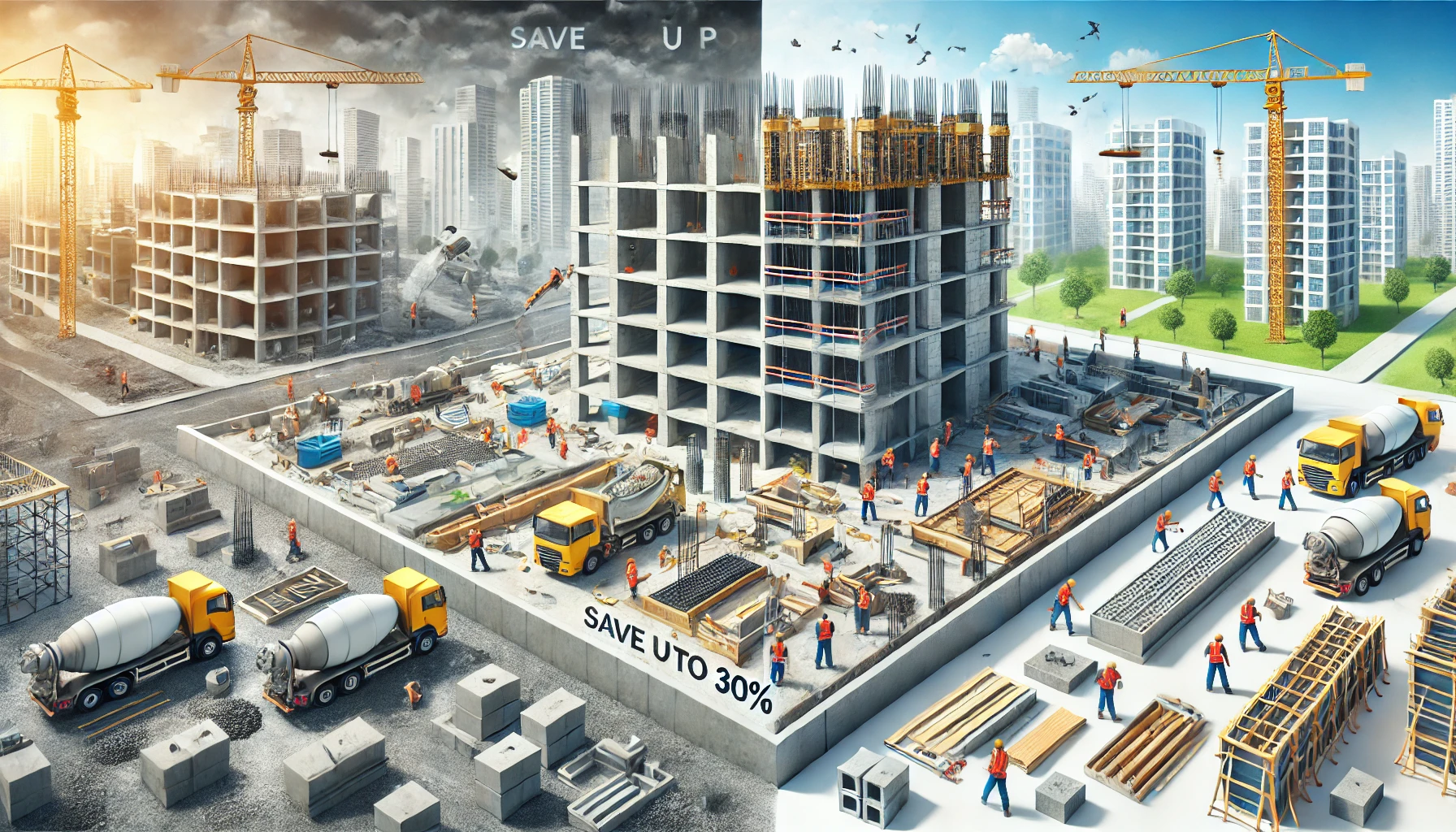
Save Up to 30%: Precast vs. Traditional Construction Costs

In today’s fast-paced construction industry, time and money are everything. Whether it’s a high-rise, a bridge, or a commercial complex, efficiency is key. With rising material prices and labor shortages, contractors are constantly looking for cost-effective alternatives without compromising quality.

Enter precast detailing—a modern construction approach that promises faster project timelines, lower costs, and improved durability. But how does it stack up against traditional methods?

We’ve done the research, crunched the numbers, and found that precast detailing can reduce costs by up to 30%, cut project timelines in half, and significantly lower labor expenses.

Let’s dive into a detailed cost comparison, efficiency analysis, and real-world savings breakdown so you can decide which method is best for your next project.

Key Takeaways: Why Precast Wins

Up to 30% cheaper than traditional construction
50% faster project completion time
15% less material waste, reducing environmental impact
30-40% lower labor costs due to factory-controlled production
Stronger, more durable structures with minimal maintenance

What is Precast Detailing?

Precast detailing is a modern construction technique where concrete components are cast off-site in a controlled factory setting. These pieces are then transported to the site and assembled like LEGO blocks, eliminating many challenges faced in traditional on-site construction.

How Precast Works

  1. Design & Digital Modeling – Engineers create precise 3D models of each component.
  2. Factory Production – Concrete is poured in temperature-controlled conditions, ensuring zero weather delays and minimal waste.
  3. Transportation & Assembly – The precast elements are delivered and quickly assembled on-site, cutting project timelines significantly.

🔹 Why It’s Cost-Effective: No weather-related delays, fewer workers needed, and zero material miscalculations.

💡 Want to learn more about how precast eliminates costly on-site errors? Read this guide.

Traditional Construction: Why It’s More Expensive

Traditional construction involves pouring concrete on-site, which may seem straightforward, but the reality is far more complex—and costly.

Problems with Traditional Methods:

Higher Labor Costs: Requires more on-site workers, increasing expenses.
Weather Delays: Rain, extreme temperatures, and humidity slow down construction.
Material Waste: More concrete is wasted due to miscalculations and rework.
Longer Build Time: Construction is delayed while waiting for concrete to dry and cure.

🔹 Why It’s Inefficient: Unpredictability, waste, and delays lead to higher overall project costs.

Precast vs. Traditional: Cost Breakdown

To understand the financial impact, here’s a direct cost comparison between precast detailing and traditional construction:

Cost FactorPrecast DetailingTraditional ConstructionSavings (%)
Material CostsLower (bulk production)Higher (on-site mixing)15%
Labor CostsLower (factory-controlled)Higher (on-site workers)30-40%
Construction Time50% fasterDelayed (weather, labor)50%
Maintenance CostsLowerHigher20%
Waste ReductionHigh efficiencyHigh waste15%

📌 Potential Savings: Up to 30% of total project costs!

💡 Want to know more about quality control in precast construction? Read this detailed evaluation.

Speed & Efficiency: How Precast Saves Time & Money

Time is money in construction. Every extra day means higher labor costs, extended deadlines, and lost revenue.

50% faster project completion
Fewer workers needed → Lower labor expenses
No waiting for concrete to dry → Faster project turnover

💡 Real-World Example: A company using precast completed their project in half the time, saving millions in labor costs!

📊 For insights into the latest precast detailing trends in 2025, check out this industry report.

Durability & Long-Term Maintenance Savings

Precast structures aren’t just cost-effective; they’re also built to last.

Higher resistance to weather, corrosion, and wear
Lower maintenance costs compared to traditional concrete
Longer lifespan means fewer repairs over time

💡 Case Study: A precast bridge in the US has lasted over 50 years with minimal maintenance, saving taxpayers millions!

FAQs: Your Questions Answered

1. How much money can I save by using precast instead of traditional methods?
➡ You can save up to 30% in total construction costs, mainly due to lower labor and material waste.

2. Is precast concrete as strong as traditional concrete?
Yes! Precast concrete is often stronger because it’s produced in controlled factory conditions, ensuring perfect consistency and durability.

3. Does precast detailing require special installation?
Not really. It’s different, but actually easier and faster than traditional construction.

4. Are there hidden costs with precast?
➡ The initial costs may seem higher, but you save significantly on labor, waste, and time—making it cheaper overall.

5. Can precast be used in home construction?
Absolutely! Many modern homes use precast panels for faster, more cost-effective, and energy-efficient construction.

Final Thoughts: Why Precast is the Future of Cost Savings

Precast saves money—up to 30% in total costs.
It’s faster, stronger, and more efficient than traditional methods.
Less waste, lower labor costs, and better durability mean long-term savings.

🔹 Thinking about switching to precast for your next project?

🚀 Explore our precast detailing services and projects and see how we can revolutionize your construction strategy!

Learn about Precast Concrete Components: Benefits, Types & Construction Guide

Important Factors to Consider When Choosing H-Beams for Heavy Loads

H-beams are essential in modern construction due to their ability to support heavy loads while maintaining structural integrity. These beams are widely used in skyscrapers, bridges, industrial facilities, and other large-scale infrastructure projects. As the demand for durable and high-performance construction materials grows, selecting the right H-beams has become more critical than ever. Material quality, load-bearing capacity, corrosion resistance, and industry standards determine safety, longevity, and cost-efficiency in construction. With advancements in steel manufacturing and sustainable construction practices, choosing the best H-beams requires an informed approach.

H-Beams and Their Importance

What Are H-Beams?

H-beams are structural steel beams with a cross-sectional shape resembling the letter “H.” Unlike I-beams, which have a narrower flange, H-beams offer wider flanges and greater load distribution capabilities. These features make them ideal for applications requiring high strength and stability. The wider flanges of H-beams allow them to support more weight without warping or bending, making them a preferred choice for heavy-duty structures.

Why H-Beams Are Essential for Heavy Loads

Construction projects that involve high load-bearing requirements rely on H-beams for their superior strength and durability. Their wide flanges provide better weight distribution, reducing stress on individual components. H-beams provide essential structural support in high-rise buildings, bridge construction, and industrial frameworks, ensuring stability and load distribution. Their structural integrity helps withstand external forces such as wind, seismic activity, and constant load pressure.

Key Factors to Consider When Choosing H-Beams

Load-Bearing Capacity

One of the most important aspects of selecting H-beams is determining their load-bearing capacity. Engineers must consider factors such as beam size, weight distribution, and bending stress to ensure the structure can support the intended load. Different projects require different load-bearing capabilities, and using an undersized H-beam can compromise safety. Structural calculations, including moment of inertia and section modulus, help in choosing the correct beam dimensions for optimal performance.

Material and Manufacturing Quality

The quality of the material used in H-beams directly impacts their durability and performance. Common materials include carbon steel, alloy steel, and stainless steel, each offering distinct benefits. High-quality manufacturing processes ensure that H-beams meet industry standards such as ASTM A992, which is commonly used in structural applications. Selecting beams that adhere to these standards guarantees strength, consistency, and resistance to wear over time.

Beam Size and Dimensions

Choosing the right beam size is crucial for the stability and efficiency of any structure. The width of the flanges, the thickness of the web, and the overall height of the beam all influence its load capacity. Oversized beams may increase material costs unnecessarily, while undersized beams may lead to structural failure. Engineers must assess the specific needs of their projects to determine the most suitable H-beam dimensions.

Corrosion Resistance and Coating Options

In environments exposed to moisture, chemicals, or extreme weather conditions, corrosion resistance becomes a key consideration. H-beams can be protected through various coatings and treatments, including galvanization, epoxy coatings, and powder coatings. These protective measures extend the lifespan of the beams and reduce maintenance costs. Selecting the right coating depends on the environmental conditions in which the beams will be used.

Cost and Budget Considerations

Balancing cost and quality is essential when selecting H-beams. While high-quality materials and coatings may increase the initial investment, they often provide long-term savings by reducing maintenance and replacement costs. Understanding the pricing factors, such as material type, size, and treatment, allows for better financial planning. Investing in durable H-beams ensures structural safety without unnecessary expenses.

Industry Trends and Innovations in H-Beam Manufacturing

Sustainable and Eco-Friendly Steel Production

The construction industry is increasingly adopting sustainable practices, and steel manufacturing is no exception. Green steel initiatives aim to reduce carbon emissions and promote environmentally friendly production methods. The recyclability of steel makes H-beams a sustainable choice for construction, contributing to the circular economy. As the industry moves toward eco-conscious solutions, choosing sustainably produced H-beams supports long-term environmental goals.

Advanced Fabrication and Customization

Technological advancements in steel fabrication have led to more precise and efficient production methods. CNC cutting, laser welding, and automated machining allow for custom H-beam fabrication tailored to specific project needs. These innovations ensure greater accuracy, reduced material waste, and enhanced structural performance. Customization options enable engineers to design H-beams that meet unique specifications, optimizing load-bearing capacity and overall efficiency.

Key Takeaway

H-beams for heavy loads require careful consideration of several factors, including load-bearing capacity, material quality, size, corrosion resistance, and budget constraints. As the construction industry evolves, advancements in steel manufacturing and sustainable practices continue to influence the selection process. These elements and staying informed about industry trends allows engineers and project managers to make educated decisions that improve structural safety, efficiency, and longevity.

Expert Guide to Groundworks Near Fowey: What You Need to Know

Whether you’re planning a new construction project, installing drainage systems, or landscaping a property, groundworks play a crucial role in setting a strong foundation. For those looking for reliable groundworks near Fowey, understanding the process, available services, and key considerations is essential.

In this comprehensive guide, we’ll explore everything you need to know about groundworks, including the types of services offered, how to choose the best contractor, cost factors, and expert tips for a successful project.


What Are Groundworks and Why Are They Important?

Defining Groundworks

Groundworks refer to the initial stage of any construction project, involving site preparation, foundation laying, and essential infrastructure installation. Without proper groundwork, buildings and landscapes risk instability and long-term structural issues.

Key Benefits of Professional Groundworks

  • Ensures structural integrity for buildings and outdoor spaces
  • Prepares land for construction through excavation and leveling
  • Improves drainage systems to prevent water damage
  • Supports utility installations, including gas, electricity, and plumbing
  • Enhances landscaping with retaining walls, driveways, and paving

Types of Groundworks Services Near Fowey

1. Site Clearance and Preparation

Before any construction begins, the site must be cleared of debris, trees, and old structures. This process includes:

  • Land clearing
  • Waste disposal
  • Soil testing and analysis

2. Excavation and Earthworks

Excavation involves removing soil to prepare for foundations, basements, and underground utilities. Earthworks may include:

  • Trenching
  • Land grading
  • Compaction

3. Foundation Laying

A strong foundation is critical for any structure. Groundworks contractors near Fowey offer different foundation types, including:

  • Strip foundations
  • Raft foundations
  • Piled foundations

4. Drainage Solutions

Proper drainage prevents flooding and water damage. Common drainage services include:

  • Soakaways
  • Land drainage systems
  • Stormwater management

5. Utility and Infrastructure Installation

Groundworks also involve laying essential utilities such as:

  • Water pipes
  • Gas lines
  • Electrical conduits

6. Landscaping and Hardscaping

Beyond construction, groundworks contractors assist with:

  • Driveways and patios
  • Retaining walls
  • Turfing and garden preparation

How to Choose the Best Groundworks Contractor Near Fowey

1. Check Experience and Credentials

A reputable contractor should have:

  • Years of industry experience
  • Relevant certifications and accreditations
  • Insurance coverage for liability and workers

2. Read Reviews and Testimonials

Look for feedback from past clients to assess reliability and quality of work.

3. Get Multiple Quotes

Compare prices and services to find the best value for your project.

4. Ask About Equipment and Techniques

A good contractor should have modern machinery and follow the latest construction standards.

5. Review Past Projects

Ask to see a portfolio of completed groundworks projects to gauge the contractor’s expertise.


Cost Factors for Groundworks Near Fowey

1. Site Accessibility

Difficult terrain or limited access can increase costs due to additional machinery or labor requirements.

2. Soil Type and Condition

Certain soil conditions, like clay or rocky terrain, may require specialized excavation techniques.

3. Project Size and Complexity

Larger, more complex projects require more materials, time, and skilled labor, affecting overall costs.

4. Required Permits and Regulations

Some groundwork projects need planning permissions and compliance with environmental regulations.


Expert Tips for Successful Groundworks Projects

1. Plan Ahead

  • Conduct soil surveys before starting any project.
  • Obtain necessary permits in advance.

2. Work With Local Contractors

Hiring a contractor familiar with Fowey’s terrain and building regulations ensures a smoother process.

3. Consider Long-Term Maintenance

Ensure proper drainage and foundation work to minimize future repairs.

4. Communicate Clearly

Maintain regular communication with your contractor to keep the project on track.


Conclusion

Investing in professional groundworks near Fowey ensures the stability and success of any construction or landscaping project. From site preparation to drainage solutions, choosing an experienced contractor can make all the difference.

Are you looking for expert groundworks services in Fowey? Get in touch with a trusted local contractor today to discuss your project needs!

Precast Concrete Components: Benefits, Types & Construction Guide

Precast concrete components are revolutionizing construction, making projects faster, stronger, and more cost-effective. But how exactly do they work, and why are they gaining popularity worldwide?

This skyscraper-style guide will take a deep dive into everything you need to know about precast concrete components—what they are, how they compare to traditional construction methods, their benefits, types, and real-world applications.

By the end of this article, you’ll understand why precast concrete is the future of construction.

Key Takeaways

✅ Precast concrete components are manufactured off-site in controlled environments and assembled at the construction site.
✅ They include beams, slabs, walls, columns, stairs, and facades, among others.
✅ Compared to traditional cast-in-place concrete, precast construction is faster, stronger, and more cost-efficient.
✅ Precast concrete components reduce material waste and offer better quality control.
✅ Used in residential, commercial, industrial, and infrastructure projects, including skyscrapers, bridges, tunnels, and stadiums.
✅ Advances in technology and automation are making precast concrete even more efficient and customizable.

What Are Precast Concrete Components?

Precast concrete components are structural elements manufactured in a controlled factory setting before being transported to the construction site. Instead of pouring concrete on-site— which can be time-consuming and error-prone—these components are made with high precision, cured under optimal conditions, and delivered ready to install.

Think of them as Lego blocks for construction—modular, efficient, and easy to assemble.

Precast Concrete vs. Cast-in-Place Concrete: What’s the Difference?

FeaturePrecast ConcreteCast-in-Place Concrete
Manufacturing LocationFactory-made under controlled conditionsPoured and cured on-site
Construction TimeFaster—components are pre-madeSlower—concrete must be poured and set
Quality ControlHigh—uniform production standardsVariable—depends on weather and site conditions
DurabilityStronger—optimized curing processMay be weaker due to external factors
Environmental ImpactLess waste, more efficientHigher material wastage

🔗 Related Read: How Precast Detailing Prevents Costly Errors in Construction

Why Use Precast Concrete Components?

1️⃣ Faster Construction

Since precast elements are pre-made, builders only need to assemble them on-site, reducing construction time by 30% to 50% compared to traditional methods.

2️⃣ Superior Strength & Durability

Precast concrete is stronger than cast-in-place concrete due to precise curing conditions. This makes it more resistant to weather, fire, and heavy loads.

3️⃣ Cost Savings

  • Less labor required → Lower workforce costs.
  • Reduced construction time → Faster project completion.
  • Minimal material waste → More cost-effective in the long run.

4️⃣ Better Quality Control

Precast components are manufactured under strict standards and tested before being transported, ensuring flawless installation and minimal defects.

5️⃣ Eco-Friendly & Sustainable

  • Uses less water and raw materials.
  • Reduces onsite pollution and waste.
  • Many manufacturers use recycled materials to make precast components.

🔗 Industry Insights: 2025 Trends in Precast Concrete Construction

Types of Precast Concrete Components

Precast concrete isn’t one-size-fits-all. It comes in different forms, each designed for specific construction needs.

1. Precast Beams

Used for supporting structures like roofs, bridges, and highways.
Types: I-beams, T-beams, L-beams
Applications: Bridges, stadiums, high-rise buildings

2. Precast Slabs

These flat concrete panels form the floors and ceilings of buildings.
Types: Hollow-core slabs, solid slabs, double-T slabs
Applications: Parking garages, skyscrapers, industrial buildings

3. Precast Walls

Precast walls can be load-bearing or decorative, providing structural support and insulation.
Types: Load-bearing walls, insulated panels, architectural panels
Applications: Homes, malls, offices

4. Precast Columns

Vertical elements designed to carry heavy loads from beams and slabs.
Applications: Multi-story buildings, bridges, tunnels

5. Precast Stairs & Facades

  • Stairs: Quickly installed for residential, commercial, and industrial buildings.
  • Facades: Enhance exterior aesthetics with durable, customized designs.

🔗 Case Study: How Precast Concrete Transformed the Western Harbour Tunnel

How Are Precast Concrete Components Made?

The manufacturing process ensures precision, durability, and superior quality. Here’s how it works:

1️⃣ Mold Creation → A customized mold is prepared.
2️⃣ Concrete Pouring → High-strength concrete mix is poured into the mold.
3️⃣ Reinforcement → Steel bars or fibers are added for extra strength.
4️⃣ Curing → The concrete cures under optimal conditions for maximum durability.
5️⃣ Quality Control → Each component is tested for strength and precision.
6️⃣ Transportation & Installation → Ready components are shipped and assembled on-site.

🔗 More Insights: Innovations in Precast Concrete Manufacturing

Real-World Applications of Precast Concrete

Precast concrete is used in virtually every type of construction, including:

🏠 Residential Buildings → Apartments, townhouses, and custom homes.
🏢 Commercial Spaces → Offices, malls, and entertainment centers.
🌉 Infrastructure Projects → Bridges, tunnels, highways.
🏗 Industrial Facilities → Factories, warehouses, power plants.
🏟 Public & Recreational Spaces → Stadiums, parks, hospitals.

🔗 Explore More: How Precast Concrete is Reshaping Modern Architecture

Frequently Asked Questions (FAQs)

1. Is Precast Concrete More Durable Than Traditional Concrete?

Yes! Precast concrete is cured in optimal conditions, making it stronger, denser, and more durable than cast-in-place concrete.

2. How Long Does Precast Concrete Last?

With proper maintenance, precast concrete structures can last 50 to 100 years.

3. Is Precast Concrete More Expensive?

While the initial cost may be higher, faster construction and reduced labor costs make precast concrete more cost-effective in the long run.

4. Can Precast Concrete Be Customized?

Absolutely! It can be custom-designed in different shapes, sizes, colors, and finishes.

Final Thoughts: Why Precast Concrete is the Future of Construction

Precast concrete components streamline construction, improve quality, and save time and money. With innovative technology and growing sustainability efforts, precast concrete is shaping the future of modern architecture.

💡 Need Expert Precast Detailing Services? Let’s Talk!
Accurate precast detailing to eliminate costly errors.
Faster project timelines with pre-engineered solutions.
Quality-assured components designed for durability.

Learn about The Role of Recycled Materials in Modern Driveway Construction