
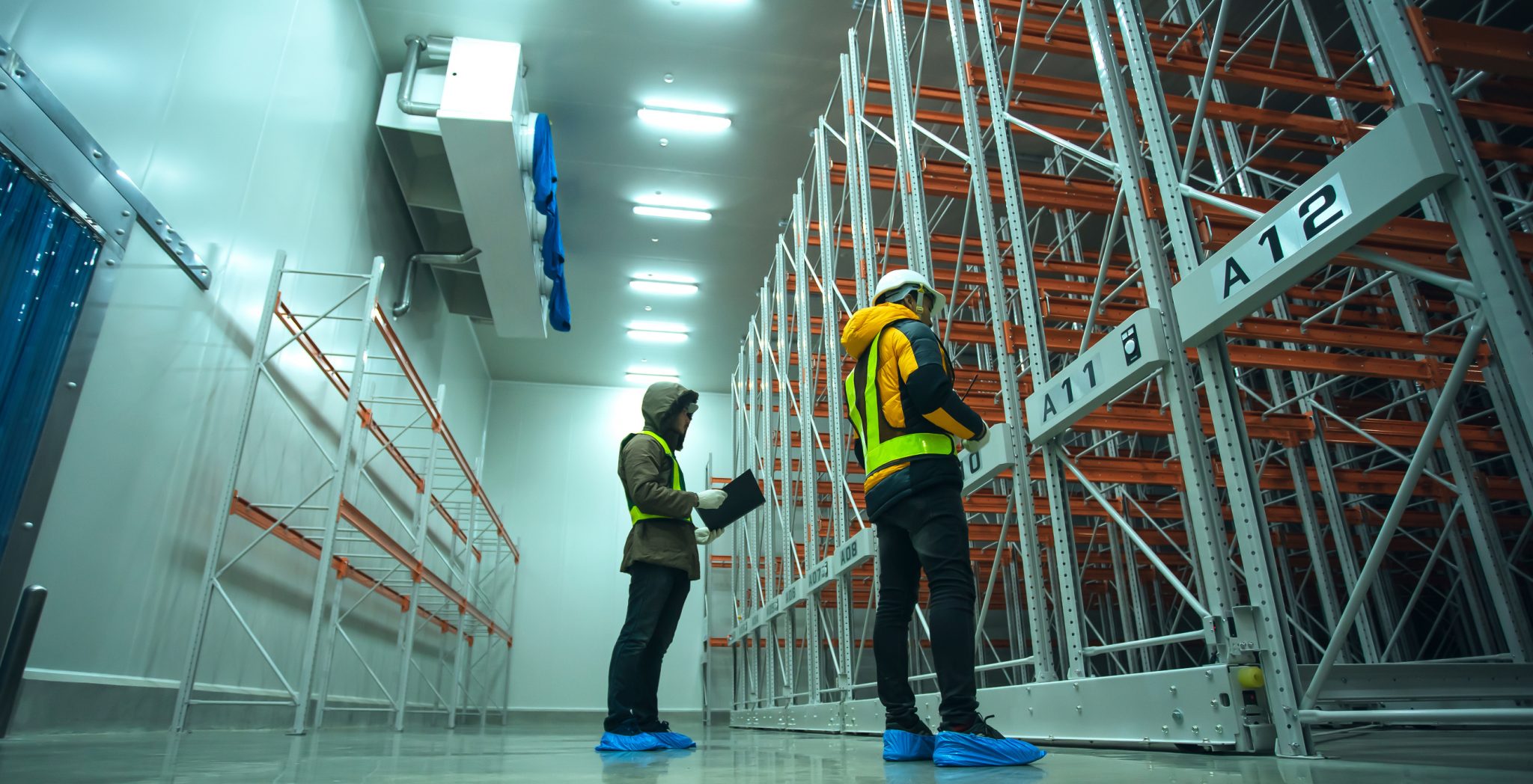
Why Is a Cold Storage Sprinkler System So Critical for Safety?
Although cold storage facilities might appear less susceptible to fire, they have special fire hazards created by the insulation used, intricate refrigeration systems, and electric gear crammed into a confined space.
Both the polystyrene and the polyurethane insulations are commonly used in many of them and can be extremely flammable. Combine this with moisture accumulation and poor ventilation, and you have the perfect conditions for an undetectable fire that’s difficult to extinguish.
Where Do Most Cold Storage Fires Originate?
Cold storage fires tend to start in electrical equipment, specifically poor wiring or overloaded circuits. The other causes are mechanical breakdowns in the refrigeration units and mistakes made during maintenance by humans. Since these fires spread rapidly behind walls and insulation, early suppression is critical.
Why Is a Cold Storage Sprinkler System Critical?
A cold storage sprinkler system is made to sense and extinguish fire without destroying the temperature-sensitive environment. Conventional fire sprinklers may fail or freeze due to cold temperatures; hence, cold storage systems need dry pipe or pre-action systems specially adapted to keep water out of pipes until a fire is identified.
These systems not only safeguard valuable contents kept at below-freezing temperatures but also protect infrastructure, lower insurance premiums, and provide proof of compliance with fire codes. The proper system can be the difference between a minor problem and a facility-wide catastrophe.
Who Regulates Fire Safety in Cold Storage Warehouses?
Fire protection within cold storage warehouses is regulated by a mixture of local regulations and national guidelines like NFPA 13, which addresses sprinkler system installation. OSHA standards and insurance companies can also necessitate close compliance with advanced fire protection technologies.
You can consult a fire safety specialist to ensure that your system meets all these guidelines. Whether you are building a new facility or retrofitting an existing one, design and documentation are not negotiable.
How Do You Select the Proper Sprinkler System?
Choosing the proper fire protection method includes analyzing temperature, storage configuration, insulation type, and product contents. Dry pipe systems are prevalent in freezing conditions, where water is not kept in the pipes until actuation. Pre-action systems provide additional security with two-step authentication prior to releasing water, which prevents accidental discharge and damage to products.
If your building contains flammable liquids or lithium batteries, special considerations like foam-based suppression or deluge systems might be required. A fire protection engineer can conduct a hazard analysis to suggest a customized solution.
What is the Role of Fire Safety in Office Buildings?
While this piece is about cold storage, the larger implications of fire safety for office buildings bear mentioning. From sprinkler coverage to exit signage, all commercial properties are subject to strict regulations. Office buildings tend to make use of wet pipe systems due to their temperate conditions. But whether the problematic space is a frozen warehouse or a business office, the common denominator is an aggressive response to fire safety.
When To Upgrade an Existing System
If your cold storage sprinkler system is more than a decade old, or if your building has been substantially remapped, it’s time to have a thorough system check. Contemporary systems are much more efficient, and vintage systems might not comply with current code standards. Check for corrosion, valve failure, or antiquated detection devices; any one of these might indicate that a critical upgrade is imperative.
FAQs
Q: Is it possible for a cold storage sprinkler system to function at below-zero temperatures?
Yes, pre-action or dry pipe sprinkler systems are specifically intended to work in freezing temperatures by excluding water from the pipes until they are activated.
Q: How often must the system be tested?
Quarterly, regular inspections should be done, and at least once yearly, full functional testing should be performed. Cold storage systems need extra checks on whether water has frozen up in the pipes.
Q: Are sprinklers required by fire codes in all cold storage facilities?
Though requirements differ according to location and size, most contemporary codes require sprinkler systems for buildings over a specified square footage or amount of product. Always check with the local authorities.
Q: What does a frozen and ruptured pipe do?
Frozen pipes will burst, causing extensive water damage and system failure. Dry or pre-action systems are highly advised in such environments as a result.
Q: Is it possible to utilize the same fire system for a cold storage and office?
No. Office complexes and cold storage facilities need distinct fire suppression technologies by temperature, hazard level, and configuration. Having an improper system can lead to non-compliance and greater risk.
Final Thoughts
Fire protection in cold environments is not a one-size-fits-all job. Every system must be engineered to match the thermal, structural, and operational needs of the facility. A properly installed cold storage sprinkler system can protect your assets, people, and peace of mind. Whether you’re running a large warehouse or a specialised storage facility, keeping fire safety top of mind is always a smart investment.
If you’re also responsible for fire safety for office buildings, remember that both cold and warm environments benefit from planning, code compliance, and regular inspections. In both cases, fire doesn’t wait so your safety systems shouldn’t either.