
When the Mind Won’t Sit Still: Living with ADHD in a Noisy World
Understanding the Restlessness of an ADHD Mind
Imagine standing in the middle of a crowded street — voices shouting, traffic blaring, lights flashing — and now imagine all that noise is inside your head. This is often what life feels like for someone with ADHD. While the world demands calm, order, and focus, the ADHD mind buzzes with energy, impulses, and distractions that never really go quiet.
It’s not just about attention. It’s about feeling pulled in too many directions, thinking in too many layers, and trying to navigate a world that isn’t built for that kind of intensity.
Sensory Overload in an Already Loud World
For many with ADHD, the external world can feel unbearably loud — not just literally, but emotionally and mentally. Bright lights, crowded rooms, constant notifications, and the endless pressure to multitask add fuel to the internal chaos.
ADHD isn’t just restlessness; it’s sensitivity. Sounds can feel sharper. Emotions can hit harder. Tasks can seem louder than they actually are. Living in a noisy world doesn’t just challenge focus — it amplifies frustration, exhaustion, and the sense of falling behind.
The Battle Between Urgency and Stillness
Most people with ADHD know they should sit still. They’ve been told since childhood to stop fidgeting, stay seated, focus, and “just try harder.” But trying to force stillness often feels like holding back a tidal wave.
There’s an urgency in the ADHD brain — a need to move, act, fix, touch, create — all at once. This makes silence feel uncomfortable, even threatening. The irony is, while others find peace in quiet, some ADHD minds find clarity in motion. Stillness isn’t always relaxing — sometimes it’s paralyzing.
The Noise No One Sees: Internal Chaos
What’s more exhausting than external noise is the noise that no one sees. The racing thoughts. The looping self-criticism. The constant mental tabs that never close. One moment you’re thinking about a conversation from two years ago, the next you’re planning a grocery list while halfway through writing an email.
This kind of mental fragmentation isn’t always visible, but it deeply impacts everything from relationships to self-esteem. People may assume you’re careless or lazy, when in fact, you’re working twice as hard just to function at a baseline level.
Finding Focus in a Distracted World
Modern life thrives on distraction — scrolling, switching, multitasking. But for ADHD minds, this environment isn’t just difficult — it’s dangerous. It reinforces the very things they struggle with: impulsivity, fragmented attention, overstimulation.
In this world, focusing isn’t just a task — it becomes a rebellion. Finding ways to claim quiet in the chaos is not only necessary but vital. From noise-canceling headphones to digital detoxes, small tools can help regain some sense of control.
Seeking Support in a World That Doesn’t Slow Down
Living with ADHD in a fast-paced world is like trying to swim upstream every single day. You’re doing your best, but everything around you moves in the opposite direction. That’s why support — real, personalized, and non-judgmental — matters.
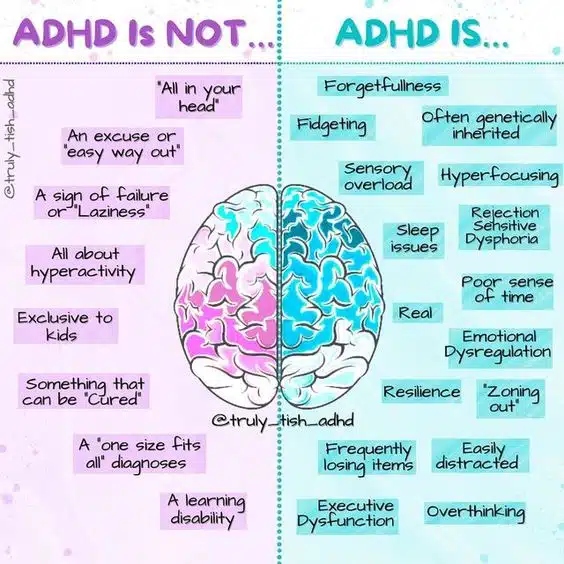
Whether it’s therapy, structure, community, or professional treatment, the path forward is never one-size-fits-all. What works for one brain may not work for another. But one thing is true for all: ADHD doesn’t mean you’re broken — it means your brain simply works differently.
Why Some Turn to Tools Like Adderall
For some, focus-enhancing medications like Adderall are part of the journey. In today’s digital world, even how people Buy Adderall Online has changed. With licensed telehealth platforms and regulated services, access has become easier and more discreet.
But it’s important to emphasize: medication isn’t about “fixing” someone with ADHD. It’s about helping them level the playing field — to function, focus, and breathe a little easier in a world that rarely slows down.
The Strength Behind the Struggle
Yes, the ADHD mind is noisy. But within that noise is creativity, resilience, and an ability to think in ways others can’t. People with ADHD often see patterns no one else sees. They connect ideas across fields. They bring passion and intensity into spaces that desperately need it.
The challenge lies not in silencing the mind — but in learning how to steer it.
Creating a Life that Fits Your Brain
Instead of trying to force yourself into the world’s mold, what if the world made space for different kinds of minds? Imagine workspaces that value movement, schools that adapt learning styles, and relationships that embrace emotional intensity rather than shame it.
It starts with awareness. It grows with compassion. And it flourishes with the tools and support each individual needs.
In a world that rarely pauses, those living with ADHD are often forced to sprint through a mental marathon every day. But even when the mind won’t sit still, there’s hope — in understanding, in support, and in the quiet moments of clarity that shine through the noise.