
What Is Lumbar Radiculopathy? Causes, Symptoms, and Effective Treatments
Lower back pain is a common issue that affects millions of people worldwide, but not all back pain is created equal. When discomfort in the lower back is accompanied by pain that radiates down the leg, it may be more than just a simple strain. One of the most common causes of this type of pain is a condition known as lumbar radiculopathy. Left untreated, it can severely impact mobility, quality of life, and daily function.
Whether you’re newly experiencing symptoms or have been struggling with persistent nerve pain for months, understanding lumbar radiculopathy is a critical step toward healing. This article will guide you through the causes, symptoms, diagnosis, and both non-surgical and surgical treatment options for lumbar radiculopathy—equipping you with everything you need to know to make informed decisions about your spinal health.
Lumbar Radiculopathy
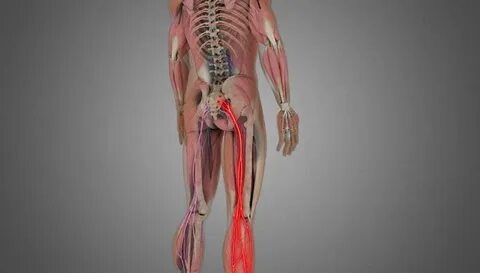
Lumbar radiculopathy refers to a condition where a nerve root in the lower spine (lumbar region) becomes compressed or irritated, resulting in pain, numbness, tingling, or weakness that typically radiates from the lower back down into the leg. Commonly known as sciatica when the sciatic nerve is involved, this condition is often caused by herniated discs, bone spurs, or spinal stenosis that put pressure on one or more lumbar nerve roots.
The hallmark symptom of lumbar radiculopathy is pain that follows a specific nerve path down the leg—often affecting one side of the body. People may also experience muscle weakness, loss of reflexes, or difficulty controlling leg movement. While the pain can range from mild to severe, even moderate symptoms can disrupt your daily routine and prevent you from enjoying an active lifestyle. Prompt diagnosis and treatment can help prevent long-term nerve damage and improve your quality of life significantly.
Causes of Lumbar Radiculopathy
Lumbar radiculopathy can be triggered by several structural issues in the spine, including:
- Herniated Disc: When the soft inner portion of a spinal disc leaks out and compresses a nearby nerve root.
- Degenerative Disc Disease: As discs wear down with age, the resulting instability and inflammation can irritate nerves.
- Lumbar Spinal Stenosis: Narrowing of the spinal canal can pinch the nerves exiting the spine.
- Spondylolisthesis: One vertebra slipping over another can impinge nearby nerves.
- Trauma or Injury: Accidents, falls, or sports injuries can lead to inflammation or disc damage.
- Tumors or Infections: Though rare, these can also press on nerve roots.
Age, repetitive lifting, obesity, and a sedentary lifestyle can increase the risk of developing lumbar radiculopathy.
Symptoms of Lumbar Radiculopathy
The symptoms of lumbar radiculopathy vary depending on the specific nerve root affected, but common signs include:
- Sharp or burning pain that radiates from the lower back into the buttocks, thigh, and leg
- Numbness or tingling in the affected limb
- Muscle weakness in the leg or foot
- Worsening pain with prolonged sitting or standing
- Loss of reflexes in the knee or ankle
- Difficulty walking or performing daily tasks
Pain is typically localized on one side and may improve with rest or certain postures, like lying flat or leaning forward.
Diagnosing Lumbar Radiculopathy
Diagnosing lumbar radiculopathy involves a combination of a thorough medical history, physical examination, and imaging studies:
1. Physical Exam
A neurologic exam tests muscle strength, reflexes, and sensory responses in the legs to identify the affected nerve root.
2. MRI (Magnetic Resonance Imaging)
An MRI is the gold standard for visualizing soft tissues like discs, nerves, and ligaments. It helps identify the exact location and cause of nerve compression.
3. CT Scan
Useful in visualizing bony structures and may be used when MRI isn’t suitable.
4. EMG (Electromyography)
Assesses nerve function and helps rule out other conditions like peripheral neuropathy.
Non-Surgical Treatments
In most cases, lumbar radiculopathy can be managed successfully without surgery. Conservative treatments focus on reducing inflammation, relieving pain, and restoring mobility.
1. Physical Therapy
Customized exercises help strengthen the muscles that support the spine, improve flexibility, and reduce pressure on nerves.
2. Medications
NSAIDs (like ibuprofen), muscle relaxants, and nerve pain medications (like gabapentin) are commonly prescribed.
3. Epidural Steroid Injections
Steroids injected directly into the spinal canal can reduce inflammation around the nerve root, offering temporary relief.
4. Chiropractic Care and Acupuncture
These alternative therapies may offer symptom relief for some patients, though evidence is mixed.
5. Activity Modification
Avoiding heavy lifting, improving posture, and practicing spine-safe movements can prevent symptom flare-ups.
When Is Surgery Recommended?
Surgery is generally considered when conservative treatments fail after several weeks or months, or if there are signs of worsening nerve damage, such as:
- Progressive weakness
- Loss of bladder or bowel control (a medical emergency)
- Severe pain that impairs daily life
Common Surgical Procedures for Lumbar Radiculopathy:
- Microdiscectomy: Minimally invasive removal of the herniated portion of a disc that’s pressing on the nerve.
- Laminectomy: Removal of part of the vertebra (lamina) to relieve nerve compression from spinal stenosis.
- Spinal Fusion: Fusing two or more vertebrae to stabilize the spine in cases of instability or spondylolisthesis.
These procedures are generally safe and effective, with high success rates and relatively quick recovery times when performed by an experienced spine surgeon.
Recovery and Long-Term Management
Most patients recover well from lumbar radiculopathy, whether treated conservatively or surgically. Recovery time varies depending on the severity of the condition and the chosen treatment method.
Post-Treatment Tips:
- Continue physical therapy to maintain strength and flexibility
- Avoid sitting or standing for long periods
- Use proper body mechanics when lifting or moving
- Stay active with low-impact exercises like walking, swimming, or yoga
- Maintain a healthy weight to reduce stress on the spine
Routine follow-ups with your healthcare provider are important to monitor progress and prevent recurrence.
Lumbar Radiculopathy Treatment
Effective lumbar radiculopathy treatment involves addressing both the cause and symptoms of the condition. While most cases can be managed with physical therapy, medications, and spinal injections, more severe instances may require surgery to remove the source of nerve compression. Treatment should be tailored to each individual’s specific anatomy, lifestyle, and overall health. By working closely with a spine specialist, patients can regain strength, alleviate pain, and return to the activities they enjoy. Early diagnosis and intervention play a critical role in preventing long-term nerve damage and ensuring a positive outcome.
Conclusion
Lumbar radiculopathy is a condition that can profoundly affect your quality of life, but it is also highly treatable when diagnosed early and managed appropriately. Whether caused by a herniated disc, spinal stenosis, or degenerative spine disease, the key to effective treatment lies in understanding the root cause and pursuing a personalized care plan.
Ignoring symptoms like radiating leg pain, numbness, or weakness can lead to long-term nerve damage and reduced mobility. If you’re experiencing any of these signs, don’t delay—consult a qualified back or spine specialist for an accurate diagnosis and tailored treatment approach.
Modern medical advances have made it easier than ever to diagnose and treat lumbar radiculopathy effectively. With the right treatment, most patients can expect significant relief and a return to normal function. Take control of your spinal health today, and don’t let back pain keep you from living your life to the fullest.
SEO Summary:
- Lumbar radiculopathy occurs when nerve roots in the lower spine are compressed, causing radiating leg pain and weakness.