
Vehicle Lashing in Dubai: Everything You Need to Know
Safe vehicle transportation is a critical part of logistics in Dubai. With the city being a major trade and transport hub in the Middle East, the proper securing of vehicles during transit is essential. This is where vehicle lashing plays a key role. This guide explains what vehicle lashing is, why it’s important, and how it works in Dubai’s logistics industry.
What Is Vehicle Lashing?
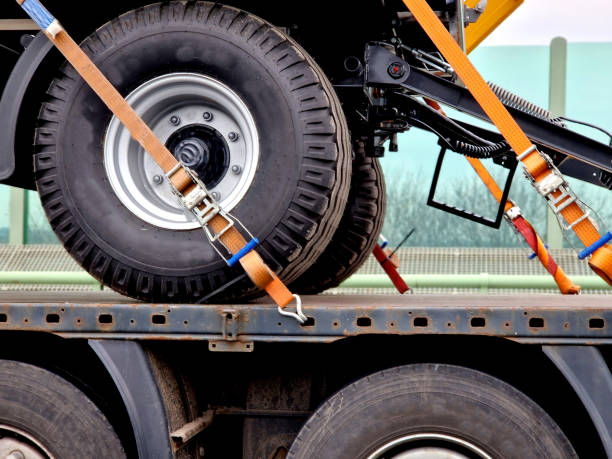
Vehicle lashing is the process of securing a vehicle to prevent it from moving during transportation. Whether a car is shipped by sea, land, or air, it needs to stay firmly in place.
Purpose of Vehicle Lashing
The main purpose of vehicle lashing is safety. It prevents vehicles from shifting, rolling, or getting damaged while being moved from one place to another. It also protects the surrounding cargo and transport equipment.
Materials Used in Lashing
Lashing can involve different tools and materials. These may include:
- Ropes or straps (made of polyester or nylon)
- Chains
- Wire ropes
- Turnbuckles and hooks
Each material is selected based on the type and size of the vehicle and the transport method.
Importance of Vehicle Lashing in Dubai
Dubai handles a large volume of vehicle imports and exports. Vehicle lashing plays a vital role in ensuring the safety of this cargo during transport.
Growing Logistics Industry
Dubai has become a key center for international trade. Ports like Jebel Ali handle thousands of vehicle shipments monthly. Proper lashing is crucial to handle this high demand safely.
Compliance with Safety Regulations
Dubai follows strict transport and logistics standards. Proper lashing ensures compliance with both local and international safety regulations. Non-compliance can lead to fines or cargo rejection.
Protecting High-Value Cargo
Many vehicles transported through Dubai are luxury or high-value cars. Any damage due to poor lashing can result in significant financial losses. Reliable lashing prevents such risks.
Common Methods of Vehicle Lashing
Different lashing techniques are used depending on the size and type of vehicle. Here are the most common methods seen in Dubai:
Wheel Lashing
This is the most widely used method. Straps are passed over the wheels and anchored to the trailer or container floor. It’s ideal for cars and SUVs.
Axle Lashing
In this method, the straps go over or around the axle. This provides a firm grip and is useful for vehicles that cannot be lashed by wheels alone.
Chassis Lashing
For heavy vehicles or machinery, the lashing is applied directly to the chassis. It offers strong support during long-distance travel.
Multi-Point Lashing
High-end or delicate vehicles often require more than one lashing point. Multi-point systems distribute tension evenly to avoid stress on any single part of the vehicle.
Where Vehicle Lashing Is Commonly Used in Dubai
Vehicle lashing is applied in various transport settings across Dubai, depending on the destination and mode of transport.
Ports and Marine Transport
Vehicles being exported via sea are loaded into containers or roll-on/roll-off (RoRo) vessels. Lashing in these settings must meet marine safety standards.
Truck and Trailer Transport
Vehicles transported over land within the UAE or to neighboring GCC countries are often lashed onto flatbed trailers. Road regulations require secure lashing to prevent road hazards.
Air Cargo Terminals
Although less common, some high-value or urgent vehicles are transported by air. These need precise lashing and positioning to meet aviation safety protocols.
Challenges in Vehicle Lashing
Even with the right tools and experience, several challenges can affect the lashing process in Dubai.
Extreme Temperatures
Dubai’s heat can affect the strength and flexibility of lashing straps. Materials must be selected carefully to withstand high temperatures without weakening.
Sand and Dust Exposure
Frequent sandstorms or dusty environments can interfere with lashing equipment. Regular inspection and cleaning are important to maintain secure ties.
Heavy Vehicle Loads
Some shipments include trucks, buses, or construction vehicles. These require strong lashing solutions and expert handling due to their weight and bulk.
Best Practices for Vehicle Lashing
To ensure effective lashing, professionals in Dubai follow several key practices.
Use of Certified Equipment
Only lashing tools and materials that meet safety standards are used. This includes checking weight capacity and tensile strength before use.
Regular Inspection and Maintenance
Lashing tools are checked before every use. Worn or damaged items are replaced to prevent failure during transit.
Trained Personnel
Experienced teams handle vehicle lashing in Dubai. Their training ensures proper technique and understanding of vehicle balance.
Documentation and Tracking
Each shipment includes lashing verification, photos, and paperwork. This adds an extra layer of accountability and safety assurance.
Environmental and Legal Considerations
Lashing must also meet legal and environmental standards in Dubai.
Local Regulations
Dubai authorities, such as Dubai Customs and DP World, enforce strict rules for cargo handling. All lashing operations must comply with their guidelines.
Environmental Impact
Using reusable or eco-friendly lashing materials helps reduce environmental impact. Proper disposal of worn-out materials is also a growing concern in the industry.
Future of Vehicle Lashing in Dubai
As the UAE continues to expand its trade and logistics sectors, vehicle lashing practices will evolve with it.
Adoption of Automation
Some logistics firms are beginning to explore automated lashing systems. These reduce human error and improve speed and safety.
Smart Monitoring Systems
Sensors and IoT devices are being tested to track the tension and condition of lashing straps in real time. This adds extra security to long shipments.
Advanced Training Programs
More institutions are offering training on cargo securing and safety practices. This is expected to increase skilled labor in this niche field.
Conclusion
Vehicle lashing is an essential part of the transportation and logistics industry in Dubai. It ensures the safe, compliant, and damage-free delivery of vehicles across land, sea, and air routes. With growing trade volumes and technological advancements, lashing techniques and materials continue to improve. For industries and transporters working in or through Dubai, understanding the principles and best practices of vehicle lashing is crucial.