
Unlocking Peak Performance: The Science Behind VO2 Max
When athletes and fitness enthusiasts talk about pushing their limits, one term frequently comes up: VO2 max. Whether you’re training for a marathon, cycling competition, or simply trying to improve your health, understanding VO2 max and its impact on performance is crucial. This article explores the science behind VO2 max, its significance, and how you can use it to optimize your physical potential.
What is VO2 Max?
VO2 max, or maximal oxygen uptake, refers to the maximum amount of oxygen the body can utilize during intense exercise. It is commonly used as a key indicator of cardiovascular fitness and endurance. The higher the VO2 max, the more oxygen your body can take in and use during strenuous activity.
How VO2 Max Works
The lungs take in oxygen from the air and transfer it into the bloodstream.The heart pumps oxygenated blood throughout the body, delivering oxygen to muscles and tissues.Muscles use the oxygen carried by blood to produce energy during exercise through cellular respiration.VO2 max is determined by how well these systems function together. It’s influenced by factors such as lung capacity, heart efficiency, and the ability of muscles to utilize oxygen. In essence, someone with a high VO2 max can exercise at higher intensities for longer durations without fatiguing as quickly.
How to Measure VO2 Max
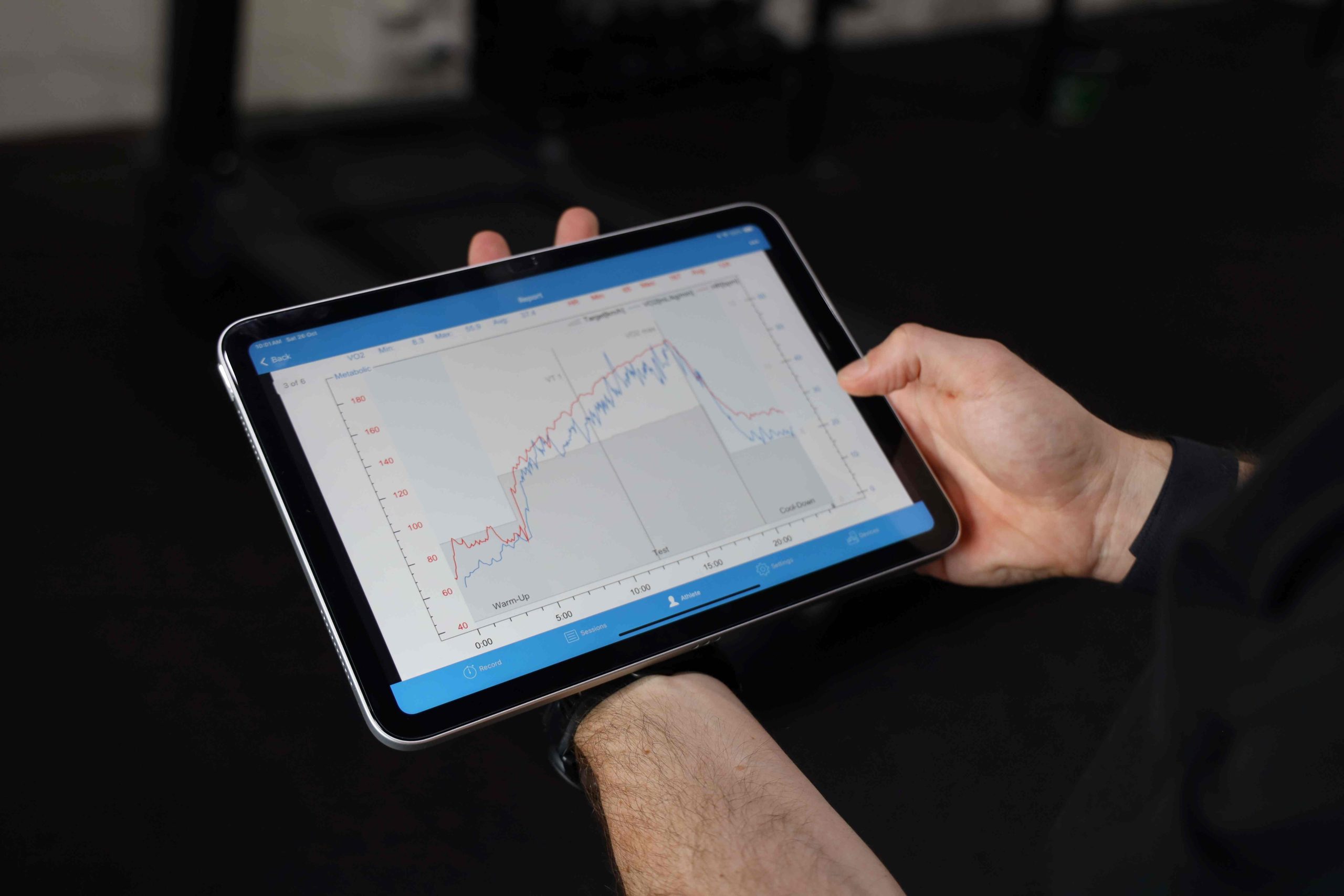
VO2 max is typically measured in a laboratory setting during a graded exercise test (GXT), where an individual performs progressively more difficult physical activity (often on a treadmill or cycle ergometer) while their oxygen consumption is measured. The test continues until the person reaches exhaustion.
Factors Affecting VO2 Max
Genetics play a significant role in determining your baseline VO2 max. Some people may be born with a naturally higher capacity for oxygen uptake and cardiovascular efficiency. VO2 max generally declines with age, particularly after the age of 30. However, training can mitigate this decline to a degree.Men typically have a higher VO2 max than women, due to differences in body composition (more muscle mass and less fat) and cardiovascular physiology.
Improving VO2 Max
Although your genetics largely determine your baseline VO2 max, it’s still possible to improve it through targeted training. Here are some strategies to help boost your VO2 max.Consistent long-duration aerobic exercises (running, cycling, swimming) improve cardiovascular function and increase the body’s ability to utilize oxygen. Short bursts of intense activity followed by periods of rest or low-intensity exercise have been shown to enhance VO2 max. HIIT stimulates the body to adapt by improving cardiovascular capacity and muscle oxygen uptake.
The Benefits of a High VO2 Max
Having a high VO2 max comes with several benefits, even beyond athletic performance.A higher VO2 max allows for longer, more intense workouts and better overall physical performance. A high VO2 max is a sign of a healthy heart and vascular system, reducing the risk of heart disease and improving overall heart function.
Conclusion
VO2 max is a vital metric for understanding your cardiovascular fitness and aerobic endurance. Whether you’re an elite athlete looking to gain an edge or someone who simply wants to improve overall health, increasing VO2 max can have a significant impact on performance. With consistent training, proper nutrition, and recovery, you can unlock your peak performance and elevate your physical potential.