
Understanding the SPDT Switch: Functionality, Applications, and the Future of Switching Technology
What Is an SPDT Switch and Why It Matters
In every electrical system, precision and control are key—and that’s where the SPDT switch comes in. Known as the Single Pole Double Throw switch, this device serves as one of the most important elements in both simple and complex circuits. It allows one input to toggle between two outputs, enabling users to control multiple circuit paths with a single action.
From light dimmers to industrial automation, the spdt switch forms the backbone of reliable and flexible electrical systems. It helps route current, select power sources, and manage operational states across countless applications. For engineers and manufacturers, understanding this switch’s capabilities is essential to designing efficient and responsive systems.
How an SPDT Switch Works
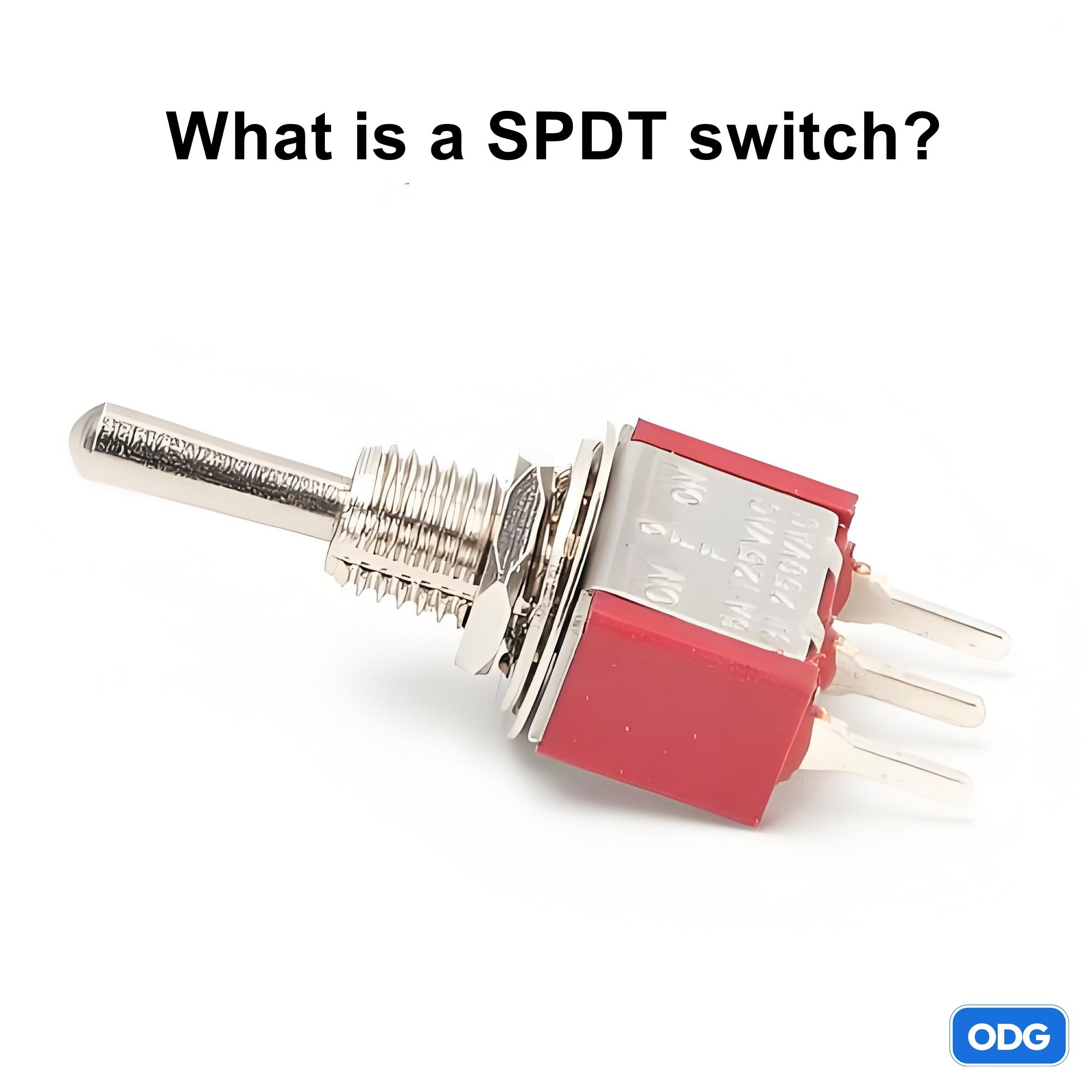
At its core, an SPDT switch has three terminals: one common terminal (C) and two output terminals—Normally Open (NO) and Normally Closed (NC). When the switch is toggled, the common terminal connects to one output or the other.
Think of it as a rail switch: when the lever moves, the train (current) is directed to one of two tracks (circuits). This mechanism makes the SPDT switch perfect for applications where signals, current paths, or voltage levels must be redirected quickly and safely.
For instance, an SPDT switch in a home appliance might allow the user to switch between battery and wall power, while in industrial machinery, it can redirect signals to control different motor speeds or functions.
Different Types of SPDT Switches
The versatility of an SPDT switch lies in the variety of types available, each designed for specific uses and environments.
1. Toggle SPDT Switch
Perhaps the most familiar type, toggle switches feature a physical lever that users flip to change the circuit’s path. These are often found in control panels and household devices due to their tactile feedback and reliability.
2. Slide SPDT Switch
Compact and simple, slide switches are common in electronic gadgets, such as audio equipment or small appliances, where space and precision matter.
3. Rocker SPDT Switch
Rocker switches use a seesaw-like motion and are popular in automotive and marine applications, where quick and secure operation is essential.
4. Relay-Based SPDT Switch
A relay SPDT switch operates electromagnetically, allowing remote or automated control over circuits. This type is widely used in automation systems, HVAC controls, and telecommunications.
Key Specifications to Consider
Selecting the right SPDT switch requires attention to certain technical parameters that determine performance and safety.
- Voltage and Current Ratings: Every SPDT switch has a maximum voltage and current it can safely handle. Matching these ratings with system requirements ensures long-term reliability.
- Contact Material: Materials like silver alloy or gold plating are used to enhance conductivity and durability.
- Actuation Type: Manual, mechanical, or electronic actuation options cater to different levels of control.
- Mounting Style: Panel, PCB, or surface mount options determine how the switch integrates into your system.
Understanding these specifications helps engineers and technicians choose the most efficient and durable switch for their projects.
Applications Across Industries
The SPDT switch is a true universal component, finding its place across various sectors.
Consumer Electronics
In devices like speakers, lamps, and fans, SPDT switches allow users to control modes, power levels, or sources with a simple flick.
Industrial Automation
Factories and assembly lines rely heavily on SPDT switches for machine control, signal routing, and safety interlocks. Their precision and resilience make them indispensable in harsh operating environments.
Automotive Systems
Modern vehicles use SPDT switches in lighting systems, window controls, and electronic steering mechanisms. They ensure quick response and operational reliability even under continuous use.
Aerospace and Defense
In mission-critical systems, SPDT switches provide dependable switching under extreme conditions. Their certified quality and precise design make them a trusted component for control systems and instrumentation.
Maintenance and Troubleshooting Tips
Like all electrical components, SPDT switches require regular inspection and care to ensure consistent performance.
- Visual Inspection: Look for signs of wear, corrosion, or overheating on terminals and contacts.
- Testing Continuity: Use a multimeter to verify proper connection between terminals in each switch position.
- Clean Contacts: Dust or oxidation can interrupt current flow—clean contacts gently with isopropyl alcohol if necessary.
- Check Mounting: Loose or misaligned switches can lead to poor contact and unreliable operation.
Simple maintenance practices can significantly extend the lifespan and efficiency of your switches.
The Role of ODG in Advancing SPDT Technology
At ODG, innovation meets reliability. With millions of electronic components available, ODG supports global OEM customers with top-tier products and exceptional service. The SPDT switch is one of the many precision components we offer, backed by our rigorous Quality Assurance (QA) and Quality Control (QC) processes.
Our team ensures that every product meets the highest industry standards, validated through certifications such as AS9120B, ISO9001, ISO14001, and ESD compliance. As proud members of ERAI, we are committed to maintaining the integrity and reliability of the global electronics supply chain.
What truly sets ODG apart is our people. Our experienced professionals understand the complex needs of diverse industries and provide tailor-made solutions to match every client’s unique requirements. Whether it’s sourcing, technical advice, or logistics, our mission is to deliver seamless and dependable service that exceeds expectations.
Future Trends in SPDT Switch Technology
The evolution of SPDT switches reflects the broader shift toward smarter, more efficient electrical systems. As automation and digital control expand, future SPDT designs are expected to feature miniaturization, improved energy efficiency, and integration with IoT systems.
Innovations such as solid-state SPDT switches are already emerging, offering faster switching speeds, longer lifespans, and reduced mechanical wear. These advancements promise to transform how electronic systems function, enabling even greater control and reliability across industries.
A Forward Look at the Future of Switching
The SPDT switch continues to shape the way modern systems operate—from simple household electronics to advanced industrial automation. Understanding its structure, applications, and potential developments provides valuable insight into the broader world of electrical engineering.
As ODG continues to drive innovation and uphold the highest standards of quality, the possibilities for smarter, more adaptable switching solutions will only grow. The question now is: how will future SPDT technologies redefine efficiency, safety, and control across the industries that depend on them?
Follow ODG:
YouTube: https://www.youtube.com/@Origin_Data
Facebook: https://www.facebook.com/OriginDataGlobalLimited Twitter: https://twitter.com/Origin_IC Tiktok:
https://www.tiktok.com/@origin_data Szxlxc:
https://www.szxlxc.com