
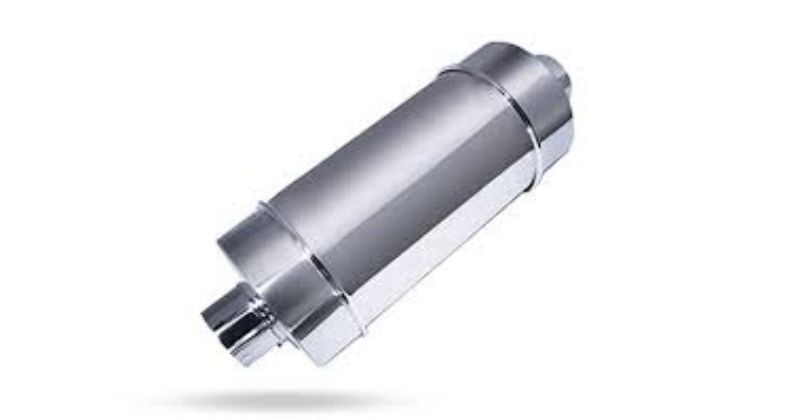
Understanding Emission Control Devices: Function and Importance
In today’s world, where air quality and environmental sustainability have become crucial topics, emission control devices play a vital role in mitigating the impact of harmful pollutants from various sources, particularly in vehicles and industrial operations. This blog will explore what CPCB type emission control device are, how they function, their significance in combating pollution, and the different types available.
What Are Emission Control Devices?
Emission control devices are systems or components designed to reduce harmful emissions produced during combustion processes in vehicles, power plants, and industrial machinery. These devices are engineered to limit the release of pollutants such as nitrogen oxides (NOx), carbon monoxide (CO), hydrocarbons (HC), and particulate matter (PM) into the atmosphere.
The Importance of Emission Control Devices
1. Environmental Protection
One of the primary functions of emission control devices is to safeguard the environment. By reducing the amount of pollutants released into the air, these devices help to improve air quality and reduce the overall impact on ecosystems. This is critical in addressing issues like acid rain, smog, and global warming.
2. Public Health
Harmful emissions are linked to a range of health problems, including respiratory diseases, cardiovascular issues, and even premature death. Emission control devices play a crucial role in protecting public health by minimizing exposure to these pollutants. Cleaner air can lead to healthier communities and improved quality of life.
3. Regulatory Compliance
Governments around the world have implemented stringent regulations regarding emissions from vehicles and industrial processes. Emission control devices are essential for compliance with these laws, enabling companies to avoid hefty fines and legal repercussions. Meeting regulatory standards not only demonstrates corporate responsibility but also helps maintain a positive public image.
4. Technological Innovation
The development of emission control technologies drives innovation in engineering and manufacturing. As regulations evolve, manufacturers are challenged to create more efficient systems, leading to advancements that can benefit multiple industries. This fosters a culture of continuous improvement and sustainability.
How Do Emission Control Devices Work?
Emission control devices utilize various technologies and processes to reduce pollutants. Here’s an overview of some of the most common types and their functions:
1. Catalytic Converters
Primarily used in automobiles, catalytic converters are one of the most effective emission control devices. They contain catalysts, usually made from precious metals like platinum, palladium, and rhodium, which facilitate chemical reactions that convert harmful gases into less harmful ones. For instance:
- Oxidation of CO and HC: Catalytic converters convert carbon monoxide (CO) and unburned hydrocarbons (HC) into carbon dioxide (CO2) and water (H2O).
- Reduction of NOx: They also reduce nitrogen oxides (NOx) into nitrogen (N2) and oxygen (O2).
2. Diesel Particulate Filters (DPF)
DPFs are used in diesel engines to capture and store particulate matter (soot) produced during combustion. They trap these particles and periodically burn them off in a process called regeneration, which cleans the filter. This significantly reduces the amount of particulate matter released into the atmosphere.
3. Selective Catalytic Reduction (SCR)
SCR systems are designed to reduce NOx emissions from diesel engines. They work by injecting a urea-based solution (commonly known as diesel exhaust fluid or DEF) into the exhaust stream. This solution reacts with NOx in the presence of a catalyst, converting it into nitrogen and water vapor. SCR systems are highly effective and are increasingly being adopted to meet stringent emissions standards.
4. Exhaust Gas Recirculation (EGR)
EGR systems recycle a portion of the engine’s exhaust back into the intake manifold. This process lowers the combustion temperature, which in turn reduces the formation of NOx emissions. By recirculating exhaust gases, EGR helps to enhance fuel efficiency while minimizing harmful emissions.
5. Evaporative Emission Control Systems (EVAP)
These systems prevent the escape of gasoline vapors from the fuel tank and fuel delivery system. By capturing these vapors and directing them back into the combustion chamber, EVAP systems significantly reduce volatile organic compounds (VOCs) from entering the atmosphere.
Challenges and Future of Emission Control Devices
1. Cost and Maintenance
While emission control devices are effective, they can be costly to install and maintain. Regular upkeep is essential to ensure they function properly, and failure to do so can lead to increased emissions and potential regulatory non-compliance.
2. Technological Advancements
As emissions regulations become more stringent, manufacturers face the challenge of developing more advanced technologies. This requires continuous research and innovation, which can be resource-intensive.
3. Public Awareness and Acceptance
Educating the public about the importance of emission control devices is vital for promoting their adoption. Increased awareness can drive demand for cleaner technologies and encourage regulatory support.
Conclusion
Emission control devices are essential tools in the fight against air pollution and environmental degradation. By reducing harmful emissions from vehicles and industrial processes, these devices protect public health and contribute to a cleaner planet. As technology continues to evolve, so too will the effectiveness of these systems, paving the way for a more sustainable future.
Investing in emission control technology is not just a regulatory requirement; it is a responsibility we all share to ensure a healthier environment for generations to come. As we continue to innovate and adopt cleaner technologies, we can collectively work towards a sustainable future where economic growth does not come at the expense of our planet’s health.