
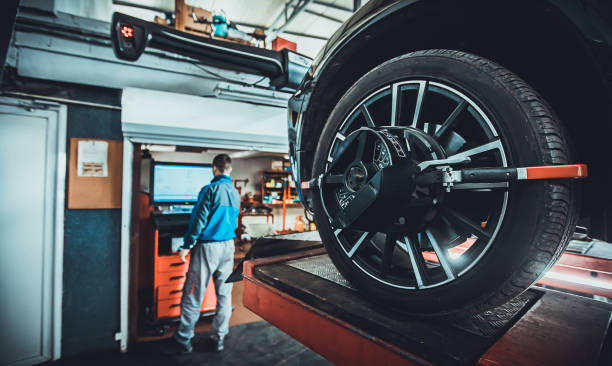
The Ultimate Guide to Understanding Wheel Alignment
When it comes to vehicle maintenance, one of the most critical aspects to keep an eye on is wheel alignment. Proper wheel alignment not only ensures a smoother driving experience but also extends the lifespan of your tires, improves fuel efficiency, and enhances overall safety. While often overlooked, misalignment can cause a variety of issues, including uneven tire wear, steering difficulties, and reduced vehicle stability.
In this ultimate guide, we’ll break down everything you need to know about wheel alignment—what it is, the types of alignment, how it impacts your vehicle, common signs of misalignment, and when you should seek professional help.
1. What Is Wheel Alignment?
Wheel alignment refers to the adjustment of a vehicle’s suspension—the system that connects the vehicle to its wheels. Contrary to popular belief, wheel alignment doesn’t adjust the wheels themselves but rather the angles of the tires to ensure they make optimal contact with the road. Proper alignment ensures that your vehicle drives straight, handles well, and operates at peak efficiency.
There are three primary measurements that technicians use to adjust wheel alignment: camber, toe, and caster. Each of these measurements has a specific role in ensuring your vehicle is properly aligned.
- Camber: The angle of the tires when viewed from the front of the car. If the top of the tire tilts inward, it’s called negative camber; if it tilts outward, it’s called positive camber. Camber misalignment can lead to uneven tire wear on one side of the tire.
- Toe: The angle at which the tires point inward or outward when viewed from above. Toe-in means the front of the tires point toward each other, while toe-out means they point away from each other. Toe misalignment causes tires to wear in a “feathering” pattern.
- Caster: The angle of the steering pivot when viewed from the side of the vehicle. Caster affects steering stability. Positive caster tilts the steering axis toward the driver, which improves stability at higher speeds, while negative caster can make steering feel light and unstable.
Each of these angles needs to be precisely adjusted to factory specifications to ensure your vehicle performs optimally. A misalignment in any of these three can lead to issues like poor handling, pulling to one side, and premature tire wear.
2. Types of Wheel Alignment
There are several types of wheel alignment, and the kind your vehicle requires depends on its make, model, and suspension system. The most common types include:
2.1 Front-End Alignment
This type of alignment adjusts only the front wheels. It’s common for vehicles with solid rear axles where the rear wheels remain fixed. Front-end alignment is ideal for older vehicles and some trucks, ensuring that the front tires are parallel to each other and perpendicular to the ground.
2.2 Thrust Alignment
A thrust alignment ensures that all four wheels are squared to each other, even though the focus is primarily on adjusting the front wheels. This alignment is common in vehicles with solid rear axles to make sure the rear wheels are aligned with the direction of the front wheels. Thrust alignment is particularly useful in rear-wheel-drive vehicles.
2.3 Four-Wheel Alignment
Four-wheel alignment is necessary for vehicles with independent rear suspensions, such as many modern cars, SUVs, and light trucks. This type of alignment adjusts all four wheels so that they are perpendicular to the ground and parallel to each other. Four-wheel alignment ensures that both the front and rear tires are aligned, providing optimal stability, handling, and tire wear.
2.4 Toe and Go Alignment
This type of alignment is often used as a quick fix where only the toe is adjusted to factory specifications. While it’s a faster process, it’s generally less effective than a full alignment check. Toe and go alignments are usually performed when only minor corrections are needed or when a full diagnostic isn’t necessary.
3. How Wheel Alignment Impacts Your Vehicle
Proper wheel alignment affects multiple aspects of your vehicle’s performance, and the benefits are far-reaching.
3.1 Tire Wear
One of the most immediate impacts of misalignment is uneven tire wear. Misaligned wheels can cause tires to wear down faster on one side, reducing the lifespan of your tires and leading to the need for premature replacements. A properly aligned vehicle will distribute weight evenly across all tires, ensuring that they wear at the same rate.
3.2 Fuel Efficiency
Misaligned wheels increase rolling resistance, meaning the engine has to work harder to move the vehicle forward. This extra effort translates into higher fuel consumption. Proper wheel alignment ensures that your tires are rolling smoothly, which can improve fuel efficiency by up to 10%.
3.3 Steering and Handling
Misaligned wheels can make your car pull to one side, making it difficult to drive in a straight line. Additionally, you may notice that the steering wheel isn’t centered when driving straight. Proper alignment ensures optimal steering response and improves vehicle handling, especially around corners or during sudden maneuvers.
3.4 Suspension Health
Misalignment can put unnecessary strain on your suspension system, leading to faster wear and tear on components like shocks and struts. By maintaining proper alignment, you can prolong the life of your suspension system and avoid costly repairs down the road.
4. Signs Your Wheels Need Alignment
While wheel misalignment often develops gradually, there are several telltale signs that can alert you to the problem. Here are the most common indicators:
- Uneven tire wear: If you notice that the inner or outer edges of your tires are wearing more quickly than the rest, this is a clear sign of misalignment.
- Vehicle pulls to one side: If your car drifts to the left or right when driving on a straight, flat road, it’s likely that your wheels are out of alignment.
- Off-center steering wheel: If your steering wheel isn’t centered while driving straight, this indicates a misalignment issue.
- Vibrations: Misalignment can cause the steering wheel or even the entire vehicle to vibrate at high speeds, especially if it’s combined with uneven tire wear.
- Squealing tires: Tires that aren’t properly aligned may make squealing noises, particularly when turning or accelerating from a stop.
If you experience any of these symptoms, it’s a good idea to have your alignment checked by a professional.
5. When to Get a Wheel Alignment
Routine alignment checks are essential for vehicle maintenance. The recommended frequency for wheel alignments varies depending on the type of vehicle and driving conditions, but a general rule of thumb is to get your alignment checked:
- Every 12,000 to 15,000 miles
- After installing new tires
- After any significant impact (hitting a pothole or curb)
- If you notice any of the warning signs mentioned above
For drivers who frequently travel on rough or uneven roads, more frequent alignment checks may be necessary.
6. DIY Alignment Checks
While wheel alignment is best left to professionals who use specialized equipment, there are some basic checks you can perform at home to detect potential misalignment:
- Tire Wear Inspection: Check the tread depth on each tire to see if there’s uneven wear. You can use a tread depth gauge or even a simple penny test to see if one side is wearing faster than the other.
- Straight Line Test: Drive on a flat, straight road and let go of the steering wheel momentarily (in a safe environment). If the vehicle drifts to one side, your alignment may be off.
- Visual Inspection: Park your car on level ground and visually inspect the wheels. They should all point straight forward and appear evenly spaced.
While these checks can help detect issues early, they don’t replace a professional alignment, which involves precise measurements and adjustments.
Conclusion
Understanding wheel alignment is crucial for maintaining your vehicle’s performance, safety, and efficiency. Proper alignment ensures that your tires wear evenly, your vehicle handles well, and you get the best possible fuel economy. By staying vigilant for signs of misalignment and scheduling regular alignment checks, you can prevent costly repairs and enjoy a smoother, more stable driving experience.
Whether you’re dealing with uneven tire wear, steering issues, or vibrations, paying attention to your wheel alignment can save you time, money, and frustration in the long run.