
The Ultimate Guide to Car Polish: Everything You Need to Know About Enhancing Your Car’s Shine and Protection
Car polish is a crucial aspect of maintaining your vehicle’s appearance, helping to restore its shine, remove imperfections, and provide a layer of protection against the elements. Whether you’re a car enthusiast or simply want to keep your vehicle looking its best, understanding the different types of car polish and how to apply them properly can make a significant difference. This comprehensive guide covers the benefits, types, techniques, and tips for using car polish effectively to achieve a showroom-quality finish.
What is Car Polish?
Car polish is a product designed to enhance the appearance of a car’s paintwork. It typically consists of abrasives, oils, and other chemicals that work together to remove fine scratches, swirl marks, oxidation, and other imperfections on the surface of your car. The polishing process helps restore the paint’s smoothness, shine, and depth, giving your vehicle a polished, like-new look.
Unlike wax, which primarily provides a protective layer over the paint, polish focuses on improving the paint’s condition by smoothing out imperfections and enhancing its gloss. Polish can also prepare the surface for waxing or sealing, ensuring that these protective layers adhere better and last longer.
Types of Car Polish
There are various types of car polish available, each designed for different levels of paint correction. Here are the main types:
1. Cutting Polish
Cutting polish is the most abrasive type of polish and is used for heavy-duty correction. It is ideal for removing deep scratches, oxidation, and significant paint imperfections. This type of polish uses strong abrasives to grind down the paint surface, removing the damaged layers and leaving behind a smoother surface.
2. Finishing Polish
Finishing polish is less abrasive and is used for light correction or for achieving a high-gloss finish after using a cutting polish. It removes fine swirl marks and minor imperfections, leaving behind a smooth, shiny surface. This type of polish is often used as a final step in the polishing process to enhance the paint’s clarity and depth.
3. All-in-One Polish
All-in-one polishes combine the features of cutting and finishing polishes in one product. These polishes are designed for those looking to do light correction while also adding a layer of protection. They can save time as they perform multiple tasks, but they may not provide the same level of correction as dedicated cutting or finishing polishes.
Benefits of Using Car Polish
There are several advantages to regularly using car polish on your vehicle:
- Restores Shine: Over time, your car’s paint may become dull due to exposure to environmental factors like UV rays, road salts, and pollutants. Car polish can restore its shine by removing oxidized layers and revealing the fresh, glossy paint underneath.
- Removes Imperfections: Polish helps remove light scratches, swirl marks, and other imperfections caused by improper washing techniques or environmental contaminants.
- Enhances Protection: By smoothing out the paint surface, car polish allows for better adhesion of protective waxes or sealants. This can help extend the life of these protective layers, keeping your car looking great for longer.
- Improves Resale Value: A well-maintained, shiny car is more likely to fetch a higher resale value. Regular polishing can help maintain the car’s aesthetic appeal and condition, making it more attractive to potential buyers.
How to Apply Car Polish: Step-by-Step Guide
Applying car polish can be done by hand or using a machine, depending on the level of correction needed. Here’s a basic step-by-step guide to polishing your car:
- Clean the Car: Before polishing, wash your car thoroughly to remove dirt, grime, and contaminants. Dry it with a microfiber towel to ensure a clean, smooth surface.
- Choose the Right Polish: Select a polish based on the level of correction needed. For minor imperfections, a finishing polish may be sufficient. For more severe defects, use a cutting polish.
- Apply the Polish: If using a machine, apply the polish to a foam pad and set the machine to a low speed. If doing it by hand, apply a small amount of polish to a microfiber applicator pad.
- Polish in Small Sections: Work in small sections (about 2 x 2 feet) to ensure even application and to avoid the product drying out before you can work it in.
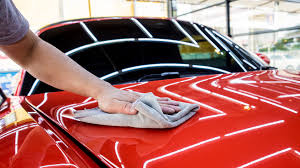
- Buff Off the Excess: After working the polish into the paint for a few minutes, use a clean microfiber towel to buff off any excess product.
- Apply Wax or Sealant: Once the polish is applied, you may want to finish with a layer of wax or sealant for added protection and shine.
Tips for Effective Car Polishing
- Work in the Shade: Avoid polishing your car in direct sunlight, as this can cause the product to dry too quickly, leading to streaks or uneven results.
- Use Clean Pads and Towels: Always use clean microfiber towels and applicator pads to avoid introducing contaminants to the paint during the polishing process.
- Test on a Small Area First: Always test the polish on a small, inconspicuous area before applying it to the entire car to ensure compatibility with your vehicle’s paint.
Conclusion
Car polish is an essential product for maintaining the appearance of your vehicle. By understanding the types of polishes available and following proper techniques, you can easily restore your car’s shine, remove imperfections, and provide a layer of protection for the paint. Regular polishing not only keeps your car looking its best but also helps protect its value in the long run.