
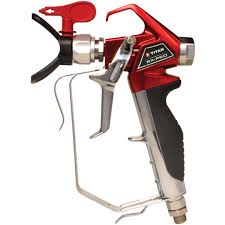
The Secret to Effortless Spraying: Choosing the Right Handle
Spraying should feel smooth, controlled, and efficient. Whether you’re a DIY enthusiast or a professional painter, your spray gun’s handle plays a pivotal role in ensuring a flawless finish. The secret to effortless spraying lies in choosing the right handle – one that complements your workflow, reduces fatigue, and delivers consistent results.
Why the Handle Matters in Spraying
The handle is more than just a grip. It acts as the control center of your sprayer, influencing pressure control, movement, comfort, and ultimately, the quality of your application.
Enhances Grip and Control
A well-designed handle gives you a firm grip, ensuring your hand doesn’t slip even during long hours of use. This control becomes crucial when spraying delicate surfaces or working on detailed projects.
Reduces Fatigue and Injury
The right handle design reduces strain on the wrist and forearm. Ergonomically shaped handles help you spray longer without discomfort, lowering the risk of repetitive strain injuries.
Boosts Precision and Efficiency
Comfort and grip combine to allow smoother, more precise movements. This helps you avoid overspray, patchiness, and uneven coats – saving time and materials.
Types of Spray Gun Handles
Each type of spray gun handle caters to different needs. Understanding the options ensures you make an informed decision based on your project and preferences.
Pistol Grip Handle
Best for control and ease of use
This is the most common handle type, featuring a traditional gun-style grip. It feels natural in hand and offers excellent control, making it ideal for both beginners and professionals.
Pros:
- Familiar feel
- Great for long sessions
- Easy to operate trigger
Inline Handle
Best for compact designs and tight spaces
The inline handle aligns the grip with the spray tip, creating a straight design that fits well in tight or narrow areas. It’s a preferred choice for industrial or automotive tasks requiring fine detail.
Pros:
- More compact
- Good for overhead or awkward angles
- Ideal for precision spraying
Ergonomic Handle
Best for reducing fatigue and boosting comfort
These handles are specially molded to fit the hand’s natural curve, reducing pressure points and making long jobs less tiring. Often found in premium sprayers, ergonomic handles help improve workflow and reduce downtime.
Pros:
- Prevents hand fatigue
- Reduces strain during extended use
- Enhances grip and trigger control
Two-Finger and Four-Finger Triggers
Choose based on comfort and project scale
The trigger design also affects how the handle performs. Two-finger triggers provide better control for small jobs and detail work. Four-finger triggers allow for more power and are ideal for large-area coverage.
What to Consider When Choosing a Handle
With so many options, choosing the right handle requires a balance of comfort, control, and project requirements.
Sprayer Type Compatibility
Make sure your handle matches your sprayer type. For example, airless sprayers often need handles with higher pressure tolerance, while HVLP sprayers benefit from precision handles that support fine misting.
Frequency of Use
If you spray frequently or professionally, invest in an ergonomic or padded handle that protects your hand over time. For occasional home projects, a simple pistol grip may suffice.
Handle Material
Quality handles often feature materials like aluminum, stainless steel, or reinforced polymer. These offer strength without adding unnecessary weight. Rubberized coatings provide extra comfort and slip-resistance.
Trigger Sensitivity
Handles with adjustable trigger sensitivity offer better control and reduce finger strain. Look for models that let you fine-tune the trigger pull to your preference.
Benefits of Upgrading Your Handle
If you’ve been using the same handle for years, upgrading can dramatically improve your spraying experience.
Better Finish Quality
A more comfortable grip leads to steadier hands, resulting in more even coatings, cleaner lines, and fewer touch-ups.
Increased Productivity
With less fatigue and more control, you’ll work faster and cover larger areas with less downtime.
Enhanced Durability
Premium handles are built to last and resist corrosion, especially in heavy-duty environments.
Matching the Handle to Your Spraying Needs
Every project is different. Choosing the right handle involves matching it to the type of work you’re doing.
Home Renovation and Furniture Projects
Use an ergonomic pistol grip with a soft trigger. These handles allow for detailed, prolonged spraying without fatigue – perfect for cabinets, furniture, or walls.
Automotive and Industrial Jobs
Opt for inline or precision handles. These allow for greater control in hard-to-reach areas and reduce overspray – critical when working on cars or machinery.
Outdoor and Large-Scale Surfaces
Go with a four-finger trigger handle that supports high flow rates. Choose one with a padded grip to minimize hand fatigue during long exterior painting sessions.
Maintenance Tips to Extend Handle Life
Maintaining your handle is essential for performance and longevity.
Clean After Every Use
Paint residue can clog trigger mechanisms or corrode handle joints. Clean with water or appropriate solvent immediately after use.
Lubricate Moving Parts
Apply a small amount of lubricant to the trigger mechanism to ensure smooth operation and prevent rust.
Inspect for Wear and Tear
Regularly check the handle for cracks, loose screws, or stiffness. Replace parts or upgrade when necessary to maintain safety and performance.
Final Thoughts: Don’t Overlook the Handle
While sprayer handle models, nozzles, and pressure settings often steal the spotlight, the handle quietly does the heavy lifting. The right handle doesn’t just make spraying easier – it transforms your experience. You’ll spray faster, work longer, and achieve better results with less effort.
So next time you gear up for a spraying job, remember: the secret to effortless spraying lies in your hands—literally. Choose your handle wisely.