
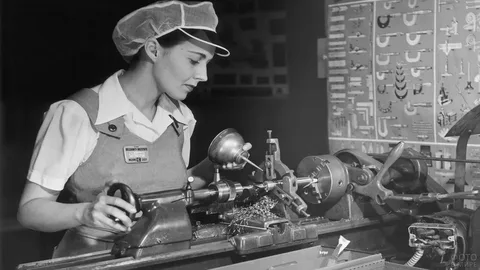
The Evolution and Importance of Working Machines in the US
The United States has long been at the forefront of innovation and industrial progress, with working machines playing a pivotal role in shaping its economy and infrastructure. From agricultural tools to advanced manufacturing equipment, these machines have revolutionized productivity and redefined industries. Let’s delve into the history, impact, and current trends surrounding working machines in the US.
A Historical Overview
The journey of working machines in the US dates back to the Industrial Revolution in the late 18th and early 19th centuries. This period saw the advent of steam-powered machinery, which transformed industries such as textiles, mining, and transportation. Notable inventions like Eli Whitney’s cotton gin and John Deere’s steel plow revolutionized agriculture, making the US a global leader in crop production.
In the 20th century, the rise of assembly lines, pioneered by Henry Ford, introduced mechanized production on an unprecedented scale. This era marked the transition from manual labor to automated processes, significantly boosting efficiency in industries ranging from automotive to consumer goods.
The Role of Working Machines in Modern Industries
Today, working machines are integral to virtually every sector of the US economy. Key industries benefiting from advanced machinery include:
1. Manufacturing
Modern manufacturing relies heavily on automated systems such as CNC machines, robotics, and 3D printers. These technologies enhance precision, reduce waste, and enable mass production at lower costs. Factories across the US are increasingly adopting smart manufacturing practices, integrating IoT devices to monitor and optimize machine performance.
2. Construction
The construction industry depends on heavy machinery like bulldozers, cranes, and excavators to complete large-scale projects efficiently. Innovations in construction technology, including autonomous vehicles and drones, are further streamlining operations and improving safety.
3. Agriculture
Agricultural machinery has advanced significantly, with GPS-guided tractors, combine harvesters, and irrigation systems transforming traditional farming methods. These tools help farmers increase yields, conserve resources, and meet the growing demand for food in the US and beyond.
4. Healthcare
Medical machines such as MRI scanners, robotic surgical systems, and diagnostic tools play a crucial role in delivering high-quality healthcare. These devices enable early detection of diseases, minimally invasive procedures, and personalized treatments.
Technological Innovations Driving Progress
The rapid advancement of technology continues to push the boundaries of what working machines can achieve. Key trends shaping the future of machinery include:
- Automation and AI: Artificial intelligence is enhancing machine learning and decision-making capabilities, enabling smarter and more adaptive systems.
- Sustainability: Eco-friendly machines designed to minimize energy consumption and reduce emissions are gaining traction in industries striving for environmental responsibility.
- Connectivity: The integration of IoT technology allows machines to communicate and share data, facilitating real-time monitoring and predictive maintenance.
Challenges and Opportunities
Despite their many benefits, working machines also pose challenges. Automation has led to concerns about job displacement, necessitating workforce retraining and education. Additionally, the high cost of advanced machinery can be a barrier for small businesses.
However, these challenges also present opportunities. Investment in education and training programs can prepare workers for high-tech roles, while government initiatives and subsidies can help smaller enterprises adopt advanced machinery.
Conclusion
Working machines have been instrumental in driving the economic and technological progress of the United States. From transforming agriculture to enabling cutting-edge healthcare solutions, these tools continue to shape the nation’s future. As industries evolve and new challenges arise, the role of working machines will remain central to innovation, sustainability, and economic growth.