
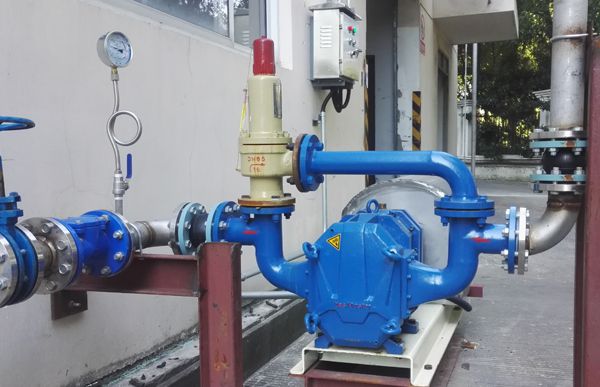
The Economics of Using Rotary Lobe Pumps in Production Lines
In the world of industrial production, efficiency and cost-effectiveness are two key factors that every company aims to optimize. When it comes to fluid handling and pumping systems, rotary lobe pumps are among the most reliable and efficient solutions. These pumps have gained popularity across various industries due to their unique advantages, including their versatility, durability, and efficiency in transferring a wide range of fluids. In this article, we’ll explore the economics of using rotary lobe pumps in production lines, and how they can significantly impact the operational costs and overall productivity of manufacturing facilities.
What Are Rotary Lobe Pumps?
Before diving into the economics, it’s important to understand what a rotary lobe pump is and how it works. A rotary lobe pump is a positive displacement pump that uses two rotating lobes to move fluid through the pump. These lobes mesh together and create suction, which allows fluid to enter the pump and then pushes it out as the lobes rotate.
This design makes them incredibly efficient at handling both viscous and non-viscous fluids. Ace lobe pumps manufacture top-quality rotary Lobe Pump known for their precision and reliability, making them a preferred choice in industries like food processing, pharmaceuticals, and chemical manufacturing.
Why Rotary Lobe Pumps Are Economically Beneficial
1. Reduced Energy Consumption
One of the primary benefits of using rotary lobe pumps is their energy efficiency. Unlike other types of pumps, rotary lobe pumps consume less energy while maintaining a high flow rate. This means companies can save on their electricity bills and reduce their carbon footprint without compromising on pump performance. The precise, smooth operation of Ace lobe pumps ensures that energy consumption remains low, further reducing operational costs in production lines.
2. Longer Lifespan and Reduced Maintenance Costs
Maintenance costs can eat into a company’s budget, especially when equipment fails or requires frequent repairs. However, rotary lobe pumps are known for their longevity and minimal maintenance requirements. Their design reduces wear and tear, which is common in other pump types due to high friction or improper sealing. Ace lobe pumps are engineered to last longer, ensuring that companies save on maintenance and replacement costs.
Additionally, the easy-to-clean nature of rotary lobe pumps means less downtime for maintenance, further improving cost-efficiency. These pumps can handle harsh chemicals, food products, and even sludges without requiring constant upkeep, which is a massive financial advantage for any production facility.
3. Enhanced Productivity and Uptime
Downtime is costly in any production environment. Rotary lobe pumps operate with high reliability, contributing to improved uptime in production lines. With fewer breakdowns and less need for regular repairs, your production process can remain uninterrupted for longer periods. The Ace lobe pumps are designed to maintain consistent performance, thus preventing potential bottlenecks in the production cycle that could slow down productivity.
Moreover, the versatility of rotary lobe pumps allows them to handle a variety of fluids with different viscosities, making them an ideal solution for production lines with diverse requirements. Whether you’re pumping thick, viscous liquids or thinner fluids, rotary lobe pumps can handle them all, further boosting the efficiency of production lines.
4. Reduced Labor Costs
With minimal maintenance and fewer operational issues, rotary lobe pumps also reduce the need for labor-intensive monitoring and troubleshooting. Workers can focus on other tasks, which ultimately cuts down on labor costs. Additionally, Ace lobe pumps feature user-friendly controls and automated systems that streamline the operation, enabling employees to perform their tasks more effectively and with fewer resources.
Key Factors Influencing the Economic Benefits of Rotary Lobe Pumps
While rotary lobe pumps provide significant cost savings, the full economic advantage depends on several factors. Let’s explore some of these factors in more detail:
1. Pump Sizing and Selection
Choosing the right size and model of rotary lobe pumps can directly affect the cost-efficiency of a production line. Oversized pumps can lead to wasted energy, while undersized pumps may require more frequent maintenance or replacement. It’s crucial to work with experts, such as Ace lobe pumps, to ensure that the pump is appropriately sized for your specific needs, thereby maximizing its economic benefits.
2. Fluid Characteristics
The type of fluid being pumped plays a significant role in the performance and efficiency of rotary lobe pumps. These pumps excel at handling a variety of fluids, but different fluids have different flow properties that can impact pump efficiency. For example, thicker fluids may require more power to pump, increasing energy consumption. Therefore, understanding the characteristics of the fluid and adjusting the pump accordingly can optimize performance and reduce costs.
3. System Integration and Automation
Integrating rotary lobe pumps into an automated system can provide further economic advantages. Automated systems can ensure optimal pump performance and reduce human error, leading to better control over energy consumption, maintenance, and operational efficiency. By working with a trusted supplier like Ace lobe pumps, you can seamlessly integrate these pumps into your existing production line, making the most of automation to further cut down on costs.
4. Material of Construction
The materials used in the construction of rotary lobe pumps also affect their performance and longevity. Pumps made from high-quality materials that are resistant to corrosion, wear, and temperature fluctuations can last longer and require less maintenance. Investing in high-quality rotary lobe pumps like those offered by Ace lobe pumps can save money in the long run by extending the pump’s life and reducing downtime.
Industries Benefiting from Rotary Lobe Pumps
Several industries have realized the economic benefits of rotary lobe pumps and have incorporated them into their production lines. Let’s take a closer look at some of these industries:
1. Food and Beverage Industry
In the food and beverage sector, hygiene and consistency are critical. Rotary lobe pumps provide reliable, gentle pumping that preserves the integrity of the product while ensuring sanitary conditions. The Ace lobe pumps in this industry ensure that products like sauces, syrups, and dairy products are pumped without contamination, enhancing both the quality and cost-efficiency of production.
2. Chemical Industry
The chemical industry often deals with aggressive fluids that require specialized pumping equipment. Rotary lobe pumps are ideal for handling a wide variety of chemicals, including corrosive and abrasive materials. Their ability to operate under tough conditions, combined with low energy consumption and minimal maintenance, makes them a cost-effective solution for chemical manufacturers.
3. Pharmaceutical Industry
Pharmaceutical manufacturers require pumps that offer precise control and reliable performance to ensure the quality of their products. Rotary lobe pumps offer the exacting standards needed in this industry, and their ability to handle a wide range of fluids ensures versatility in production. With minimal contamination risks, Ace lobe pumps provide cost-saving solutions in pharmaceutical manufacturing.
4. Wastewater Treatment
In wastewater treatment, rotary lobe pumps are often used to transport sludge and other viscous materials. Their ability to pump these materials efficiently without clogging or causing damage to the pump makes them an ideal choice. The durability and energy efficiency of rotary lobe pumps help reduce the cost of operation in this demanding sector.
Environmental Benefits of Rotary Lobe Pumps
Another aspect of rotary lobe pumps that contributes to their economic value is their environmental friendliness. These pumps are designed to minimize energy consumption, which reduces the carbon footprint of production facilities. By using rotary lobe pumps, companies can contribute to sustainability goals while enjoying the financial benefits of lower energy costs and reduced environmental impact.
Conclusion
The economics of using rotary lobe pumps in production lines cannot be overstated. From reducing energy consumption and maintenance costs to enhancing productivity and minimizing downtime, these pumps provide significant financial benefits for industries across the board. With their versatility, durability, and cost-efficiency, rotary lobe pumps offer a sustainable and profitable solution for businesses looking to improve their production processes. Partnering with reliable suppliers like Ace lobe pumps ensures that businesses get the most out of their pumping systems, contributing to long-term operational success and profitability.