
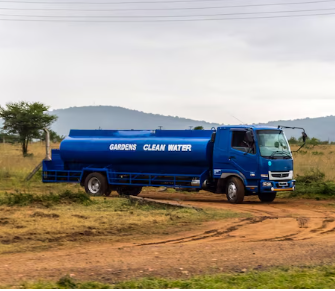
Why Sweet Water Delivery Deserves a Closer Look
As populations grow and infrastructure demand increases across the UAE, clean water access remains a critical utility for homes, commercial spaces, and construction zones. For many, especially in areas not directly connected to the municipal grid or where groundwater is unsuitable, sweet water delivery is not just a backup service—it’s a daily essential.
But what are the true costs involved? And how does it compare to alternative sources? In this guide, we break down the economics of sweet water delivery, helping consumers understand what they’re paying for and how to optimize water expenditure without compromising on quality.
What Influences the Cost of Sweet Water Delivery?
The price of sweet water delivery isn’t arbitrary. It’s determined by several core variables:
- Volume ordered: Measured in gallons or liters; larger tankers reduce cost per unit.
- Distance to delivery location: Longer travel means higher fuel and labor costs.
- Tank access logistics: Rooftop or difficult-to-reach tanks may incur additional setup fees.
- Time of day and urgency: Same-day or emergency deliveries typically cost more.
- Market conditions: Fuel prices, municipal supply rates, and seasonal demand all play a role.
Understanding these components allows consumers to make smarter scheduling and supplier decisions.
Average Pricing in the UAE (As of 2025)
While prices vary slightly by region and operator, here’s an approximate breakdown of common delivery sizes:
| Volume (Gallons) | Average Price (AED) | Cost per Gallon (AED) |
| 1,000 gallons | 250–300 | 0.25–0.30 |
| 5,000 gallons | 450–600 | 0.09–0.12 |
| 10,000 gallons | 850–1,000 | 0.085–0.10 |
Larger deliveries clearly offer greater cost-efficiency. Whenever possible, scheduling higher volumes—shared among villas or buildings—reduces the total water cost per user.
How Sweet Water Compares to Tap Water and Bottled Alternatives
1. Municipal Tap Water
- Often included in DEWA/SEWA bills
- Typically suitable for non-consumption uses (irrigation, washing)
- May contain minerals that affect appliances, skin, and hygiene
- Cost-efficient but limited in certain locations
2. Bottled Drinking Water
- Ideal for drinking and cooking
- Price per liter is exponentially higher (AED 1.5–2.0 per liter)
- Unsuitable for high-volume uses like tank fills or construction sites
3. Sweet Water Delivery
- Best for showering, cleaning, swimming pools, irrigation, and temporary usage
- Delivered directly to storage tanks (rooftop or ground-level)
- More cost-effective than bottled water and cleaner than hard tap water in some areas
- Easily scheduled, scalable, and suited for both homes and businesses
Verdict: For high-volume, non-potable (and even light potable) applications, sweet water strikes the ideal balance between quality and affordability.
Return on Investment: How Sweet Water Saves Money Over Time
Though sweet water delivery has an upfront cost, it also prevents future expenses associated with hard water:
- Appliance longevity: Reduced scale buildup in heaters and washing machines
- Lower detergent and soap use: Soft water improves lathering
- Less plumbing maintenance: Fewer blockages and pipe corrosion
- Better skin and hair condition: Less need for moisturizers or hair treatments caused by mineral-heavy water
- Cleaner laundry: Lower wear on fabrics, minimizing replacement costs
When viewed over a 12-month horizon, these indirect savings often exceed the delivery costs themselves.
Smart Tips for Cost-Efficient Sweet Water Delivery
To get the most out of your supplier relationship:
- Schedule regular deliveries to avoid emergency fees.
- Order in bulk where possible—combine usage with neighbors or maintenance teams.
- Pre-book during off-peak times, such as weekdays or cooler months.
- Maintain your tanks to avoid leakage and over-ordering.
- Track water usage trends to optimize volume and delivery frequency.
Consider requesting digital invoices and using supplier apps or WhatsApp channels for faster response and simplified reordering.
Cost Considerations for Commercial Clients
For businesses—especially in construction, hospitality, and facility management—water costs scale rapidly. Here’s how sweet water supports enterprise needs:
- Construction: On-site water for curing concrete, cleaning, and worker sanitation.
- Hotels & Spas: Routine water refills for pools, guest tanks, and general hygiene.
- Cleaning & FM companies: Mobile operations or camps that depend on external supply.
- Events & exhibitions: Pop-up venues requiring temporary tank setups.
In such settings, negotiating long-term delivery contracts can lock in favorable pricing and priority scheduling.
Environmental and Policy Considerations
While sweet water is safe and municipally regulated, overuse or mismanagement can increase fuel consumption or water waste. To balance cost and sustainability:
- Opt for right-sized deliveries based on usage estimates
- Ensure tank integrity and cover to prevent evaporation
- Partner with suppliers who clean and sanitize tankers regularly
- Ask your provider if they operate GPS-optimized routes to reduce emissions
Municipalities are increasingly focused on resource optimization, so smart use helps both your wallet and the planet.
Conclusion: Sweet Water as a High-Value Daily Utility
For many in the UAE, sweet water isn’t a luxury—it’s a necessity. The economics of sweet water delivery reveal a service that, when managed wisely, offers comfort, hygiene, and long-term savings.
From villa owners and facility managers to project engineers and hospitality providers, the key is to treat water like any resource: measure it, schedule it, and choose trusted professionals to deliver it safely.
To explore tailored delivery plans, volume-based discounts, or emergency refills, reach out to a licensed supplier today. Your daily routine—and your budget—will benefit from every drop.