https://fuelpumpexpress.com

What You Need to Know About Greener Way to Sell Cars

When it’s time to say goodbye to your old vehicle, most people think of quick sales, trade-ins, or even leaving the car unused in the driveway. But what if there was a smarter option — one that not only gave you convenience and fair value but also helped the environment? That’s where the greener way to sell cars comes in.

In recent years, more drivers have become aware of how much impact vehicles have on the planet, even after they’ve stopped running. From leaking fluids to rusting metals, abandoned or poorly disposed cars can create serious environmental problems. Choosing an eco-friendly way to part with your vehicle ensures that it’s handled responsibly, and the process is often easier than you’d expect.
The Problem with Traditional Car Disposal

For decades, the common way to get rid of an unwanted car was either to dump it, sell it cheaply without considering where it would end up, or simply let it sit in a backyard. Unfortunately, this approach leads to a lot of waste and environmental hazards.

Old vehicles contain harmful fluids like oil, coolant, and transmission fluid. If they aren’t drained properly, these can seep into the soil and water systems, creating long-term pollution. Rusting metals add further damage, while plastics and rubber parts often end up in landfill where they take decades to break down.

This not only harms the environment but also wastes valuable resources that could otherwise be recycled and reused. That’s why a greener alternative is so important.

What Does “Greener Way to Sell Cars” Mean?

Selling your car the green way means choosing an option that prioritises recycling, reuse, and sustainability. Instead of letting your vehicle become another piece of waste, eco-friendly buyers and car removal services dismantle it carefully.

Usable parts such as engines, doors, mirrors, tyres, and batteries are separated and resold. Scrap metal is recycled and melted down for new manufacturing. Harmful fluids are disposed of safely, reducing pollution risks. Even plastics and fabrics from interiors can sometimes be reused.

In other words, greener car selling ensures that nothing goes to waste. It helps extend the life of car parts, reduces the need for raw materials, and minimises the negative impact on the planet.

Eco-Friendly Options for Selling Your Car

There are several ways you can choose the green route when selling your vehicle:

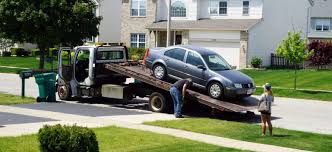
  • Car removal services that recycle responsibly – Many removal companies tow your car for free and then pass it to wreckers who dismantle and recycle it.
  • Auto wreckers and recyclers – They specialise in stripping vehicles for parts and materials, ensuring maximum reuse.
  • Charitable donations – Some organisations accept unwanted vehicles, selling usable parts and recycling the rest to fund community projects.
  • Dealership trade-ins with recycling policies – Certain certified dealerships work with recyclers to ensure old cars are disposed of sustainably.

Each of these options ensures your car is not just removed from your life but given a second purpose.

Benefits of Selling Cars the Green Way

Choosing an eco-friendly option has benefits that go beyond just clearing space in your garage:

  • Protects the environment – Safe disposal of fluids and recycling of metals prevents long-term damage to soil and water.
  • Supports recycling industries – Old cars supply scrap metal and reusable parts, reducing the need for new resources.
  • Convenience – Green car disposal is just as quick and easy as traditional methods, often with free towing included.
  • Fair value – Many eco-conscious buyers still offer good payouts, so you don’t lose out financially.
  • Positive impact – You’re making a choice that benefits not just you, but the wider community and future generations.

How to Identify Eco-Friendly Car Buyers

Not every car buyer or removal service operates with sustainability in mind. To make sure you’re choosing the right one, here are a few things to check:

  • Licensing and certification – Legitimate recyclers are usually licensed to handle vehicles and waste safely.
  • Recycling policies – Ask how they dismantle and reuse vehicles. Do they recycle metal and resell parts?
  • Customer reviews – Positive feedback often reflects transparent, trustworthy practices.
  • Free towing and paperwork assistance – Responsible services usually make the process smooth for car owners.

By asking a few simple questions, you can ensure your car ends up in the hands of a buyer who values sustainability.

Choose the greener way to sell your car and make a positive impact today.

Greener Car Selling in Australia

Across Australia, sustainable car disposal is gaining traction. Cities like Brisbane, Sydney, and Melbourne are seeing an increase in responsible removal services and auto wreckers who focus on recycling.

In fact, choosing to sell car for cash Melbourne through eco-conscious buyers is not only profitable but also a smart move for the environment. With strict recycling standards and strong demand for used parts, these services ensure cars are handled in the most responsible way possible.

Final Thoughts

The greener way to sell cars isn’t just a trend — it’s a necessary shift toward protecting our environment and making better use of valuable resources. Instead of leaving your vehicle to rust away or adding to landfill waste, you can choose a responsible option that’s good for the planet, supports local recycling industries, and still puts money in your pocket.

At the end of the day, selling your car the eco-friendly way means you can move on from your old vehicle with confidence, knowing it’s been given a new purpose rather than becoming another piece of waste.

How to Handle Test Drives Safely When You Sell Your Car

Selling a car can be an exciting experience, but it also comes with certain responsibilities, especially when it comes to letting potential buyers take the car for a test drive. While it is an essential part of the car-selling process, it’s crucial to handle test drives safely to protect both yourself and your vehicle. Here’s a guide on how to ensure that test drives go smoothly and securely when selling your car.

1. Screen Potential Buyers Before the Test Drive

The first step in ensuring a safe test drive is screening the potential buyer before allowing them behind the wheel.

  • Why it matters: Not every interested buyer is genuine or responsible. A quick background check or conversation can help you assess their intentions.
  • How to do it: Ask for the buyer’s valid driver’s license and proof of identity before agreeing to a test drive. If you’re dealing with a dealership, they’ll likely have their own protocol for vetting buyers. For private sales, trust your instincts—if something feels off, it’s okay to decline a test drive.

2. Choose a Safe, Public Meeting Location

When meeting the buyer, opt for a public and secure location to conduct the test drive.

  • Why it matters: Meeting in a public space minimizes the risk of theft or personal harm. It’s also safer for both parties to be in a well-lit, busy area.
  • How to do it: Arrange to meet at a busy parking lot, a dealership, or a well-frequented shopping center. Avoid meeting at your home or a secluded area.

3. Set Clear Terms Beforehand

Before handing over the keys, discuss the terms of the test drive and make sure both you and the buyer are on the same page.

  • Why it matters: Setting expectations for the test drive helps prevent misunderstandings and ensures that the buyer respects your car and your time.
  • How to do it: Clearly outline the boundaries for the test drive. For instance, specify the duration (15-20 minutes is usually enough) and the area they’re allowed to drive in. Avoid letting them take the car on highways or long-distance trips, which increases risks.

4. Accompany the Buyer on the Test Drive

Whenever possible, accompany the potential buyer on the test drive. This ensures that you remain in control of the situation and can observe how they handle the car.

  • Why it matters: Not only does this allow you to assess how the car is driven, but it also ensures that you’re present in case anything goes wrong.
  • How to do it: Sit in the passenger seat and observe the buyer’s driving habits. This also provides an opportunity to point out any features of the car they may want to test. If the buyer insists on driving alone, consider offering a shorter test drive and taking additional precautions (e.g., a written agreement).

5. Maintain Control Over the Keys and Documents

Never hand over the car keys or essential documents until you’re confident that the buyer is trustworthy and committed.

  • Why it matters: Retaining the keys and paperwork ensures that you have leverage in case something goes wrong during the test drive.
  • How to do it: Keep your car keys and any important documents (e.g., the title) with you during the test drive. If the buyer insists on taking them, consider asking for collateral, such as a valid ID or another form of security.

6. Inspect the Vehicle After the Test Drive

Once the test drive is completed, thoroughly inspect your car to ensure that it’s in the same condition as before.

  • Why it matters: Test drives, especially when they involve multiple buyers, can sometimes result in minor damage or issues. A quick inspection allows you to catch any problems early and discuss them with the buyer.
  • How to do it: Check for any new dents, scratches, or mechanical issues that may have arisen during the drive. If any damage has occurred, discuss it with the buyer before moving forward with the sale.

7. Set a Limited Driving Distance

If you’re unsure about the buyer’s intentions or if they insist on driving the car for an extended period, limit the driving distance.

  • Why it matters: Limiting the distance helps reduce the risk of damage or misuse of the vehicle. A short drive is sufficient for a potential buyer to evaluate the car’s performance.
  • How to do it: Provide a predefined route that stays within a reasonable distance of the meeting point. You can also specify that the test drive should stay within residential areas or on specific streets.

8. Be Ready for a Possible No-Show or Last-Minute Cancellation

Not every potential buyer will show up or follow through with the purchase after a test drive. Be prepared for the possibility of a no-show or a buyer backing out after the drive.

  • Why it matters: Sometimes, buyers might change their mind after a test drive. Having a backup plan or being mentally prepared can help you handle the situation calmly.
  • How to do it: If a buyer cancels at the last minute or decides not to purchase after the test drive, don’t take it personally. Simply move on to the next buyer. Always have more than one interested party lined up.

9. Trust Your Instincts

Finally, trust your instincts. If you feel uncomfortable with the buyer or if the situation seems unsafe, don’t hesitate to stop the test drive or cancel it altogether.

  • Why it matters: Your safety is the top priority. If something feels off, it’s better to be cautious than to risk a potentially dangerous situation.
  • How to do it: Politely explain to the buyer if you don’t feel comfortable proceeding with the test drive. You have the right to stop the process at any time for your own safety.

10. Complete the Transaction Securely

Once the test drive is successful and both parties are satisfied, proceed to complete the transaction. Make sure the payment is secure and all documentation is properly transferred.

  • Why it matters: Ensuring the proper completion of paperwork and the payment process will help finalize the sale smoothly.
  • How to do it: Once you’ve agreed on a price, make sure that the buyer has provided the full payment (through secure methods like bank transfer or cash) before signing over the ownership documents.

Conclusion

Handling a test drive safely when selling your car requires preparation, clear communication, and a bit of caution. By screening buyers, setting clear terms, and maintaining control of the situation, you can ensure a safe and successful test drive experience. Whether you’re selling through an online platform like Famewheels or privately, taking these precautions will help you protect both your vehicle and yourself during the sale.

How to Sell Your Car Through an Auction: A Complete Guide

Selling a car through an auction can be a quick and effective way to get rid of your vehicle, especially if you’re looking to avoid the lengthy process of negotiating with private buyers. Whether you’re selling a classic car, a high-value vehicle, or simply want a fast sale, auctions can offer a convenient solution. In this guide, we’ll walk you through the process of selling your car at an auction, including how it works, the pros and cons, and tips for getting the best price.

1. Understand the Types of Car Auctions

Before you start the process, it’s important to understand the different types of car auctions available. Each type offers its own advantages and considerations:

  • Physical Auctions: These are traditional in-person auctions where you bring your car to an auction house, and it’s sold in front of a live audience. These auctions often attract dealers and car enthusiasts who are looking for a variety of vehicles, from used cars to rare collectibles.
  • Online Car Auctions: Online auctions are becoming increasingly popular. Platforms like eBay Motors, Copart, and Bring a Trailer allow you to list your car for sale online. Bidders can view your car’s details, photos, and descriptions, and place bids without needing to be present. This can be especially convenient for sellers who prefer the ease of a digital transaction.
  • Dealer Auctions: These are auctions specifically for licensed car dealers, rather than private buyers. While these auctions are less open to the public, you can sometimes arrange for a car dealer to auction your vehicle on your behalf.

2. Choose the Right Auction House or Platform

Selecting the right auction house or online platform is key to getting the best price for your car. Look for platforms with a solid reputation, clear guidelines, and a proven track record of successful sales. Consider the following when choosing an auction:

  • Reputation: Research the auction house or platform for reviews, customer feedback, and success stories.
  • Auction Fees: Many auction houses and online platforms charge fees that can range from a flat rate to a percentage of the final sale price. Make sure you understand the costs involved and factor these into your pricing strategy.
  • Audience: Consider the type of buyers that frequent the auction. If you’re selling a luxury car, a specialized auction house that focuses on high-end vehicles may be a better fit than a general public auction.

3. Prepare Your Car for Auction

Just like selling your car privately, it’s essential to present it in the best possible light to attract potential buyers. Here’s how to get your car ready for auction:

  • Clean Your Car: Thoroughly clean both the interior and exterior of the vehicle. A clean car creates a positive first impression and signals that it’s well-maintained.
  • Complete Necessary Repairs: If your car has any minor issues, such as a broken taillight or worn-out tires, fix them before bringing it to the auction. Small repairs can increase the car’s value and make it more appealing to buyers.
  • Gather Documents: Ensure you have all the necessary documents ready, including the car’s title, registration, maintenance records, and any warranties. If your car has a clean title (no accidents or significant damage), make sure to highlight that in the auction listing.
  • Provide Detailed Photos and Descriptions: If you’re using an online auction platform, take high-quality photos of your car from various angles, including the interior and exterior. Be honest about the car’s condition and provide a detailed description to help buyers make informed decisions.

4. Set a Realistic Reserve Price

A reserve price is the minimum amount you’re willing to accept for your car at auction. Setting a realistic reserve price is crucial, as it ensures that you won’t sell the car for less than you’re comfortable with. Research similar cars that have recently sold at auction to get an idea of what to expect in terms of price.

It’s also worth noting that setting the reserve price too high can deter potential buyers, while setting it too low may leave you dissatisfied with the final sale price. Consider factors like the car’s age, condition, and market demand when setting your reserve.

5. Understand Auction Fees and Commission

Before going to the auction, be sure to understand the auction fees and commission structure. Auction houses typically charge a seller’s fee, which can vary depending on the platform and the car’s value. Some auctions also charge a buyer’s premium, which is a percentage of the sale price that is added to the final bid and paid by the buyer.

The fees you’ll pay can have a significant impact on your final payout, so it’s essential to factor them into your pricing strategy. Be clear on all the costs involved to avoid any surprises after the auction concludes.

6. Attend the Auction or Monitor Online

If you’re attending a physical auction, arrive early to check in, set up your car, and ensure everything is ready for the bidding process. Be prepared to answer any questions about the vehicle, as buyers may want to know more about its history, condition, or specific features.

For online auctions, ensure your listing is live and that your car’s details are accurate. Keep track of the bidding process, and be prepared to respond to any questions from potential buyers. Online auctions may run for several days, so stay engaged and monitor the auction closely.

7. Finalize the Sale

Once the auction is complete, you’ll receive the winning bid or highest offer. If your car meets the reserve price, you’ll proceed with the sale. If it doesn’t meet the reserve, you’ll have the option to either accept the highest bid or relist the car in another auction.

  • Payment: Once the sale is confirmed, ensure that the buyer makes the payment through the auction platform’s secure payment system. Most auctions handle the financial transaction for you, giving both the buyer and seller peace of mind.
  • Transfer of Ownership: Once the payment has been processed, arrange to transfer the car’s ownership to the buyer. You’ll need to complete paperwork, including the title transfer, and provide the buyer with any additional documents.

8. Pros and Cons of Selling Through an Auction

Pros:

  • Speed: Auctions often provide a quick sale, allowing you to sell your car in a matter of days.
  • No Negotiation: You won’t have to deal with lengthy negotiations with buyers, as the auction process is straightforward.
  • Access to a Wide Audience: Online auctions give you access to a larger pool of potential buyers from all over the country or even internationally.

Cons:

  • Auction Fees: The fees charged by the auction house or platform can reduce the amount you walk away with.
  • Unpredictability: While auctions are great for quick sales, the final price may not always meet your expectations.
  • Limited Control: You have less control over the sale process compared to selling privately, and there’s always the risk of not hitting your reserve price.

Conclusion

Selling your car through an auction can be a great way to get a quick sale and potentially a good price, especially if you’re not interested in dealing with individual buyers. By preparing your car properly, understanding the auction process, and setting a realistic reserve price, you can maximize your chances of a successful sale. Whether you choose a physical auction or an online platform, auctions offer a convenient and straightforward method for selling your car.

Sell Your Car for Top Cash in Townsville | Cash 4 Cars Townsville

Are you tired of dealing with old, unused, or damaged cars cluttering up your driveway? Looking for a simple and stress-free way to get rid of them? At Cash 4 Cars Townsville, we make selling your car as easy as a breeze. Whether your vehicle is running or not, we ensure you get top cash for cars in Townsville while enjoying a seamless experience.

Visit: https://www.cash4carstownsville.com.au/

Imagine turning that rusty old car into instant cash! Sounds good, right? Let us show you how.

Why Sell Your Car for Cash?

Do you have an old car sitting idle and gathering dust? Here are some compelling reasons to sell it for cash:

  • Instant Money: Turn your car into quick cash that you can use for other expenses.
  • Free Up Space: Reclaim your garage or driveway by removing unwanted vehicles.
  • Environmentally Friendly: Recycling old cars prevents harmful materials from polluting the environment.

Letting your unused car go can feel like decluttering your life and wallet at the same time!

Benefits of Choosing Cash 4 Cars Townsville

When you work with Cash 4 Cars Townsville, you enjoy a range of benefits that make the selling process easier than ever:

  • Top Cash Offers: We evaluate your car fairly to give you the best price.
  • Hassle-Free Process: From quote to removal, everything is quick and simple.
  • All Cars Accepted: Running, non-running, or completely wrecked, we take them all.
  • Free Removal: Say goodbye to towing fees—we handle it for free.
  • Customer-Centric Approach: Your satisfaction is our priority.

What Types of Cars Do We Buy?

Wondering if your car qualifies? Here’s a list of vehicles we accept:

  • Sedans: From compact to luxury sedans.
  • SUVs and 4WDs: Perfect for Townsville’s rugged terrain.
  • Utes and Trucks: Small to heavy-duty, we take them all.
  • Scrap Cars: Even if your car is beyond repair, we’ll buy it.
  • Unregistered Vehicles: Registration status doesn’t matter to us.

If it’s a car, we’re ready to make an offer!

The Process: How It Works

Selling your car with us is as easy as 1-2-3:

  1. Request a Quote: Call us or fill out our online form with your car’s details.
  2. Accept the Offer: Once we evaluate your car, we’ll give you a no-obligation cash offer.
  3. Free Pickup and Instant Payment: We come to you, pick up the car, and pay you on the spot.

Could it get any simpler?

How Much Cash Can You Get for Your Car?

The amount you can earn depends on several factors, including:

  • Car’s Condition: Newer and well-maintained cars fetch higher prices.
  • Make and Model: Popular brands and models often have better resale value.
  • Market Demand: Vehicles in high demand bring in top dollar.
  • Scrap Value: For non-running cars, the price depends on weight and recyclable materials.

At Cash 4 Cars Townsville, we ensure you get a fair price every time.

Free Car Removal Services in Townsville

Towing can be expensive, but with us, it’s absolutely free! Whether your car is parked at home, on the roadside, or in a remote location, our team will:

  • Arrive at your location promptly.
  • Handle all the heavy lifting.
  • Remove your car without any additional costs.

Our free car removal service saves you both time and money.

Why Choose Us for Cash for Scrap Cars Townsville?

Choosing the right buyer for your scrap car can make a world of difference. Here’s why we stand out:

  • Reputation: Trusted by countless happy customers in Townsville.
  • Competitive Prices: We consistently offer higher payouts than competitors.
  • Fast Service: Same-day quotes and removal ensure no delays.
  • Eco-Friendly Disposal: We recycle vehicles responsibly to reduce environmental impact.

Your satisfaction drives us!

Environmentally-Friendly Car Recycling

At Cash 4 Cars Townsville, we believe in sustainability. When you sell your scrap car to us, you contribute to:

  • Reducing Waste: Salvaging usable parts reduces landfill waste.
  • Recycling Materials: Metals and other materials are repurposed for new products.
  • Protecting the Planet: Proper disposal prevents hazardous chemicals from leaking into the environment.

Together, we can make a difference.

Tips for Selling Your Car for the Best Price

Want to maximize your car’s value? Follow these tips:

  • Clean Your Car: A clean car makes a better impression and can increase its value.
  • Be Honest About Its Condition: Accurate descriptions lead to fairer offers.
  • Gather Necessary Documents: Have ownership papers ready for a smooth transaction.
  • Shop Around: Compare offers to ensure you’re getting the best deal.
  • Act Quickly: Market demand and prices fluctuate, so don’t delay.

Getting top cash for cars in Townsville has never been easier!

Conclusion

Selling your car doesn’t have to be a hassle. With Cash 4 Cars Townsville, you get a straightforward process, unbeatable cash offers, and top-notch customer service. Whether your car is old, damaged, or no longer running, we’re here to help you turn it into quick cash. Ready to get started? Contact us today and let us take care of the rest!