
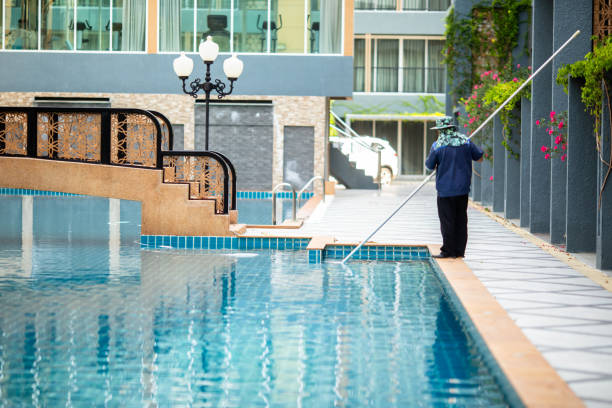
Swimming Pool Maintenance: Keep Your Pool Clean & Safe
Introduction
A swimming pool is a fantastic addition to any home, providing relaxation, exercise, and entertainment. However, maintaining a pool requires regular care to ensure clean, safe, and hygienic water. Without proper maintenance, pools can become breeding grounds for bacteria, algae, and other contaminants.
This guide covers essential swimming pool maintenance practices to keep your pool crystal clear and well-functioning all year round.
1. The Importance of Regular Pool Maintenance
Routine pool maintenance helps prevent water contamination, equipment breakdowns, and costly repairs. Here’s why it’s essential:
Key Benefits of Pool Maintenance:
- Ensures Safe Swimming: Clean water prevents infections and skin irritation.
- Prevents Algae Growth: Regular chemical balancing stops algae buildup.
- Protects Pool Equipment: Reduces wear and tear on pumps and filters.
- Enhances Water Clarity: Keeps your pool looking inviting and clear.
Ignoring pool maintenance can lead to cloudy water, foul odors, and even health hazards.
2. Essential Swimming Pool Cleaning Routine
A clean pool requires a consistent maintenance schedule.
Daily Pool Maintenance:
- Skim the surface to remove leaves and debris.
- Check water clarity and inspect for algae.
Weekly Pool Maintenance:
- Vacuum the pool floor to remove dirt buildup.
- Brush pool walls and tiles to prevent algae formation.
- Test and adjust pH, chlorine, and alkalinity levels.
- Empty skimmer and pump baskets.
Monthly Pool Maintenance:
- Deep clean the filter system.
- Inspect pool equipment for leaks or malfunctions.
- Shock the pool to eliminate bacteria buildup.
By following this schedule, your pool stays clean, balanced, and safe for swimming.
3. Balancing Pool Water Chemistry
Proper water chemistry is crucial for keeping your pool free of bacteria and contaminants.
Ideal Pool Chemical Levels:
| Chemical | Ideal Range | Purpose |
|---|---|---|
| pH Level | 7.2 – 7.6 | Prevents eye irritation & maintains chlorine effectiveness. |
| Chlorine | 1.0 – 3.0 ppm | Kills bacteria and keeps water disinfected. |
| Alkalinity | 80 – 120 ppm | Stabilizes pH levels. |
| Calcium Hardness | 200 – 400 ppm | Prevents scaling & protects pool surfaces. |
Test water at least twice a week to ensure proper balance.
4. Cleaning Pool Filters and Pumps
Filters and pumps work to keep the pool water clear by removing debris and contaminants.
Types of Pool Filters:
- Sand Filters: Need backwashing every 1-2 weeks.
- Cartridge Filters: Clean every 2-3 weeks and replace annually.
- Diatomaceous Earth (DE) Filters: Require regular backwashing and DE powder replacement.
A well-maintained filtration system prevents cloudy water and keeps your pool hygienic.
5. Preventing Algae Growth in Your Pool
Algae can quickly take over a poorly maintained pool, making the water green and unsafe.
How to Prevent Algae:
- Maintain proper chlorine and pH levels.
- Brush and vacuum pool walls and floors weekly.
- Use an algaecide every few weeks to prevent growth.
- Run the pool pump for at least 8 hours a day to circulate water.
A proactive approach keeps algae from spreading and saves time on deep cleaning.
6. Pool Shock Treatment for Deep Cleaning
Shock treatment involves adding high chlorine levels to remove bacteria, contaminants, and algae.
How to Shock a Pool:
- Test the water and adjust pH levels before shocking.
- Use calcium hypochlorite or sodium dichlor shock.
- Apply shock in the evening to prevent sunlight degradation.
- Run the pool pump overnight to circulate chemicals.
- Avoid swimming for at least 24 hours after treatment.
Regular shocking ensures safe and clear pool water.
7. Seasonal Pool Maintenance Tips
Your pool requires different maintenance routines depending on the season.
Summer Pool Maintenance:
- Increase chlorine levels due to higher usage.
- Check for evaporation and refill as needed.
- Run the filter longer to keep water clear.
Winter Pool Maintenance:
- Lower water levels to prevent freezing damage.
- Use a pool cover to keep debris out.
- Add winterizing chemicals to prevent algae growth.
Adjusting your pool care routine by season ensures year-round usability.
8. Hiring Professional Pool Maintenance Services
While DIY pool care is possible, hiring experts ensures thorough maintenance.
Benefits of Professional Pool Services:
- Saves time and effort.
- Ensures accurate chemical balance.
- Detects equipment issues early.
- Provides scheduled deep cleaning.
If you lack the time for regular maintenance, professional services can help keep your pool in top condition.
Conclusion
Regular swimming pool maintenance is essential for keeping water clean, safe, and enjoyable. By following a routine cleaning schedule, balancing chemicals, and preventing algae growth, you can ensure a sparkling, well-maintained pool all year round. Whether you prefer DIY care or professional services, consistent upkeep guarantees a safe and refreshing swimming experience.