
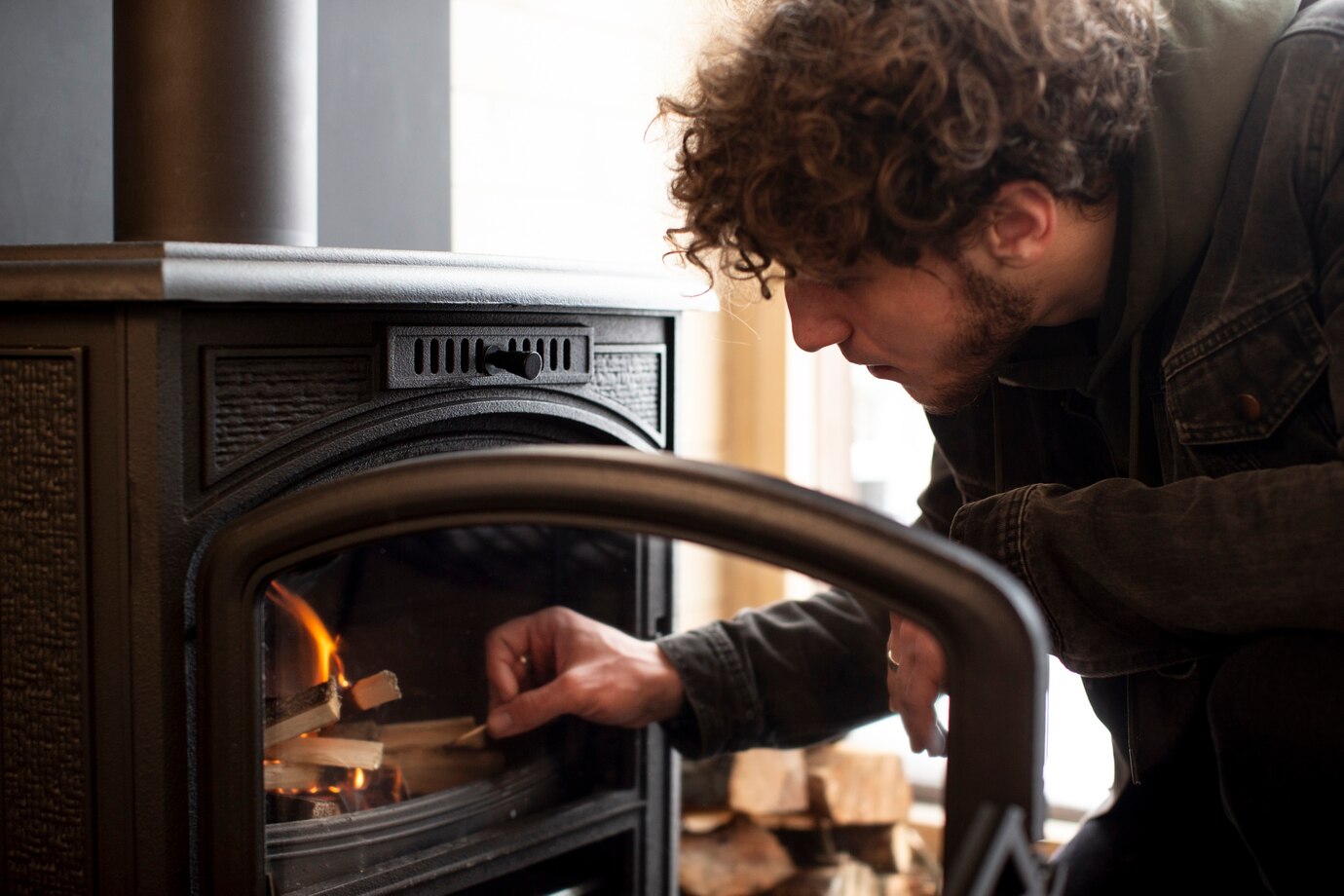
Stove Pipe for Wood Stove – A Complete Guide for Safe and Efficient Wood Heating
Wood stoves have long been a reliable, cozy, and eco-friendly heating option for Australian homes and off-grid properties. But the heart of every wood stove setup isn’t just the fire—it’s the stove pipe that ensures proper ventilation, safety, and heating efficiency. Whether you’re installing a new wood heater or upgrading an older flue system, understanding how stove pipes work and selecting the right components is crucial.
This article explores everything you need to know about stove pipes for wood stoves, including types, materials, installation tips, safety regulations, and why Stainlessflue AU is a trusted name in the Australian market.
What Is a Stove Pipe?
A Stove pipe for wood stove is a crucial part of a wood stove installation. It connects the wood-burning appliance to the chimney system and helps direct smoke, gases, and particulate matter safely out of the home.
While often confused with the chimney or flue, the stove pipe specifically refers to the internal connector (from stove to flue entry) and is not designed to pass through walls, floors, or ceilings directly unless insulated.
Why a Good Stove Pipe Matters
Installing the right stove pipe isn’t just about compliance—it directly affects:
- Draft Efficiency: Ensures proper airflow and combustion.
- Indoor Air Quality: Prevents backdrafts and carbon monoxide leaks.
- Energy Efficiency: Maximizes the heat output of your wood stove.
- Longevity: A quality pipe resists corrosion and withstands high temperatures.
- Aesthetics: Matte black or stainless finishes can enhance the interior design of a home.
Components of a Wood Stove Venting System
A typical stove pipe system includes:
- Stove Collar Adapter – Connects to the wood stove’s flue outlet.
- Single or Double-Wall Stove Pipe – Runs vertically from the stove to the ceiling or wall.
- Elbows or Offsets – Allow routing flexibility.
- Support Brackets – Secure the pipe to ceilings or walls.
- Flue Pipe / Chimney Liner – Transitions the stove pipe to a full chimney or insulated flue.
Types of Stove Pipe
Single-Wall Stove Pipe
- Made of carbon steel or stainless steel
- Cheaper and easier to install
- Must maintain a minimum 450mm clearance from combustible surfaces
- Ideal for open areas with ample space
Double-Wall Stove Pipe (Insulated)
- Inner layer of stainless steel + outer layer with an air gap or insulation
- Allows reduced clearances (150–200mm)
- Retains more heat, improves draft
- Preferred for safety, especially in tight installations
Stainless Steel Stove Pipe
- Corrosion-resistant, long-lasting
- Ideal for high-moisture environments or long-term performance
Stove Pipe Sizing Guidelines
Choosing the correct diameter and length is essential for safe and efficient stove operation.
Common Diameters:
- 5″ (125mm)
- 6″ (150mm)
- 8″ (200mm)
Tip: Always match the stove pipe diameter to the stove’s flue collar unless otherwise specified.
Recommended Height:
- Minimum total flue height: 4.5 meters from stove to top of chimney
- Avoid long horizontal runs; they hinder draft
- Limit the number of elbows to no more than two 45° or one 90° for optimal airflow
🇦🇺 Australian Building Code and AS/NZS Standards
When installing a stove pipe in Australia, follow:
- AS/NZS 2918 – Installation of solid fuel heating appliances
- AS/NZS 5601.1 – Gas installations (if applicable for dual-fuel units)
Clearance to combustibles, ceiling penetrations, and termination heights are tightly regulated. Always install with:
- Heat shields or fire-rated enclosures
- Proper roof flashing and ceiling plates
- Firestops and supports
Stainlessflue AU offers pre-approved and certified components that meet or exceed Australian standards.
Safety Tips for Stove Pipe Installation
- Use only certified components – Avoid makeshift or non-compliant parts.
- Secure every joint – Screws or locking bands prevent leaks and disconnections.
- Seal with high-temp silicone – Enhances airtightness, especially at joints.
- Install a damper – Helps control the burn rate and prevents heat loss.
- Check for creosote – Build-up inside the pipe can cause chimney fires.
- Inspect yearly – Replace corroded or warped sections promptly.
Buying Stove Pipe in Australia: What to Look For
When selecting a stove pipe, check for:
| Feature | Why It Matters |
|---|---|
| Material | Stainless steel resists corrosion; black steel offers aesthetics |
| Wall Type | Double-wall offers safety and performance in tight spaces |
| Certification | Must meet AS/NZS 2918 for Australian homes |
| Length Options | Modular sections (300mm, 600mm, 900mm) for customizable installs |
| Elbows & Adapters | Allows routing flexibility |
| Finish | Black matte or stainless finish for design compatibility |
Stainlessflue AU: The Trusted Name in Flue and Stove Pipe Systems
At Stainlessflue AU, we understand that Australians demand safe, efficient, and aesthetically pleasing wood heating systems. We offer a complete range of stove pipe components to suit homes, cabins, and commercial spaces across the country.
Why Choose Stainlessflue AU?
- Australian Standards Certified
- Custom Lengths and Angles Available
- Made from Premium-Grade Stainless Steel
- In-stock Options for Fast Delivery
- Expert Advice and Support
Whether you need a basic flue kit or a complete double-wall stove pipe system, our team ensures you get it right the first time.
Installation Scenarios for Stove Pipes
Freestanding Wood Stove in Open Living Area
- Use single-wall stove pipe + ceiling box
- Transition to insulated flue through the ceiling
- Fireboard or wall shield may be required
Wood Stove in Corner Configuration
- May need elbow joints and offset connectors
- Use double-wall pipe if clearance is limited
Garage or Workshop Wood Heater
- Use galvanized or stainless steel for durability
- Ensure vertical run exceeds 3.5m minimum
Tiny Home or Off-Grid Cabin
- Compact stoves with 4” or 5” pipe
- Consider insulated pipe throughout due to space constraints
Maintenance and Cleaning Tips
Keeping your stove pipe clean extends its lifespan and prevents hazards:
- Inspect the pipe every 2-3 months during burn season
- Use a chimney brush with the correct diameter
- Watch for signs of creosote (glossy black buildup)
- Clean or replace gaskets at joints
- Repaint black pipes with high-temp stove paint if needed
Pro tip: Install a flue thermometer to monitor performance and ensure optimal burn temperatures (250–450°C is ideal).
Frequently Asked Questions
Can I use a single-wall pipe through the ceiling or wall?
No. Use insulated double-wall flue for any penetration through combustible materials.
How often should I replace my stove pipe?
If properly maintained, stove pipes can last 10–20 years. Replace sections with rust, warping, or excessive creosote buildup.
Is DIY stove pipe installation legal in Australia?
Yes, but it must comply with AS/NZS 2918 and local council approvals. It’s best to consult a professional or use pre-engineered kits from Stainlessflue AU.
Popular Products at Stainlessflue AU
- Double-Wall Stainless Steel Stove Pipe Kits
- 45° and 90° Elbows
- Wall Brackets and Roof Flashings
- Flue Pipe Adapters
- Ceiling Penetration Kits
- Heat Shields and Guards
Final Thoughts
A high-quality stove pipe is the foundation of any safe and efficient wood heating setup. Whether you’re upgrading your flue, installing a wood burner in your home, or outfitting a remote cabin, trust Stainlessflue AU to provide reliable components, expert advice, and top-tier performance.