
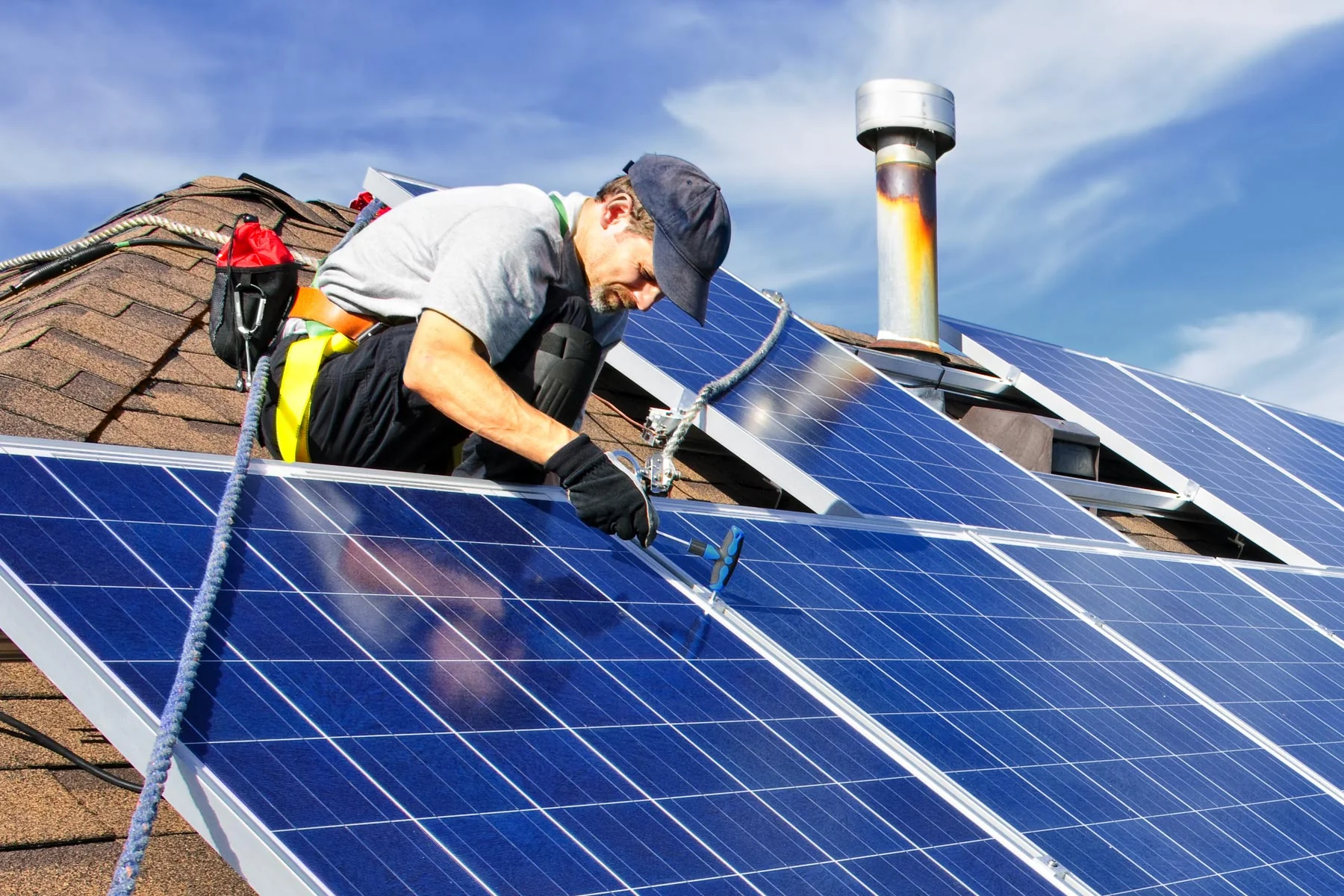
Solar Installation: A Complete Guide to Going Solar Today
Solar Installation: What You Need to Know Before Going Solar
Solar installation is becoming a popular choice for homeowners and businesses alike. With rising energy costs and growing environmental concerns, more people are considering solar power as a reliable energy source. But what does solar involve? How does it work? And what benefits can you expect? This guide provides clear, straightforward information to help you make an informed decision.
What Is Solar Installation?
Solar installation means setting up solar panels and related equipment on your property. These panels capture sunlight and convert it into electricity. The system typically includes solar panels, an inverter, mounting equipment, and sometimes batteries for storage. Once installed, solar panels reduce reliance on the grid and cut your electricity bills.
Why Consider Solar Installation?
Many factors make the solar system a smart choice:
- Lower Electricity Bills: Solar energy reduces your monthly utility payments.
- Renewable Energy Source: Sunlight is free and abundant.
- Increase Property Value: Homes with solar systems often sell faster and at higher prices.
- Reduce Carbon Footprint: Solar power produces no pollution.
- Energy Independence: Less reliance on the grid protects against rising energy costs.
Transitioning to solar energy provides financial and environmental benefits that grow over time.
How Does Solar Installation Work?
The process starts with a site assessment. Professionals check your roof’s direction, angle, and shade to ensure maximum efficiency. Next, they design a system that fits your energy needs and budget. After approval, installation takes place, usually within a few days.
Panels are securely mounted, wiring is connected, and the inverter is installed. The inverter changes the direct current (DC) from the panels into alternating current (AC) for your home. Once the system is activated, you can begin generating solar power immediately.
Types of Solar Systems
There are mainly three types of solar:
- Grid-Tied Systems: Connected to the local power grid. Excess energy goes back to the grid, earning credits.
- Off-Grid Systems: Independent systems with battery storage. Ideal for remote areas.
- Hybrid Systems: Combine grid connection with battery storage for backup power.
Choosing the right system depends on your location, energy usage, and preferences.
Costs and Savings
The initial cost of a solar system can vary based on system size, equipment quality, and installation complexity. However, many incentives, like tax credits and rebates, help lower upfront costs. Over time, savings on energy bills can pay back the investment, sometimes within seven to ten years.
It’s also important to consider maintenance costs, which are generally low. Most solar panels come with 20-25-year warranties and require minimal upkeep.
How to Prepare for Solar Installation
Before installing solar panels, check local regulations and permits. Review your current electricity usage and decide on the system size that suits your needs. Consult with certified solar installers for detailed quotes and timelines.
Also, ensure your roof is in good condition. Panels last for decades, so a sturdy roof is essential. If needed, repair or replace your roof before installation.
Common Myths
Many people hesitate to switch to solar due to misconceptions. Here are some facts:
- Solar Panels Don’t Work in Cloudy Weather: Panels still generate electricity on cloudy days, though less than in direct sun.
- Solar Is Too Expensive: Incentives and long-term savings make solar affordable.
- Installation Takes Weeks: Most installations finish within a few days.
- Solar Panels Require Too Much Maintenance: Panels need little maintenance aside from occasional cleaning.
Clearing these myths can help you make a better decision.
Benefits Beyond Savings
Solar System offers more than just lower bills. It contributes to a cleaner environment by reducing greenhouse gas emissions. It also adds resilience to your energy supply during outages or peak demand times.
Communities with more solar power often experience greater energy stability and less pollution. Choosing solar means contributing to a healthier planet for future generations.
Choosing the Right Installer
Pick an installer with experience, positive reviews, and proper certifications. Request multiple quotes to compare prices and services. A trustworthy installer will guide you through permits, financing options, and warranties.
The Installation Timeline
From initial consultation to activation, the process usually takes 4 to 8 weeks. After signing a contract, your installer schedules a site visit. Permits and inspections follow, then installation begins. Once everything passes inspection, your system is connected and ready to generate power.
Future of Solar Installation
Advances in solar technology continue to improve panel efficiency and battery storage. Prices are steadily dropping, making solar accessible to more people. With ongoing support from governments and organizations, the solar system is set to grow further in the coming years.
Conclusion
Home solar energy installation offers a practical, cost-effective way to produce clean energy at home or work. With clear benefits, easy installation, and long-term savings, going solar makes sense. By understanding the process and options, you can confidently switch to solar and enjoy reliable power for years to come.
Ready to reduce your energy bills and invest in clean power? Contact a professional solar installation company today and take the first step toward smart energy savings.