
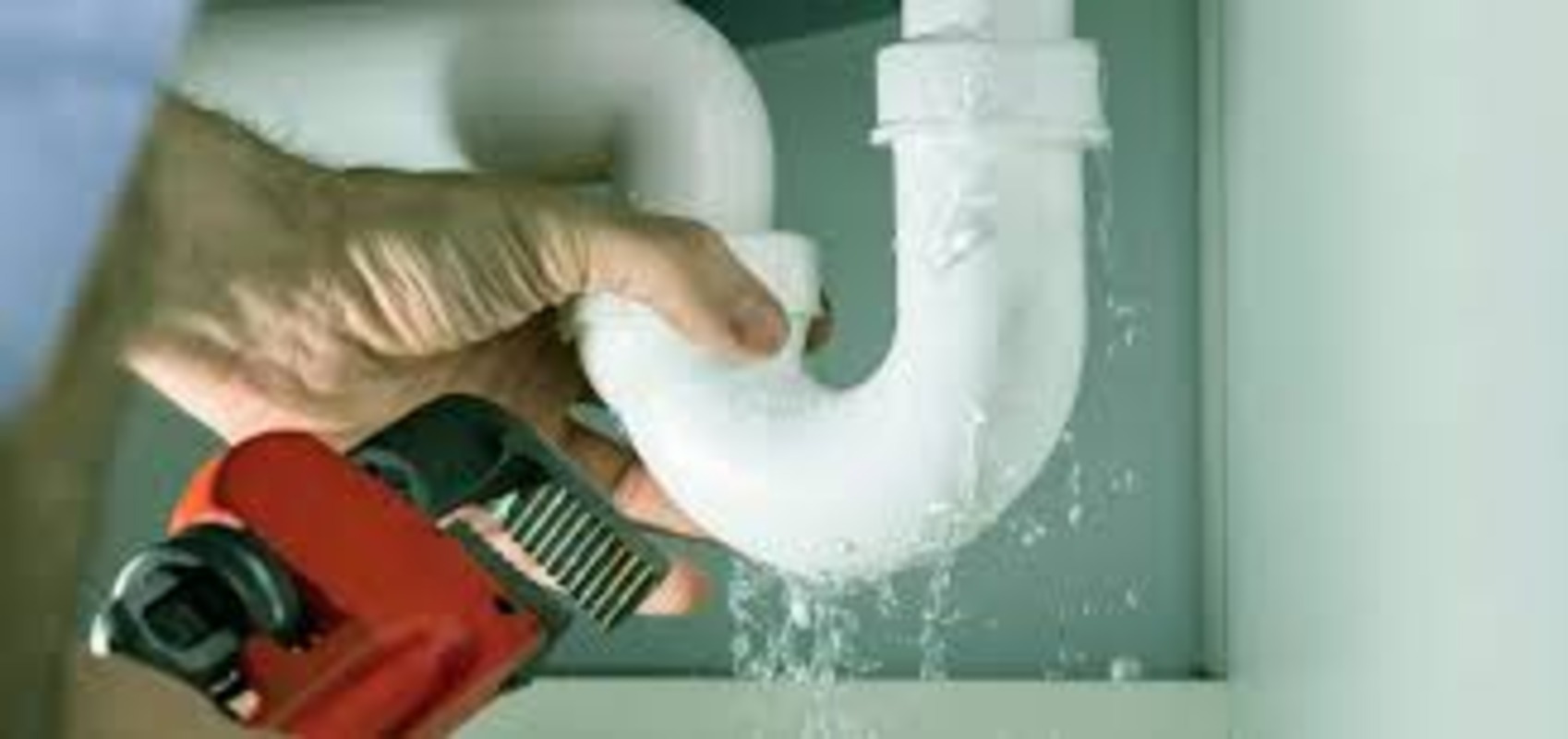
Should You Repair or Replace That Old Pipe? A Quick Guide
When it comes to maintaining your home, the plumbing system often doesn’t get the attention it deserves. Yet, it’s one of the most essential systems in your house. From carrying clean water to draining wastewater, pipes do a lot of heavy lifting. Over time, though, these pipes can wear out, leading to leaks, clogs, and other problems. This guide will help you decide whether to repair or replace your old pipes, keeping your home plumbing in top shape.
Why Do Pipes Wear Out?
Pipes can deteriorate for several reasons. Some common causes include:
- Material Aging: Older pipes made of materials like galvanized steel or cast iron are prone to rust and corrosion.
- Water Quality: Hard water with high mineral content can damage pipes over time.
- Environmental Factors: Shifting soil, tree roots, or extreme weather can cause pipes to crack or break.
- Regular Wear and Tear: Decades of use can naturally degrade even the sturdiest pipes.
Understanding why your pipes are failing is the first step in deciding whether to repair or replace them.
Signs Your Pipes Need Attention
Before diving into repairs or replacements, look for these warning signs:
Frequent Leaks: If you’re constantly fixing leaks, your pipes may be nearing the end of their lifespan.
Low Water Pressure: This could indicate clogs, corrosion, or breaks in the pipes.
Discolored Water: Rusty or brown water often points to corroded pipes.
Noisy Pipes: Strange sounds like banging or gurgling can signal serious issues.
Visible Damage: Cracks, bulges, or discoloration on exposed pipes are red flags.
Repairing Old Pipes: When Is It Enough?
Sometimes, a simple repair is all you need to keep your home plumbing running smoothly. Here are situations where repairs make sense:
- Localized Damage: A single leak or crack can often be fixed without replacing the entire pipe.
- Budget Constraints: Repairs are generally cheaper than replacements, making them a good short-term solution.
- Good Overall Condition: If the rest of your plumbing system is in good shape, repairing one section might suffice.
Common repair methods include patching small leaks, replacing damaged sections, or using epoxy to seal cracks. However, keep in mind that repairs may only be a temporary fix if the pipes are old or severely damaged.
Replacing Old Pipes: When Is It Necessary?
In some cases, replacing pipes is the smarter and more cost-effective choice. Here’s when you should consider a full replacement:
Extensive Corrosion: When rust and corrosion affect large sections of your plumbing, replacement is often the best option.
Repeated Issues: Frequent leaks, clogs, or other problems indicate systemic failure.
Outdated Materials: Pipes made from lead, polybutylene, or galvanized steel should be replaced to meet modern safety and efficiency standards.
Major Renovations: If you’re already remodeling your home, it’s a good opportunity to upgrade your plumbing system.
Replacing pipes might involve removing walls or flooring, so it’s a more invasive and expensive process. However, it provides a long-term solution that can save you money on future repairs.
Costs: Repair vs. Replacement
One of the biggest factors in deciding between repair and replacement is cost. Here’s a quick comparison:
- Repair Costs: Small repairs can range from $150 to $500, depending on the issue.
- Replacement Costs: Replacing an entire plumbing system can cost thousands of dollars, but it’s a worthwhile investment if your pipes are outdated or failing.
Always get quotes from multiple plumbers to ensure you’re getting a fair price. Don’t forget to consider long-term savings—while repairs are cheaper upfront, replacements can prevent costly problems down the line.
The Role of Professional Help
Home plumbing is complex, and DIY fixes can sometimes make problems worse. Hiring a licensed plumber ensures the job is done right. Professionals have the tools and expertise to:
- Diagnose the issue accurately
- Recommend the best course of action
- Perform repairs or replacements safely and efficiently
For urgent situations like emergency drain unclogging, professional help is especially crucial to avoid further damage.
Preventing Future Problems
Whether you repair or replace your pipes, taking steps to maintain your home plumbing system can prevent future issues. Here are some tips:
Regular Inspections: Have a plumber check your system annually.
Use Drain Screens: Prevent clogs by keeping debris out of your drains.
Watch What You Flush: Only flush toilet paper and human waste to avoid blockages.
Soften Hard Water: Installing a water softener can reduce mineral buildup in your pipes.
Act Quickly: Address small problems before they become major issues.
Conclusion
Whether you repair or replace that old pipe depends on the extent of the damage, the type of material, and your budget. Keep your home plumbing in good shape by addressing issues promptly and consulting professionals when needed. A well-maintained plumbing system ensures your home remains safe, efficient, and comfortable for years to come.
FAQs
How do I know if I need to replace my pipes?
If you’re dealing with frequent leaks, discolored water, or low water pressure, it may be time for a replacement. A plumber can inspect your system to confirm.
Are repairs ever a permanent solution?
Repairs can be permanent for minor issues, but old or damaged pipes may require eventual replacement.
How much does it cost to replace home plumbing?
Costs vary depending on the size of your home and the materials used, but full replacements can range from $5,000 to $15,000 or more.
Can I repair pipes myself?
DIY repairs are possible for small issues like minor leaks, but professional help is recommended for complex problems to avoid further damage.
How can I prevent plumbing problems in the future?
Regular maintenance, such as inspections and cleaning, can help extend the life of your pipes and prevent costly issues.