
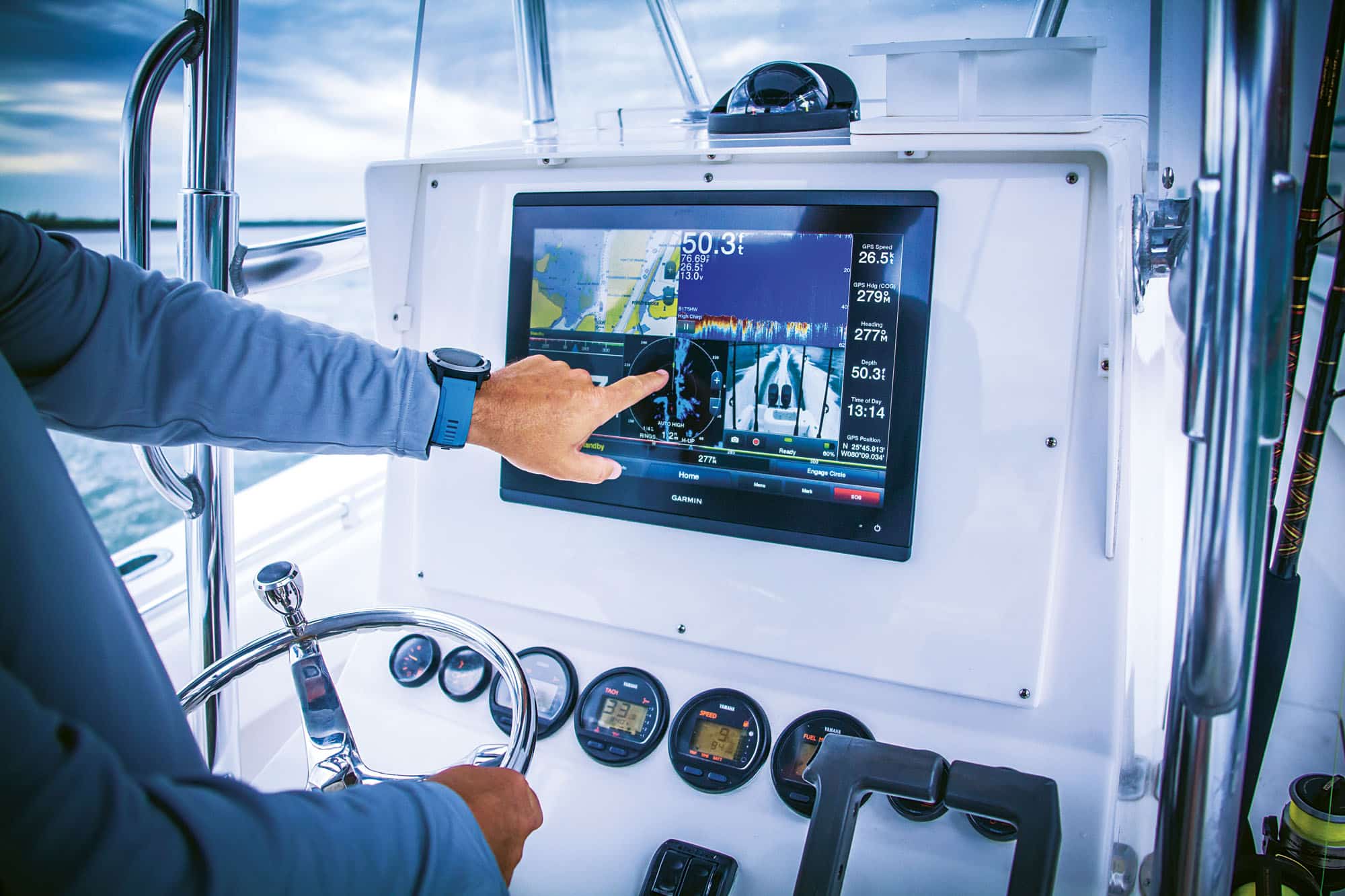
Marine Electronics Driving Precision and Performance on Water
Onboard technology keeps pushing limits as marine sectors change. Whether for commercial vessels, leisure crafts, or deep-sea activities, marine electronics now define safety, navigation, and operating efficiency. For those committed to dependability and performance at sea, investing in modern technologies is not an option; it is rather necessary.
The present scene of marine electronics, the effects on marine navigation, the need of system integration, and how to select the appropriate components for any kind of vessel are investigated in this paper.
Managing Today’s Requirements Using Integrated Marine Electronics
Modern boats need more than just simple instruments. The reliance on accurate, integrated marine electronics systems has never been greater as offshore industries, sport fishing, shipping, and private boating generate more activity.
Chartplotters, GPS, radar, sonar, and AIS today run as one smooth system. By means of real-time data sharing made possible by interoperability among these parts, situational awareness and faster decision-making are guaranteed. Reduced error margins and more seamless voyages in all kinds of weather help marine professionals.
Navigation displays today have daylight readability, multi-touch interfaces, and simple controls. These developments not only streamline processes but also help captains and crews to feel less tired.
Systems built with NMEA 2000 and Ethernet networks enable display to sensor connection. Engine statistics, depth readings, ambient inputs—all of which combine to create one coherent digital dashboard. The ship gets smarter, more nimble, and finally safer.
Technology Shifts Driven by Fishing and Commercial Applications
Although smart technology is becoming more common in leisure boating, marine electronics are being developed mostly in the commercial and fishing industries. From sophisticated sonar arrays to weather-routing software, boats are now equipped to run at more efficiency with less resources.
Fishery vessels have a competitive edge from high-density CHIRP sonar, side-scan imagery, and real-time underwater mapping. By precisely locating fish, these devices reduce search times and fuel use.
Modern route planning and fuel economy systems help commercial marine activities. Remote monitoring, automated alarms, and satellite communications integration let operators remain linked even across open waters. This has changed handling of safety policies, logistics, and maintenance.
Rising remote fleet management has also made tracking and analysis of vessel performance simpler for shore-based staff. These realizations support predictive maintenance initiatives, hence lowering downtime and increasing the life of onboard systems.
Selecting Correct Marine Electronics for Your Boat
Not every vessel has the same requirements, hence the choice of marine electronics should correspond with the size, use, and operational surroundings of the craft. Choosing the correct mix begins with analyzing navigational requirements, safety concerns, and communication needs.
Smaller boats can benefit from single interface handling of chart plotting, sonar, and radar using tiny all-in-one systems. Recreational users seeking simplicity and utility will find these perfect.
Larger boats, on the other hand, can call for modular systems including backup components, remote sensors, and several screens. At sea, especially when traveling in difficult conditions or far-off areas, redundancy is absolutely vital.
Compatibility is another consideration. Selecting parts that accept global standards like NMEA 2000 guarantees that several devices can cooperate even from different manufacturers. Future developments and expansions will thus be more affordable and seamless.
Furthermore taken into account should be battery capacity and power management. High-performance electronics consume a lot of power, hence pairing equipment with dependable power sources is absolutely important. Constant operation is guaranteed by backup systems, surge protectors, and energy-efficient layouts.
Compliance, Safety, and Environmental Awareness
Modern maritime electronics surpass navigation and communication. These days, they are rather important in guaranteeing regulatory compliance and advancing environmentally friendly behavior. Many ships, particularly in crowded marine lanes, depend on systems like AIS and VHF DSC radios for tracking and safety.
Tools for weather forecasting, emission monitoring, and electronic logbooks all promote environmental compliance as well as safety. Accurate fuel use and emissions tracking enables ships to satisfy local environmental rules as well as IMO requirements.
Modern safety gear including man-overboard devices, automatic identification beacons, and EPIRBs now interacts with main navigation systems. This guarantees simpler coordination with rescue operations and faster reaction during emergencies.
Real-time weather integration, collision avoidance systems, and radar overlays on digital charts help to lower human mistake. Especially when entering ports, crossing shipping lanes, or running over restricted zones, alerts and warnings direct crew decisions.
Additional vessels are arming themselves with environmental sensors to track salinity, temperature, and water quality. These readings are important for appropriate marine stewardship as well as for compliance and for supporting scientific study.
The direction of marine electronics is smarter, smaller, more connected.
Innovative ideas in maritime electronics show no slowing down. Rising IoT, machine learning, and satellite broadband makes marine systems smarter and more linked. Digital infrastructures created in future-ready ships allow them to evolve with the times quickly.
One important factor is minaturizing. Devices are getting more powerful, smaller, lighter. This trend lets even small boats enjoy technological capabilities once only possible for commercial ships.
Furthermore changing the aquatic environment is wireless communication. From smartphones and tablets, mobile apps today provide remote control, diagnostics, and data exchange straight-forwardly. This degree of access lowers the need for hand inspections and interventions while yet improving efficiency.
Since more systems link to cloud platforms and outside networks, cybersecurity is also attracting interest. Particularly in critical operations and commercial shipping, protecting vessel data and navigation systems is starting to take front stage.
Cloud-based services allow route, log, and setting synchronizing as well as storage. For fleet managers and charter firms who must have uniform configurations across several vessels, these capabilities are quite helpful.
At last, sustainability still is a motivating factor. From low-draw screens to solar-integrated sensors, marine electronics are built with energy economy in mind. Future systems will actively help to reduce the environmental impact of marine operations, not only enhance navigation.
Conclusions
Marine electronics are revolutionizing vessel operations—across vessel sizes and sectors. From smart sonar to cutting-edge navigation, from real-time safety systems to green advances, these technologies define modern seafaring from top down. Whether you’re updating a single console or arming a new fleet, the correct marine electronics guarantee performance, control, and safety where most importantly needed.
Investing in trustworthy systems now lays the groundwork for smarter, more effective trips later. There is no replacement for technology that works precisely—right when you need it—as the waters get busier and more under control.