
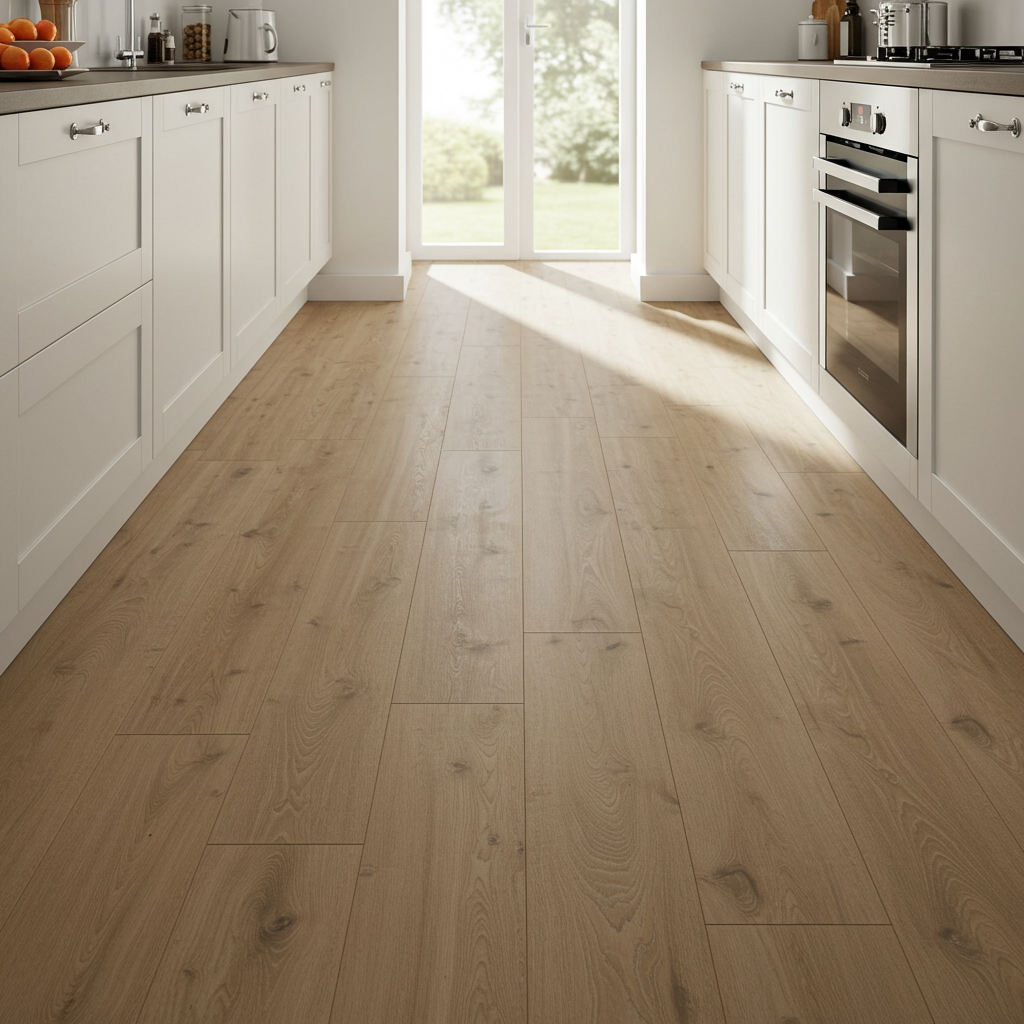
Laminate Flooring: A Homeowner’s Guide
Laminate flooring is a multi-layer synthetic flooring product designed to mimic natural materials like wood or stone. It typically has a high-density fiberboard (HDF) or wood-particle core, topped with a photorealistic image layer and a clear, hard wear layer on top. The bottom side usually has a thin backing for moisture protection and stability. In short, laminate is composite board made to look like hardwood or tile, bonded under heat and pressure into a single plank. Because it “floats” above the subfloor (not nailed down) and snaps together board-to-board, laminate has become popular as a cost-effective, easy-to-install alternative to solid wood or stone.
Benefits of Laminate Flooring
Laminate offers several key advantages that appeal to homeowners and DIYers:
- Affordability: Laminate is generally much cheaper than solid hardwood or stone. Typical material costs run around $2–$5 per square foot (versus $5–$10+ for hardwood). Its DIY-friendly installation can save on labor too.
- Durability: The top wear layer is extremely tough and scratch-resistant. Laminate resists scuffs, dents, stains, and fading from sunlight. Many brands tout AC-rated durability, with high-density cores that withstand heavy furniture and foot traffic. Some laminates even have antimicrobial or spill-resistant coatings.
- Easy Maintenance: With a sealed surface, laminate cleans up easily. A quick sweep or dry mop removes dust and dirt. For deeper cleaning, a barely-damp mop with a mild cleaner is usually sufficient. Unlike hardwood, it never needs waxing or buffing.
- Style Variety: Laminate flooring comes in a wide range of colors and textures. Modern printing techniques allow high-definition images of wood grain, stone, or tile patterns under textured embossing. You can find laminate that looks like rustic oak, exotic teak, slate, or even ceramic tile – often at a fraction of the price.
- DIY-Friendly Installation: Laminate planks almost always use a click-lock, floating installation. The boards snap or fold together without glue or nails. This makes it feasible for homeowners with basic tools to install in a weekend (see below).
- Resistant to Everyday Wear: Most laminates are designed to stand up to pets, kids, and spills. The high-density core ensures excellent impact resistance, and the top layer protects against scuffing, scratches, and fading. Quality laminates can last 15–25 years in normal residential use.
Together, these benefits explain why laminate flooring has grown significantly in popularity. It typically costs less, installs faster, and requires less skill than traditional hardwood or stone, while still providing a very attractive floor surface.
Installation Methods and DIY Feasibility
Installing laminate is generally straightforward, especially compared to hardwood or tile. Most laminate floors use a floating installation: planks click together (tongue-and-groove style) and are laid over an underlayment, rather than glued or nailed to the subfloor. Underneath, you usually roll out a thin foam or felt underlayment that helps with soundproofing and moisture control. Once the underlayment is in place, you begin laying the boards, tapping them together end-to-end and side-to-side. One small seam (usually a few millimeters) must be left around the room’s perimeter to allow for expansion.
Because of this click-lock system, DIY installation is very feasible. Homeowners with basic carpentry tools (a saw for cutting planks, a tapping block, spacers, and a measuring tape) can do it. No special skills or adhesives are needed. A typical small room can be done in a day once the flooring and tools are ready. Key steps include:
- Prep: Ensure subfloor is clean, flat, and dry. You may need to remove old flooring or trim, and lay a vapor barrier if installing over concrete.
- Underlayment: Roll out foam or felt underlay (many laminates now include it pre-attached). Tape seams as directed.
- Laying Planks: Start in a corner and connect planks edge-to-edge, using spacers against walls to maintain the expansion gap. The locking edges either “snap” flat or fold-in, depending on brand. Continue row by row.
- Cutting to Fit: Use a fine-tooth saw or laminate cutter to trim planks at walls, doorways, and around obstacles. Remember to maintain the expansion gap (installers often wedge off-cut spacers).
- Finishing Touches: Reinstall trim and baseboards, being careful not to pin the boards in place (the gap should remain hidden by shoe molding or quarter-round).
Improper installation (no gap, poorly joined seams) can cause buckling or gaps later, so follow manufacturer instructions carefully. Some installers choose to hire a pro for tricky layouts or very large spaces, but for standard rooms most DIYers manage well.
Tip: Always acclimate laminate boards in the room for 48 hours before installation, to avoid expansion issues.
Maintenance and Cleaning Tips
Laminate floors are low-maintenance but have some important care guidelines:
- Regular Cleaning: Sweep or vacuum with a soft-brush attachment frequently to remove dirt and grit. These particles can scratch the wear layer if left underfoot.
- Damp Mopping: Use a well-wrung microfiber mop or cloth with warm water and a mild detergent. Laminate manufacturers recommend minimal moisture – just a damp (not soaking) mop. For routine cleaning, most dust and spills wipe up easily. Avoid steam cleaners or saturated mopping, as excess water can seep into seams.
- Spill Cleanup: Wipe up spills immediately. Prolonged standing water can cause boards to swell or warp because the core is wood-based. Even “water-resistant” laminates should not be flooded.
- Avoid Harsh Chemicals: Don’t use abrasive cleansers, scouring pads, or wax/polish products. These can dull or damage the finish. Laminate’s sealed surface means you don’t need wax – just a gentle floor cleaner or diluted white vinegar solution if needed.
- Protect from Scratches: Place felt or rubber pads under furniture legs, and avoid dragging heavy objects across the floor. Lift furniture when moving it. Use rugs in high-traffic or entry areas to reduce wear.
- Deal with Gaps or Separation: If seams start to open slightly, tap boards back into place with a block or tapping tool. Quality click-lock systems hold boards tightly, but gaps can occur if planks settle.
Following these simple steps keeps laminate floors looking new.
Laminate vs. Other Flooring Types
Laminate is often compared to hardwood, vinyl, and tile. Here are the key differences:
- Laminate vs. Hardwood: Solid hardwood is 100% wood and can be sanded and refinished many times. It lasts decades (often 80+ years) and can add resale value. Laminate, by contrast, is not real wood and cannot be refinished. It wears out in 15–25 years (depending on quality and traffic). Laminate is generally much less expensive than hardwood. Laminate planks “lock together” and float, so you can often install them over existing wood or subfloors; hardwood usually requires glue or nails. Hardwood is more susceptible to scratches and water damage unless sealed, whereas laminate’s tough wear layer resists daily wear. In summary, hardwood has unmatched natural beauty and longevity, but laminate provides a similar look at lower cost and effort.
- Laminate vs. Vinyl (LVP/LVT): Both come in wood-look planks. Vinyl (especially luxury vinyl plank/tile) is entirely synthetic and 100% waterproof, making it ideal for bathrooms and basements. Laminate has a wood-fiber core and can swell if water pools. Vinyl tends to be slightly more comfortable underfoot (it has more “give”) and is better with heavy moisture or flooding. Laminate often has a more realistic wood texture due to deeper embossing. In cost, both are in a similar mid-range (around $1–$5/sqft). Installation ease is comparable (both have click-lock options). In short, choose vinyl if waterproofing is top priority; choose laminate for the best wood-like appearance at a lower price.
- Laminate vs. Tile: Ceramic or stone tile is extremely hard, durable, and waterproof. It’s ideal for kitchens, bathrooms, and mudrooms. Tiles can last 75+ years but are cold and unforgiving underfoot. Laminate can mimic tile or stone visually, but it feels warmer and softer (at the cost of being less scratch-resistant). Tile installation is more complex (setting mortar, grouting) and harder for DIY, whereas laminate is quicker to float in place. Cost-wise, basic porcelain tile might be similar in price to laminate, but premium stone or large-format tile can be far more expensive. Cleaning: Tile needs grout maintenance, while laminate just needs sweeping. Water: laminate should generally stay out of wet areas; tile handles any moisture. Basically, tile is a high-end, long-lasting choice best for wet zones; laminate is a versatile, budget-friendly choice for dry living spaces.
Here is a quick comparison of some aspects:
| Feature | Laminate | Hardwood | Vinyl (LVP/LVT) | Tile/Ceramic |
| Material | Composite wood core + printed design | Solid wood | Synthetic (PVC-based) | Ceramic or natural stone |
| Looks | Very good imitation (embossed textures) | Authentic natural | Good (especially high-end LVP) | Very realistic (if stone/wood-look tiles) |
| Cost | Low–mid ($2–$5/ft²) | High ($5–$10+/ft²) | Low–mid ($1–$5/ft²) | Low–high ($2–$20+ depending on type) |
| Installation | Floating click-lock, DIY-friendly | Typically nailed/glued, pro recommended | Floating click-lock (similar ease to laminate) | Mortar/grout, difficult DIY |
| Water Resistance | Moderate (standing water can damage) | Low (must seal; warps with moisture) | Excellent (waterproof) | Excellent (waterproof) |
| Durability | Good (AC3–AC5 ratings, ~15–25 yrs) | Excellent (can be refinished, 80+ yrs) | Good (scratch-resistant, often lighter wear) | Excellent (very hard surface) |
| Maintenance | Easy (sweep, damp mop) | Moderate (may need refinishing, careful cleaning) | Very easy (waterproof, can wet-mop) | Easy (can wet-mop, but grout needs care) |
| Comfort/Noise | Firm, somewhat hollow-sounding | Warm, solid feel | Softer underfoot (some foam backing) | Hard, cold surface |
| Resale Value | Lower than hardwood | High (adds value) | Moderate | Moderate to high (especially natural stone) |
Pros and Cons of Laminate Flooring
Pros:
- Cost-effective
- Durable scratch resistance
- Easy to clean
- DIY-friendly installation
- Variety of styles
Cons:
- Moisture sensitivity
- Cannot refinish
- Edge chipping
- Lower resale value
- Comfort factors (sound and feel)
Conclusion
Laminate flooring provides a practical, stylish flooring option that balances cost and performance. Its core strength is delivering the look of wood or stone at a fraction of the price, while holding up well under normal use. For most living rooms, hallways, and bedrooms, laminate offers hassle-free cleaning, pet-friendly durability, and a quick DIY install. The drawbacks — chiefly moisture sensitivity and inability to refinish — mean it’s less ideal for bathrooms or the highest-end installations. But for a living room or kitchen where you want the hardwood look without the price, laminate is often hard to beat.