
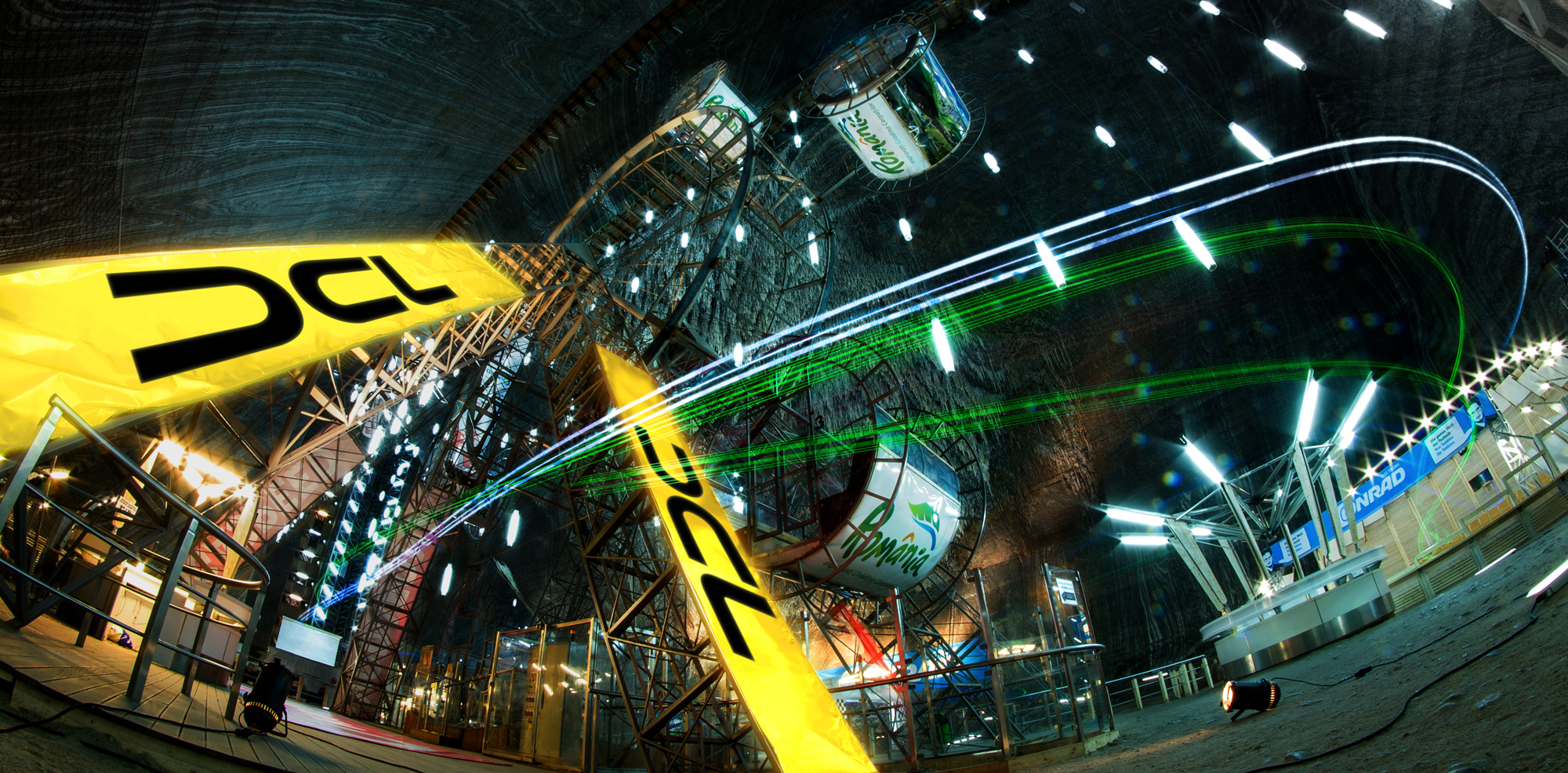
How to Manage Drone Wear and Tear During Drone Champions League Races
In the high-stakes world of the Drone Champions League, maintaining your drone in peak condition is as critical as your flying skills. The intense demands of racing, including high speeds, sudden maneuvers, and collisions, can lead to significant wear and tear on your equipment. To consistently perform at your best, you need a proactive approach to managing drone wear and tear during the season. This article offers practical strategies for ensuring your drone stays race-ready and reliable throughout the competition.
Understand the Causes of Wear and Tear
Before diving into maintenance tips, it’s essential to understand the primary factors that contribute to wear and tear in drone racing. These include:
- High speeds and accelerations: Intense racing puts immense stress on motors, bearings, and propellers.
- Collisions and impacts: Crashes with obstacles or other drones can damage frames, arms, and electronic components.
- Environmental conditions: Dust, moisture, and extreme temperatures can degrade components over time.
- Frequent usage: Regular training and racing increase the strain on batteries, motors, and structural elements.
Understanding these factors helps you prioritize maintenance tasks and implement preventive measures.
Prioritize Quality Components
Investing in high-quality components is your first line of defense against wear and tear. Choose durable frames made from carbon fiber or similar materials that can withstand impacts. Opt for motors with strong bearings and propellers designed for high-speed racing. Reliable electronics, such as ESCs (Electronic Speed Controllers) and flight controllers, ensure consistent performance. While quality components may cost more upfront, they reduce the likelihood of mid-race failures and minimize long-term expenses.
Perform Regular Inspections
Regular inspections are critical for identifying and addressing potential issues before they escalate. After every race or practice session, conduct a thorough examination of your drone, focusing on:
- Propellers: Check for cracks, chips, or warping that can affect aerodynamics and stability.
- Motors: Inspect for debris, overheating, or unusual noise, which may indicate worn bearings or misalignment.
- Frame: Look for signs of cracks, loose screws, or delamination in carbon fiber frames.
- Wiring and connectors: Ensure all connections are secure and free of damage or corrosion.
- Battery health: Check for swelling, leaks, or reduced capacity, which can compromise performance and safety.
Early detection of wear allows you to address issues promptly and avoid costly repairs or replacements.
Clean Your Drone After Each Use
Dust, dirt, and moisture can accumulate on your drone during races, especially in outdoor environments. Cleaning your drone after each session prevents these elements from causing long-term damage. Use a soft brush or compressed air to remove debris from motors, propellers, and electronic components. Wipe down the frame with a microfiber cloth and ensure connectors are free of moisture. Avoid using harsh chemicals that can damage sensitive parts, and always allow your drone to dry completely before storage.
Replace Worn Components Proactively
Waiting for a component to fail during a race can be disastrous. Instead, adopt a proactive approach to replacing parts that show signs of wear. For example:
- Swap out damaged or unbalanced propellers immediately to maintain smooth flight performance.
- Replace motor bearings if you notice reduced efficiency or increased noise.
- Install fresh batteries if their capacity diminishes significantly.
- Reinforce or replace frame sections showing signs of stress or cracking.
Keeping spare parts on hand ensures you can make quick repairs during race days, minimizing downtime and disruptions.
Optimize Battery Usage
Lithium-polymer (LiPo) batteries are a crucial component in drone racing but are also prone to wear over time. To extend their lifespan and ensure reliable performance:
- Avoid overcharging or discharging batteries beyond their recommended voltage range.
- Use a balance charger to maintain even cell voltages.
- Store batteries at a proper storage voltage when not in use for extended periods.
- Keep batteries away from extreme temperatures to prevent swelling or degradation.
- Rotate through multiple batteries during practice to avoid overuse of a single pack.
Proper battery care reduces the risk of power failures and maintains consistent energy delivery.
Protect Against Impacts
Collisions are common in drone racing, but there are ways to mitigate their impact on your equipment. Reinforce your drone’s frame with durable adhesives or protectors in high-stress areas. Install motor guards to shield your motors from direct impacts. Use propeller guards during practice sessions to reduce damage from accidental crashes. While these additions may slightly increase weight, they can save your drone from significant damage in critical moments.
Monitor and Update Firmware
Firmware updates for your flight controller and ESCs often include performance improvements, bug fixes, and compatibility enhancements. Regularly check for updates from the manufacturer and ensure your drone’s software is up-to-date. Updated firmware not only enhances performance but also addresses vulnerabilities that could lead to component failure.
Practice Efficient Flying
While pushing your drone to its limits is necessary in races, practicing efficient flying during training can reduce wear and tear. Focus on smooth maneuvers and controlled speeds rather than aggressive stunts that strain your equipment. Efficient flying minimizes the stress on motors, propellers, and other components, extending their lifespan and reducing maintenance requirements.
Create a Maintenance Schedule
Consistency is key to managing drone wear and tear effectively. Develop a maintenance schedule that outlines regular tasks such as inspections, cleaning, and part replacements. For example:
- Weekly: Perform basic cleaning and inspect propellers, motors, and frames.
- Monthly: Conduct a deeper inspection of electronics, firmware updates, and battery health.
- Pre-race: Double-check all connections, tighten screws, and ensure optimal performance.
A structured schedule ensures no aspect of maintenance is overlooked, keeping your drone in peak condition throughout the season.
Use Data to Monitor Performance
Modern drones often come equipped with telemetry systems that provide real-time data on performance metrics such as motor RPM, battery voltage, and temperature. Use this data to identify potential issues early, such as overheating motors or inconsistent power delivery. Analyzing telemetry data helps you make informed decisions about maintenance and component replacements, improving reliability and performance.
Stay Prepared During Races
Even with meticulous preparation, unexpected issues can arise during races. Carry a well-stocked repair kit with essential tools and spare parts, including propellers, screws, motors, and connectors. Familiarize yourself with quick repair techniques to address common problems on-site. Being prepared minimizes downtime and ensures you can continue competing despite minor setbacks.
Learn From Each Experience
Every race or practice session provides valuable insights into how your drone performs under different conditions. Take note of recurring issues, such as frequent propeller damage or motor overheating, and adjust your maintenance routine accordingly. Continuous learning and adaptation are crucial for staying ahead in the competitive world of the DCL.
Conclusion
Managing drone wear and tear during the Drone Champions League season is a multifaceted challenge that requires attention to detail, proactive planning, and consistent effort. By understanding the causes of wear, investing in quality components, and implementing regular maintenance practices, you can ensure your drone performs reliably in every race. Combine this with efficient flying, real-time data monitoring, and a well-prepared repair kit to handle unexpected challenges. With these strategies, you’ll not only extend the lifespan of your equipment but also position yourself for success in one of the most demanding drone racing competitions.