
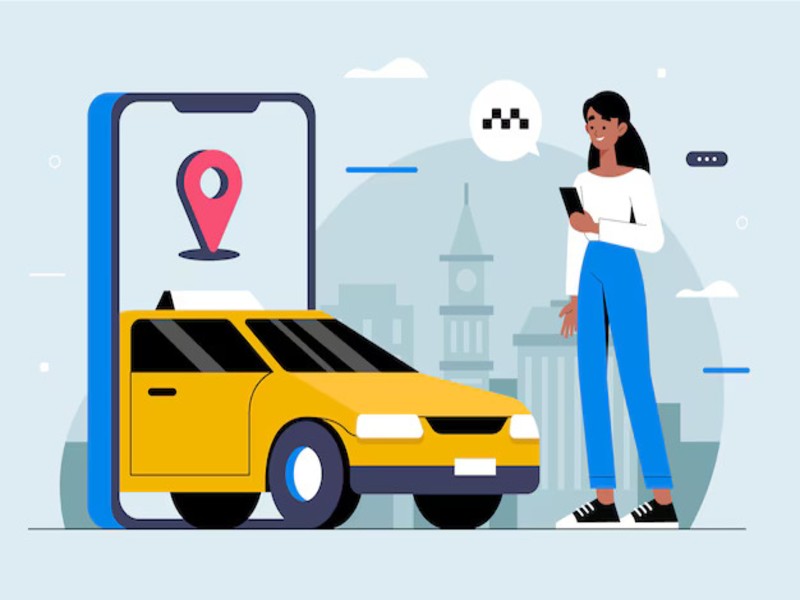
How To Build a Taxi Booking App like Uber or Lyft?
Taxi booking apps like Uber and Lyft have changed how people commute. These platforms connect riders with nearby drivers, providing quick and efficient transportation. If you’re planning to build a similar app, this post will walk you through the key steps and features needed to launch a taxi booking platform that users trust and drivers rely on.
Why Create a Taxi Booking App?
As urban areas grow and transportation demands increase, more people choose app-based ride services over traditional taxis. A well-designed taxi app gives users fast access to rides while helping drivers find customers efficiently. Whether you’re launching a local startup or aiming for a wider market, this model has strong potential when built correctly.
Step-by-Step Process To Build a Taxi App
To create a successful taxi booking app, follow these structured steps from concept to launch.
1. Choose the Right Business Model
Before development begins, define how your app will operate. Here are a few models to consider:
- Aggregator Model: Like Uber and Lyft, this model connects drivers and passengers through a single platform.
- Ownership Model: You own and manage a fleet of cars and employ drivers directly.
- Hybrid Model: A mix of owned vehicles and independent drivers.
Decide which model fits your budget, goals, and market before you proceed.
2. Conduct Market Research
Study competitors in your target location. Analyze pricing, wait times, driver availability, and customer reviews. Pay attention to what people like and what they complain about in existing apps. Use these insights to shape your product with better service options.
3. Define Core Features
To make your app function like Uber or Lyft, you need two separate apps (or app interfaces): one for riders and one for drivers. A web-based admin panel also helps you manage everything.
Rider App Features
- Registration/Login: Use phone number, email, or social media login.
- Booking Interface: Allow users to set pickup and drop locations on a map.
- Fare Calculation: Show estimated fare before the ride starts.
- Real-time Tracking: Let users track the driver’s location.
- Multiple Payment Options: Include credit cards, wallets, and other local methods.
- Ride History: Display previous rides with details.
- Ratings and Reviews: Riders should rate drivers after each trip.
- Push Notifications: Send updates about ride status and driver arrival.
Driver App Features
- Registration/Profile Setup: Include vehicle details and document uploads.
- Trip Alert: Notify drivers of new trip requests with pickup details.
- Navigation: Provide in-app GPS to help drivers reach the rider.
- Earnings Dashboard: Show daily and weekly earnings.
- Availability Toggle: Let drivers go online or offline anytime.
- Ratings System: Let drivers rate passengers too.
Admin Panel Features
- User and Driver Management: Monitor profiles and activities.
- Ride Management: Track trips in real time.
- Payment Control: Handle transactions and disputes.
- Reports & Analytics: Check app performance and make decisions.
- Promo Code Management: Launch and monitor promotions.
4. Choose the Tech Stack
Select technologies based on your budget and team skills. Here’s a common stack:
- Frontend (iOS & Android): Swift (iOS), Kotlin or Flutter (Android or cross-platform)
- Backend: Node.js, Python, or Java
- Database: PostgreSQL or MongoDB
- APIs & Maps: Google Maps API, Stripe API for payments, Firebase for push notifications
- Hosting: AWS, Google Cloud, or Microsoft Azure
If you’re building an MVP, you can use frameworks like React Native or Flutter to save time and money with one codebase for both platforms.
5. Hire a Skilled Development Team
To build a fully functional taxi app, you need developers, designers, and QA testers. Your team should include:
- Mobile app developers (iOS and Android)
- Backend developers
- UI/UX designers
- Project manager
- Quality assurance engineers
You can hire in-house or work with a reliable software development agency. Clear communication and regular updates will help your project stay on track.
6. Develop the App in Stages
Break development into stages to manage time and costs better.
- Prototype: Design basic wireframes showing how the app will look.
- MVP (Minimum Viable Product): Build the essential features for a test launch.
- Testing: Fix bugs, improve performance, and prepare for a live release.
- Full Launch: Release the app in app stores and promote it through marketing channels.
7. Focus on UI/UX Design
A clean, easy-to-navigate interface helps users book rides quickly and reduces app abandonment. Use simple icons, readable fonts, and smooth transitions. Pay attention to loading speed and response times to keep users engaged.
8. Add Security and Compliance
Your app handles sensitive data like personal info, payment details, and location. Use data encryption, two-factor authentication, and secure servers. Also, follow local laws regarding data privacy, driver background checks, and insurance policies.
Tips for Launch and Growth
Getting users and drivers on board is just the beginning—growing your taxi app takes focused action and smart strategies.
Launch Locally First
Start in one city or region. Monitor performance and fix early issues. Once things run smoothly, you can expand to other areas.
Partner with Local Drivers
Recruit local drivers by offering attractive commissions or signup bonuses. Provide training and support to ensure high-quality service.
Promote with Targeted Ads
Use Google Ads, Facebook Ads, and local influencers to reach potential users. Offer first-ride discounts or referral rewards to boost downloads.
Collect Feedback
After launch, encourage users and drivers to share feedback. Use their input to improve features and fix problems quickly.
Final Thoughts
Building a taxi app like Uber or Lyft takes smart planning, a strong team, and the right tools. Start small, test thoroughly, and scale based on user demand. With consistent effort and customer focus, your app can carve a place in the market and grow into a trusted service for everyday travel.