
How PRP is Prepared and What to Expect from Treatment
Platelet-Rich Plasma (PRP) therapy is a medical technique that uses components from a person’s own blood to support tissue healing. PRP is prepared in a specific way to ensure high-quality, potent platelets, ready to aid in recovery. Many patients curious about PRP also want to understand its preparation steps, what happens to the blood during the process, and whether there are any side effects they should know about. This article will guide you through how PRP is prepared and clarify its potential risks and benefits.
Understanding PRP Therapy
PRP, or Platelet-Rich Plasma, is created by concentrating platelets found in the blood. Platelets are essential for healing because they contain growth factors that help tissue repair itself naturally. By collecting and concentrating platelets, PRP therapy provides a high dose of these growth factors, which is especially beneficial in treating sports injuries, joint problems, hair loss, and more.
Step-by-Step: How PRP is Prepared
Preparing PRP is a straightforward yet precise process to ensure that only the best-quality plasma is used. Here’s a breakdown of each step:
- Blood Collection
The process starts with a simple blood draw, usually from the arm. Depending on the treatment area, the amount of blood taken varies. For smaller areas like the face, a small amount may be drawn, whereas larger treatment areas, such as the knee or shoulder, may require more blood to prepare a sufficient amount of PRP. - Centrifugation Process
After collecting the blood, it’s placed into a machine called a centrifuge. The centrifuge spins the blood at high speeds, which causes it to separate into layers. Blood naturally has multiple components: red blood cells, white blood cells, platelets, and plasma. The centrifuge process is what divides these components based on their density. - Separating Platelets and Plasma
Once the blood is separated, the next step is to isolate the platelet-rich portion. PRP preparation techniques vary, but the goal is always to collect a layer rich in platelets and growth factors while discarding the unnecessary portions. Sometimes, the process is repeated with a second centrifugation to further purify the platelet layer, concentrating it even more. - Extraction of PRP
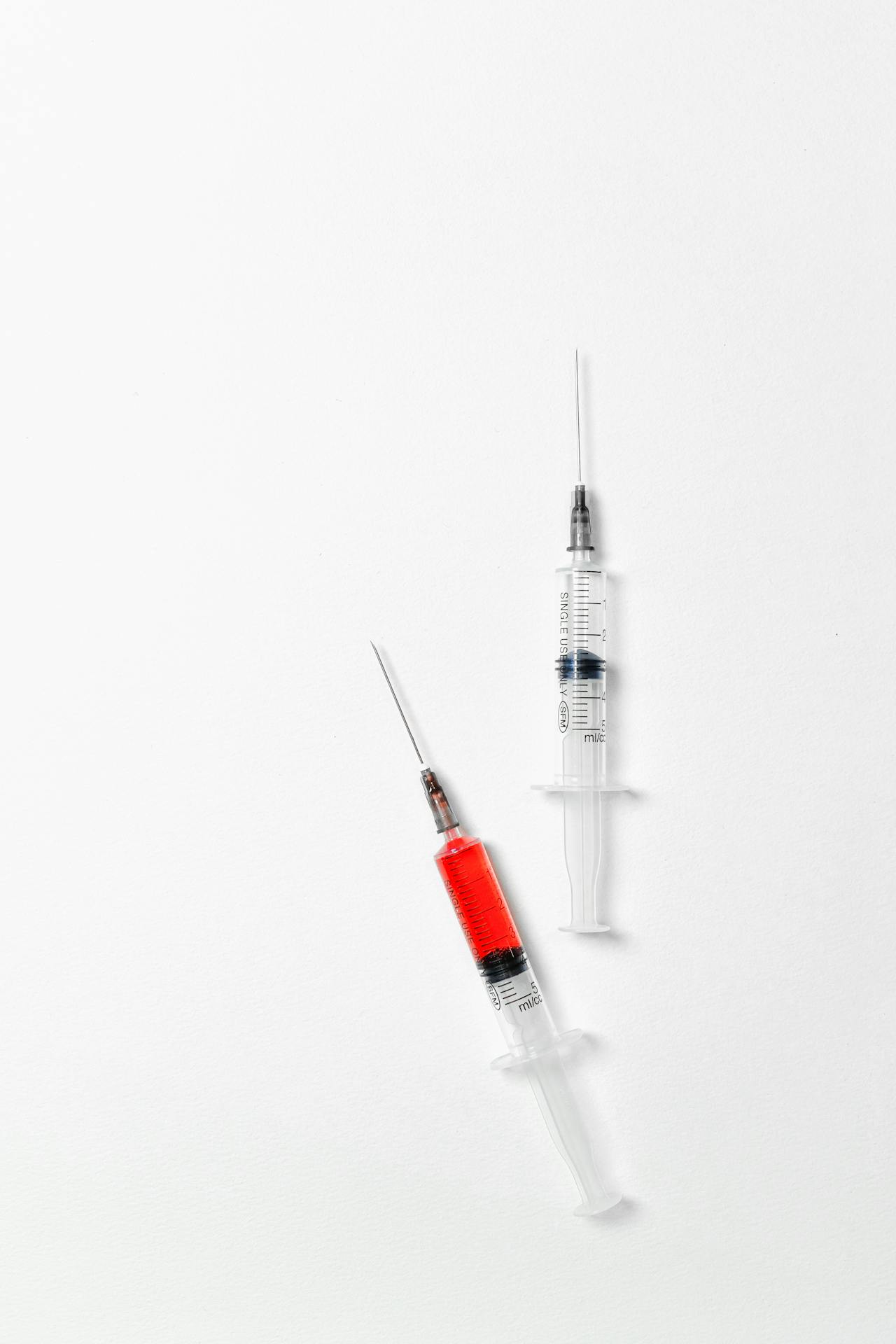
The concentrated PRP is then carefully extracted into a syringe. The remaining components, such as red and white blood cells, are typically discarded. What remains is a golden-yellow, platelet-rich plasma that is ready for injection. - Injection into the Target Area
After preparation, the PRP is injected into the area needing treatment. For joint pain, for instance, PRP might be injected into the knee or shoulder joint. In hair restoration, the PRP is applied to the scalp. This step requires precision to target the specific tissue needing healing.
Why PRP Preparation Is Important
The preparation process plays a critical role in the effectiveness of PRP therapy. By concentrating the platelets, PRP treatment delivers a higher-than-normal dose of growth factors. This makes PRP especially valuable for conditions that benefit from extra support, like damaged tendons, aging skin, or thinning hair. The precise preparation method also minimizes contamination risk and ensures that only the most potent portion of the blood is used.
Does PRP Have Any Side Effects?
Though PRP is generally safe due to its use of the patient’s own blood, there are still some side effects and risks to consider. Here are the most common ones:
- Injection Site Reactions
The most typical side effect is soreness at the injection site. Since PRP involves an injection, mild pain, redness, or swelling may occur shortly after treatment. These symptoms are usually temporary and subside within a few days. - Infection
Any time a needle is used, there’s a minor risk of infection. However, this risk is low in PRP therapy since it’s an autologous treatment—meaning it uses the patient’s own cells, which minimizes immune response risks. - Bruising or Bleeding
Mild bruising or bleeding at the injection site can occur, especially in patients with sensitive skin. If you take blood-thinning medications, it’s crucial to inform your provider, as these can increase bleeding risks. - Temporary Flare-Ups
For some patients, PRP may cause a short-term increase in pain in the treated area. This is usually due to the body’s natural response to the concentrated growth factors and often subsides within a week. - Nerve or Tissue Damage
Although rare, there’s a slight risk of nerve or tissue damage during the injection process. Choosing a qualified professional is important to ensure safe and precise application.
Benefits of PRP Compared to Other Treatments
PRP has unique advantages because it’s a natural therapy derived from the patient’s own blood. Here’s how it compares to some alternatives:
- Steroid Injections: While steroid injections provide immediate pain relief, they are generally short-term solutions and can have side effects if used repeatedly. PRP, in contrast, promotes natural healing over time without synthetic substances.
- Surgical Procedures: For patients with chronic pain or injury, surgery can be invasive and involve longer recovery times. PRP therapy offers a non-surgical alternative that’s less disruptive and has minimal downtime.
- Topical or Oral Medications: These may provide temporary relief but don’t directly target the healing process. PRP, however, focuses on regenerating tissues from within, making it effective in the long run.
Factors Influencing PRP Treatment Outcomes
Several factors can influence how effective PRP is, including the concentration of platelets, the specific area being treated, and the patient’s overall health. Typically, patients with healthy lifestyles and no chronic illnesses see better results from PRP therapy. Also, maintaining realistic expectations is essential, as PRP often requires a few weeks to a few months for noticeable improvement.
Considering PRP for Your Needs?
PRP therapy can be a viable option for individuals looking to harness natural healing properties to address issues like joint pain, skin rejuvenation, or hair loss. Because the PRP preparation process is tailored to each patient, it’s important to consult with a professional to determine if it’s right for you.
At Accretion Portal, we provide high-quality PRP injections and a range of related products for medical professionals and individuals interested in PRP therapy. Our mission is to ensure safe, effective solutions that support your health and recovery goals. Visit Accretion Portal to explore our PRP offerings and discover how PRP can work for you.