
How Much Maintenance Does a Solar System Really Require?
When John finally decided to go solar, his biggest fear wasn’t the upfront cost — it was the unknowns.
“What happens after installation?” he asked. “Will I be climbing the roof every month to clean panels or replace something?”
Fast forward two years, John’s system had powered through scorching summers, heavy rains, and a few dust storms. Yet, he’d only given it a quick rinse twice — and it still performed flawlessly.
That’s when he realized what most homeowners eventually do: solar maintenance is simpler than you think. But how simple is it really? Let’s uncover the truth behind how much maintenance a solar system really requires.
Understanding Solar System Maintenance Basics
Solar panels are designed to be low-maintenance systems. They have no moving parts, which means less wear and tear compared to traditional home energy equipment. The main goal of maintenance is to keep panels clean and ensure optimal performance.
However, “low maintenance” doesn’t mean “no maintenance.” Environmental factors, location, and installation type all play a role in determining what kind of upkeep your system needs.
Cleaning – The Core of Solar Care
How Often Should You Clean Solar Panels?
For most homeowners, cleaning panels once or twice a year is enough. If you live in a dusty area, near trees that drop pollen or sap, or by the ocean (where salt residue can accumulate), you
The Right Way to Clean Panels
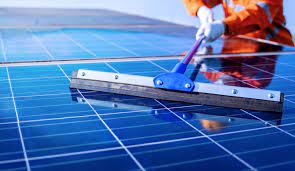
Cleaning solar panels is simple:
- Rinse them with a garden hose early in the morning or evening.
- Use soft sponges or microfiber cloths if there’s buildup.
- Avoid abrasive materials or harsh chemicals.
Alternatively, you can hire professional solar cleaning services once or twice a year — especially if your roof is hard to access.
Monitoring System Performance
Modern solar systems come equipped with monitoring apps that track energy production. These tools are your first line of defense against hidden issues.
If your app shows a sudden drop in production, it might indicate shading, debris buildup, or a technical issue.
Most solar companies, like IntegrateSun, even offer remote monitoring support to keep your system performing at its peak without you lifting a finger.
Inverter and Electrical Components
While panels can last 25+ years, inverters typically need replacement after 10–15 years.
They’re the hardest-working component, converting DC power into AC for home use. Regularly check your inverter’s indicator lights:
- Green or blue light = system operating normally.
- Red or orange light = issue detected, may require service.
Periodic professional inspections (every 2–3 years) help ensure wiring, junction boxes, and breakers are in good condition.
Weather and Seasonal Care
Solar panels are built to withstand harsh conditions — from heavy rain to hail and snow. However, post-storm inspections can prevent minor issues from becoming major ones.
What to Check After Extreme Weather
- Look for visible cracks or loose mounts.
- Ensure debris or branches haven’t shaded the panels.
- Confirm your monitoring system reports normal energy output.
If you spot damage, contact your installer immediately — most warranties cover weather-related issues.
Professional Maintenance Plans
Some homeowners prefer signing up for annual maintenance plans, which include:
- Panel cleaning
- System inspection
- Performance reporting
- Inverter and wiring check
These plans ensure long-term reliability and protect your investment. Think of them like routine dental checkups — small steps that prevent bigger problems later.
The Real Cost of Solar Maintenance
Here’s the good news: solar maintenance costs are minimal.
Most homeowners spend less than $150–$300 per year, mainly on optional professional cleanings or occasional inverter checks.
When compared to traditional generators that require fuel, oil changes, and parts replacement, solar comes out far cheaper and cleaner in the long run.
So, How Much Maintenance Does a Solar System Really Require?
In reality, not much at all.
Regular monitoring, a bit of cleaning, and a professional checkup every couple of years are typically all it takes to keep your system running smoothly.
Modern solar systems are designed for self-sufficiency, with warranties covering 25 years or more — ensuring your panels continue delivering free energy with little effort on your part.
Conclusion
When people ask, “How Much Maintenance Does a Solar System Really Require?” the answer might surprise them.
It’s not about constant upkeep or expensive repairs — it’s about trusting a system built for endurance.
From John’s experience to thousands of homeowners across the country, the truth remains: solar power isn’t just sustainable energy — it’s sustainable simplicity.
Once installed, you’ll barely notice it’s there — except every month when your electric bill reminds you of the sun quietly working for you.