
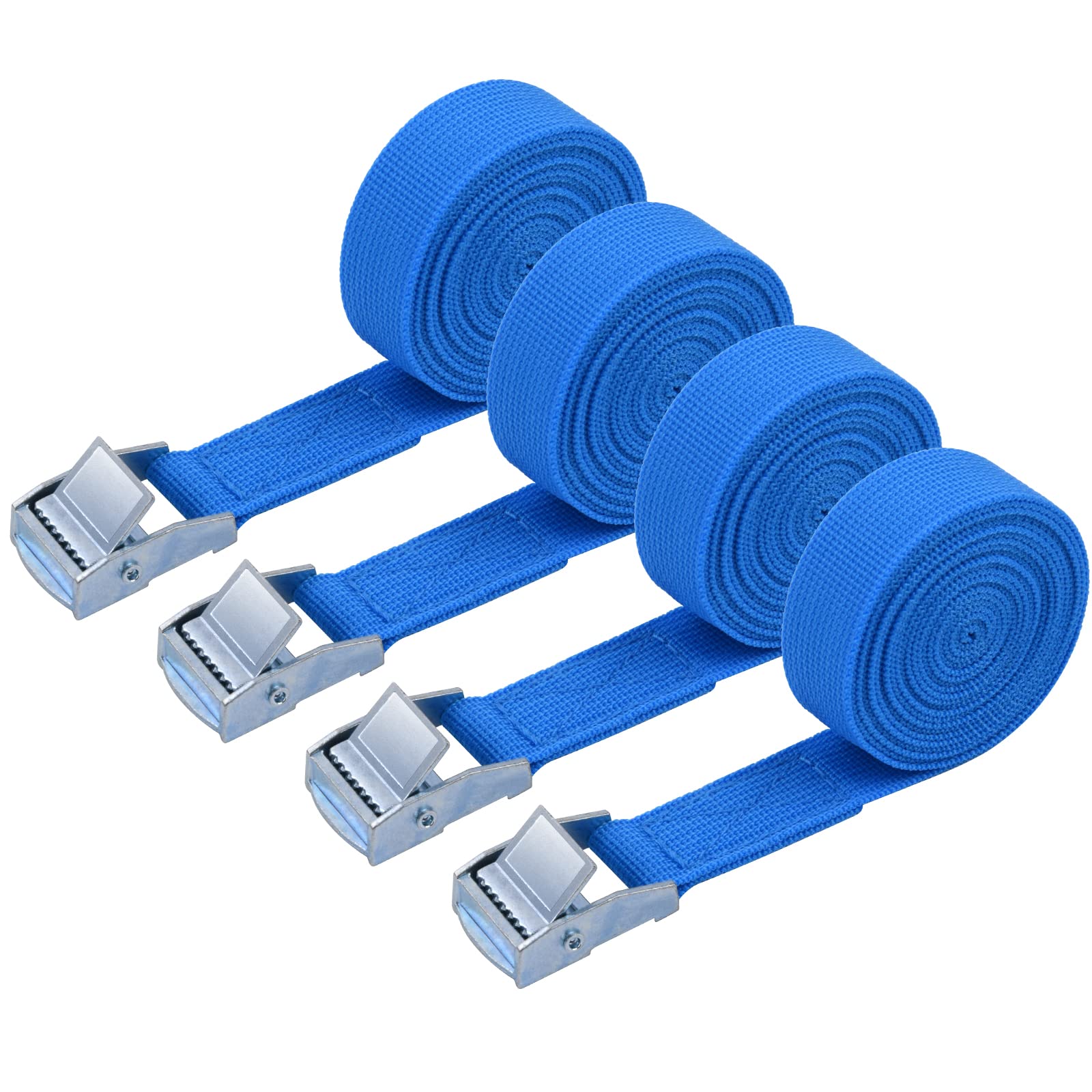
Heavy Duty Ratchet Straps: The Ultimate Guide to Secure Heavy Loads
When it comes to transporting large, heavy cargo, safety is non-negotiable. Heavy duty ratchet straps are essential tools that provide secure, reliable tie-downs for trucks, trailers, and even industrial applications. If you are involved in moving equipment, vehicles, or substantial materials, investing in quality ratchet straps can save you time, money, and potential hazards. We’ll explore what heavy duty ratchet straps are, their key benefits, how to choose the right one, and important tips to use them safely.
What Are Heavy Duty Ratchet Straps?
Heavy duty ratchet straps, also known as tie-down straps, are strong webbing straps equipped with a ratcheting mechanism that allows you to tighten and secure loads effectively. They are designed to handle substantial weights, with many models rated for thousands of pounds.
Typically made from durable polyester webbing, these straps resist stretching, abrasion, and UV damage, making them suitable for both short and long hauls. The ratchet mechanism ensures a tight hold without slipping, providing peace of mind that your cargo remains firmly in place.
Why Use Heavy Duty Ratchet Straps?
Choosing heavy duty ratchet straps over regular ropes or bungee cords offers several distinct advantages:
1. Superior Strength
Heavy duty straps are engineered to handle extreme loads, often rated at 5,000 pounds or more. This strength ensures they can secure heavy machinery, vehicles, or large construction materials with ease.
2. Reliability
The ratcheting system allows users to apply consistent tension without worrying about loosening over time. Unlike knots or hooks that might shift during transport, ratchet straps maintain their grip throughout the journey.
3. Versatility
Available in various lengths and widths, ratchet straps are adaptable for different load sizes and types. Whether you’re transporting an ATV, pallets, lumber, or industrial equipment, there’s a strap that suits your needs.
4. Durability
Made from high-quality materials, heavy duty ratchet straps resist environmental factors like UV rays, moisture, and abrasion. This ensures longevity and continued performance even in tough conditions.
Key Features to Look for in Heavy Duty Ratchet Straps
When shopping for heavy duty ratchet straps, it’s important to know what to look for:
- Working Load Limit (WLL): This is the maximum weight the strap can safely handle. Always choose a strap with a WLL greater than the weight of your cargo.
- Strap Width: Wider straps distribute tension more evenly, making them suitable for heavier loads.
- Material Quality: Look for straps made of industrial-grade polyester that resists weather damage and stretching.
- End Fittings: Consider whether you need flat hooks, S-hooks, or chain extensions based on your anchoring points.
- Length: Ensure the strap is long enough to secure your load but not so long that it creates excess slack.
How to Properly Use Heavy Duty Ratchet Straps
Using ratchet straps correctly is crucial for safety. Here’s a step-by-step overview:
- Inspect the Strap: Always check for frays, cuts, or damaged hardware before use.
- Thread the Strap: Feed the webbing through the ratchet spool.
- Secure Hooks: Attach the end fittings to solid anchor points.
- Tighten the Strap: Pump the ratchet handle to tighten the strap until the cargo is firmly secured.
- Lock the Ratchet: Ensure the ratchet handle is closed and locked to prevent accidental loosening.
- Check the Load: Double-check the security before hitting the road.
Safety Tips for Using Heavy Duty Ratchet Straps
- Don’t Overload: Never exceed the rated working load limit of your straps.
- Use Edge Protectors: Sharp edges on cargo can damage straps. Use corner protectors to preserve the integrity of the webbing.
- Avoid Twisting: Keep straps flat against the cargo to prevent twisting, which reduces their strength.
- Regular Maintenance: Clean and store your straps properly to prolong their lifespan.
Common Applications for Heavy Duty Ratchet Straps
Heavy duty ratchet straps are indispensable across many industries:
- Automotive Transport: Securing cars, motorcycles, and ATVs on trailers.
- Construction: Moving heavy equipment, scaffolding, and building materials.
- Agriculture: Transporting machinery like tractors and harvesters.
- Shipping and Logistics: Tying down large cargo loads for safe transit.
Whether you are a professional driver, a contractor, or simply someone who needs to transport heavy goods, having the right ratchet straps on hand is a smart investment.
FAQs About Heavy Duty Ratchet Straps
Q1: How do I know what size ratchet strap I need?
A: Measure your load dimensions and weight. Choose a strap with a working load limit that exceeds your cargo’s weight and a length that allows secure fastening without too much excess.
Q2: Can ratchet straps be repaired if damaged?
A: Minor issues like frayed ends can sometimes be repaired, but if the webbing or ratchet mechanism is compromised, it’s safer to replace the strap.
Q3: How should I store ratchet straps?
A: Store them in a cool, dry place away from direct sunlight. Keep them rolled up neatly to avoid tangling and inspect them regularly.
Q4: Are there weather-resistant ratchet straps?
A: Yes, many heavy duty ratchet straps are made from polyester that resists UV rays, water, and mildew, making them suitable for outdoor use.
Q5: Can I use ratchet straps for lifting?
A: No, ratchet straps are designed for securing loads, not for lifting or hoisting. Always use appropriate lifting slings for hoisting applications.