
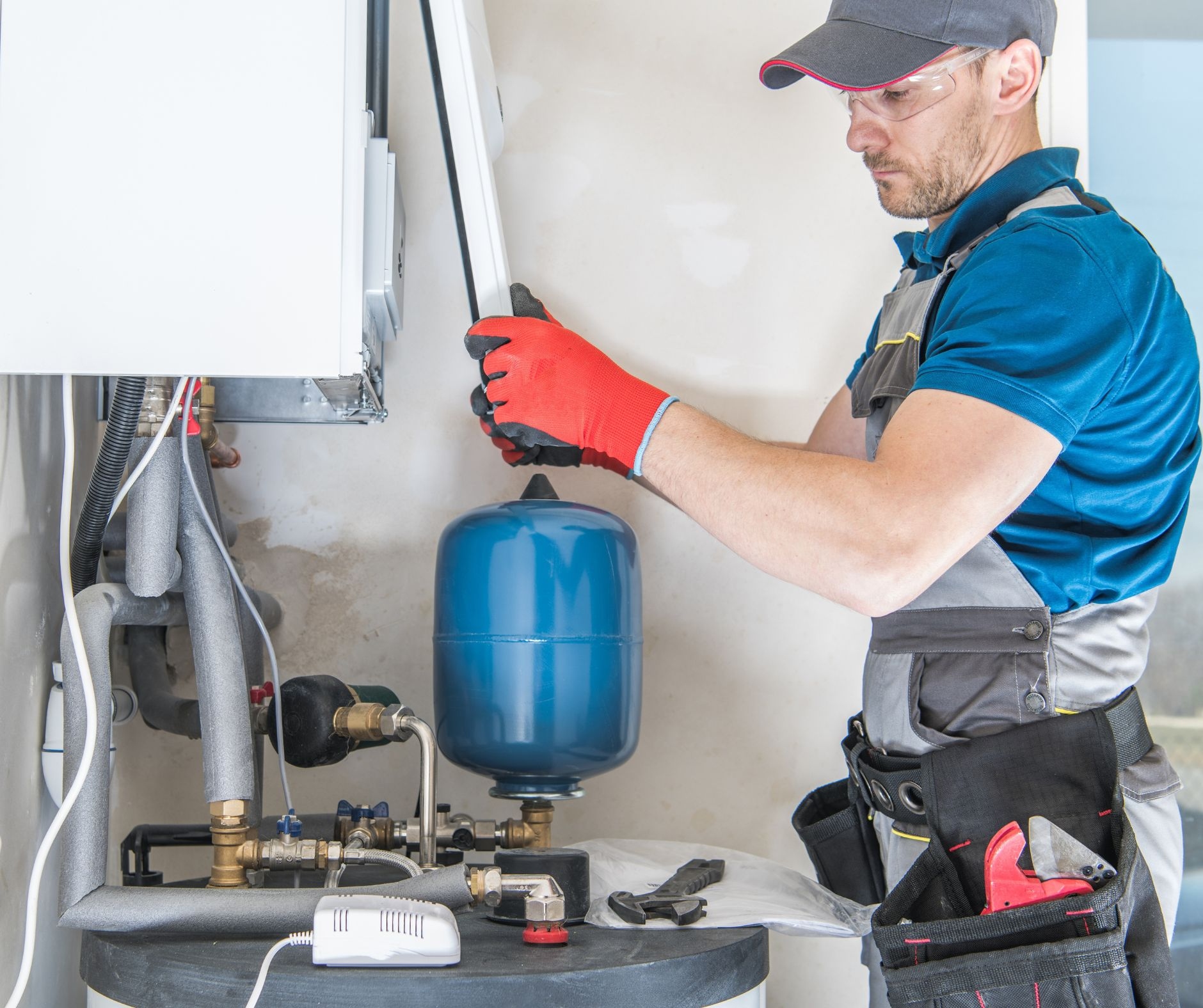
Heating Maintenance vs. Heating Repair: What’s the Difference?
It’s a chilly morning in St. George. You wake up and notice the house feels colder than it should. You check the thermostat, and it confirms your suspicion: the temperature is several degrees below what you set it to. At this moment, you’re faced with a decision that every homeowner encounters—do you need a simple tune-up, or is this a sign of a major breakdown? Understanding the distinction between heating maintenance and heating repair is crucial, not just for your comfort, but for your wallet and peace of mind. While they might seem similar, these two services represent fundamentally different approaches to caring for your heating system: one is a proactive strategy for prevention, and the other is a reactive response to failure.
The Fundamental Distinction: An Ounce of Prevention vs. a Pound of Cure
At its core, the difference comes down to timing and intent.
Heating Maintenance is a proactive, scheduled service. Think of it as an annual physical for your furnace or heat pump. It’s performed when your system appears to be running normally, with the goal of keeping it that way. A maintenance visit is planned, predictable, and designed to catch small issues before they become big, expensive problems.
Heating Repair is a reactive, unscheduled service. This is what you need when your system has already failed or is showing clear signs of malfunction. A repair is unplanned, often urgent, and focuses on fixing a specific, identified problem to restore your heat.
Confusing these two is like confusing a routine dental cleaning with an emergency root canal. One is preventative care you schedule to maintain health; the other is emergency treatment you seek to relieve pain and fix a serious issue.
What is Heating Maintenance? Your System’s Annual Physical
When a technician performs heating maintenance, they are conducting a comprehensive inspection, cleaning, and tune-up of your entire system. This is a systematic process, not a quick look-over.
A Typical Maintenance Visit Includes:
- Safety Checks: This is the most critical part. The technician will inspect the heat exchanger for cracks—a potential source of carbon monoxide leaks. They’ll check gas pressure and connections (for gas furnaces) and test all safety controls and limit switches to ensure they will shut the system down if an unsafe condition arises.
- Cleaning and Adjustment: They will clean the burners to ensure a crisp, efficient flame and vacuum out the blower compartment to remove dust and debris that can impede airflow. The flame sensor, a small but crucial component, will be cleaned to prevent the system from shutting off unexpectedly.
- System Performance Analysis: The technician will check the thermostat’s calibration, measure the temperature rise across the heat exchanger, and check the amp draw on the blower motor. These measurements ensure your system is operating within its designed specifications for maximum efficiency and longevity.
- Component Inspection: All electrical connections are tightened, the blower motor is lubricated if necessary, and the belt is checked for wear and proper tension.
The primary goal of maintenance is not to fix something that is broken, but to verify that everything is in good working order and to make minor adjustments to keep it that way. It’s a scheduled, relatively low-cost investment in the health of your system.
What is Heating Repair? The Emergency Response for a Broken System
Heating repair comes into play when a component of your system has already failed. Instead of a broad inspection, the focus is narrow and diagnostic: find the faulty part and replace or fix it.
Common Repair Scenarios:
- The System Won’t Start: You turn up the thermostat and hear nothing. This could be a tripped circuit breaker, a faulty thermostat, a broken ignitor, or a malfunctioning pressure switch.
- Inadequate Heat: The system is running, but the air coming from the vents is lukewarm. This could point to a clogged filter, a failing blower motor, a cracked heat exchanger, or (for a heat pump) a refrigerant leak.
- Strange Noises: A sudden screeching sound might indicate a worn blower motor belt or failing motor bearings. A rumbling noise could signal a dirty burner or a problem with the gas valve. A “puff-back” or small explosion at ignition is a serious safety concern.
- Frequent Cycling: The system turns on and off every few minutes. This short-cycling can be caused by a dirty flame sensor, an oversized unit, or a clogged air filter.
The repair process is diagnostic. The technician will ask you about the symptoms, use their expertise and tools to pinpoint the cause, and then present you with a solution and cost to fix that specific issue. It is, by its nature, an unplanned expense that addresses an immediate problem.
The Cost-Benefit Analysis: Why the Distinction Matters to Your Wallet
Understanding this difference is not just academic; it has a direct and significant impact on your finances and your comfort.
The Financial Impact of Maintenance
A seasonal maintenance visit typically costs between $100 and $200. This is a predictable, budgetable expense. For this investment, you receive:
- Higher Efficiency: A clean, tuned-up system doesn’t have to work as hard. The U.S. Department of Energy states that a dirty furnace can be up to 30% less efficient. Maintenance can save you that 30% on your heating bills throughout the winter.
- Fewer Repairs: By catching a $20 loose wire or a $50 worn belt during maintenance, you avoid a $400 service call when that issue eventually causes the system to fail on a holiday weekend.
- Extended System Lifespan: A maintained furnace can easily last 15-20 years. A neglected one might fail after 10-12. This delays the need for a $4,000-$6,000 replacement for years.
The Financial Reality of Repair
A repair bill is unpredictable and can range widely. A simple thermostat replacement might be $150, while a new blower motor or heat exchanger can cost $1,000-$2,000 or more. Without maintenance, you are essentially gambling that you won’t have a major failure. When you lose that bet, the cost is high, both in dollars and in the discomfort of being without heat while you wait for the technician.
The Safety and Peace of Mind Factor
This is where the difference becomes more than just financial.
Maintenance is about risk mitigation. The most important task a technician performs is checking for carbon monoxide (CO) leaks. A cracked heat exchanger can silently pump this odorless, deadly gas into your home. Annual maintenance is your primary defense against this invisible threat. It provides the profound peace of mind that your family is safe.
Repair is about risk resolution. When you call for a repair, a safety hazard may have already presented itself. You might be smelling gas, hearing concerning noises, or already be without heat. The peace of mind in a repair scenario comes from resolving an active crisis, but the stressful event has already occurred.
Making the Smart Choice for Your Home
So, how do you apply this knowledge?
- Schedule Annual Maintenance. Make it a ritual. Every fall, before the heating season begins, have a professional technician service your system. This is the single best thing you can do to avoid repairs.
- Don’t Ignore Small Problems. If you notice a slight increase in your energy bill, a new faint noise, or a minor drop in performance, don’t wait for a full breakdown. Call a professional. A small issue identified early is often a simple, low-cost fix. Ignored, it becomes a major repair.
- Know When to Call for Repair. If your system stops working entirely, is making loud or unusual noises, is producing a strange smell, or is failing to heat your home adequately, you need a repair service, not maintenance.
Conclusion: A Partnership for Year-Round Comfort
Viewing heating maintenance and heating repair as an either/or proposition is a mistake. They are two sides of the same coin, representing a comprehensive approach to home comfort. Maintenance is the strategic, planned partnership you have with an HVAC professional to preserve your system’s health. Repair is the necessary, expert intervention you rely on when that system becomes ill.
By prioritizing annual maintenance, you take control. You transform your relationship with your heating system from one of anxiety and reaction to one of confidence and proactive care. You invest a small amount consistently to protect yourself from much larger, unexpected expenses and to ensure the safety and comfort of your home through the coldest months. In the end, understanding this distinction empowers you to be a savvy homeowner, making informed decisions that guarantee warm, safe, and efficient winters for years to come.