
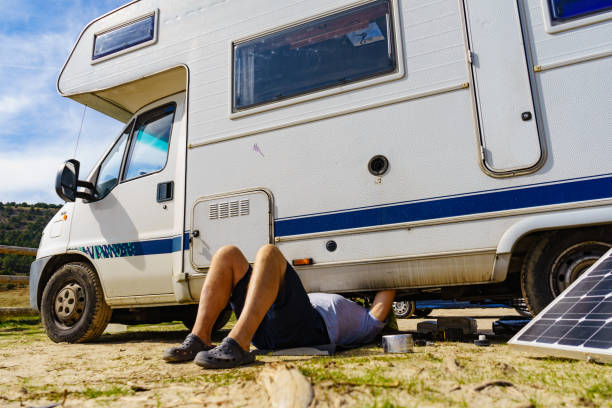
Generator Maintenance for RVs: Best Practices for Reliable Performance
Owning an RV opens up a world of travel and adventure, but it also comes with the responsibility of maintaining various systems, one of the most critical being the generator. A reliable generator ensures you have power for lights, appliances, and other essential functions while on the road or at a campsite. Proper maintenance is key to keeping your generator running smoothly and efficiently. In this article, we’ll explore the best practices for RV generator maintenance, ensuring you can enjoy worry-free travels.
Understanding Your RV Generator
Before delving into maintenance practices, it’s important to understand the two primary types of generators used in RVs: portable generators and built-in (or onboard) generators. Portable generators can be moved as needed, while built-in generators are permanently installed and typically provide more power. Regardless of the type, regular maintenance is essential to avoid unexpected failures and ensure consistent performance.
Why Generator Maintenance Matters
Regular maintenance of your RV generator offers several benefits:
- Reliability: A well-maintained generator is less likely to fail when you need it most, providing peace of mind during your travels.
- Efficiency: Proper maintenance helps your generator run more efficiently, saving fuel and reducing operational costs.
- Longevity: Regular care can significantly extend the lifespan of your generator, protecting your investment.
- Safety: Regular checks help identify potential hazards, reducing the risk of accidents or damage.
Best Practices for Generator Maintenance
1. Regular Inspections
Routine inspections are the first step in effective generator maintenance. Establish a schedule for checking your generator, ideally every time you prepare for a trip.
What to Look For:
- Physical Condition: Check for any visible damage, rust, or corrosion on the generator casing and components.
- Fuel Leaks: Inspect fuel lines for leaks or signs of wear.
- Connections: Examine electrical connections for tightness and corrosion.
2. Change the Oil
Like any engine, your RV generator requires regular oil changes to function optimally. Old oil can become contaminated and lead to engine wear.
How to Change the Oil:
- Gather Supplies: Obtain the appropriate oil, a funnel, and an oil filter (if applicable).
- Warm Up the Generator: Run the generator for a few minutes to warm up the oil, making it easier to drain.
- Drain the Oil: Turn off the generator, then locate the oil drain plug. Place a pan underneath, remove the plug, and allow the oil to drain completely.
- Replace the Filter: If your generator has an oil filter, remove it and replace it with a new one.
- Add New Oil: Reattach the drain plug, then use a funnel to add new oil according to the manufacturer’s specifications.
3. Check and Replace the Air Filter
A clean air filter is essential for optimal generator performance. Clogged air filters can reduce efficiency and lead to engine problems.
How to Maintain the Air Filter:
- Remove the Air Filter: Follow the manufacturer’s instructions to locate and remove the air filter.
- Inspect the Filter: Check for dirt and debris. If it’s washable, clean it according to the manufacturer’s instructions. If it’s disposable, replace it with a new one.
- Reinstall the Filter: Make sure it’s seated properly before closing the generator.
4. Maintain the Fuel System
Proper fuel maintenance is crucial for the smooth operation of your generator. Old or contaminated fuel can lead to starting issues and engine damage.
Tips for Fuel Maintenance:
- Use Fresh Fuel: Always use fresh fuel, as gasoline can degrade over time. If you plan to store your RV, consider using a fuel stabilizer to prolong fuel life.
- Drain Old Fuel: If the generator hasn’t been used for an extended period, drain old fuel before adding new fuel.
- Inspect Fuel Lines: Regularly check fuel lines for leaks or signs of deterioration.
5. Clean the Spark Plug
The spark plug is vital for starting your generator. A dirty or worn spark plug can lead to starting issues or inefficient operation.
How to Maintain the Spark Plug:
- Locate the Spark Plug: Refer to your generator’s manual to find the spark plug.
- Remove the Spark Plug: Use a socket wrench to remove it carefully.
- Inspect and Clean: Check the spark plug for wear or deposits. Clean it with a wire brush or replace it if necessary.
- Reinstall: Tighten the spark plug back into place, ensuring it’s secure.
6. Exercise the Generator
Regularly running your generator is essential for keeping it in good working condition. Exercise the generator every month, even if you’re not using it for an extended period.
How to Exercise the Generator:
- Start the Generator: Run the generator for at least 30 minutes under a load, using appliances or tools to ensure it operates properly.
- Check Performance: Monitor for any unusual sounds or performance issues during operation.
7. Store Your Generator Properly
If you plan to store your RV or generator for an extended period, proper storage is crucial to protect it from damage.
Storage Tips:
- Clean Before Storing: Thoroughly clean the generator, removing any dirt or debris.
- Drain Fluids: If storing for more than a month, drain fuel and oil to prevent degradation.
- Use a Cover: Consider using a protective cover to shield the generator from dust and moisture.
8. Consult the Manual
Each generator is different, so always refer to the manufacturer’s manual for specific maintenance recommendations and intervals. This will ensure you’re following the best practices for your particular model.
Conclusion
Maintaining your RV generator is essential for ensuring reliable performance and maximizing your adventures. By following these best practices, you can keep your generator in top shape, providing you with the power you need for lights, appliances, and more. Regular inspections, oil changes, air filter maintenance, and proper fuel care are all critical components of effective generator maintenance.
Investing time and effort into maintaining your generator not only enhances your RV experience but also protects your investment. With a well-maintained generator, you can enjoy the freedom of the open road without worrying about unexpected power failures. So, take the necessary steps to care for your generator, and embark on your travels with confidence, knowing you’re well-prepared for whatever the journey may bring. Safe travels!