
Estate Car: The Practical Choice for Everyday Driving
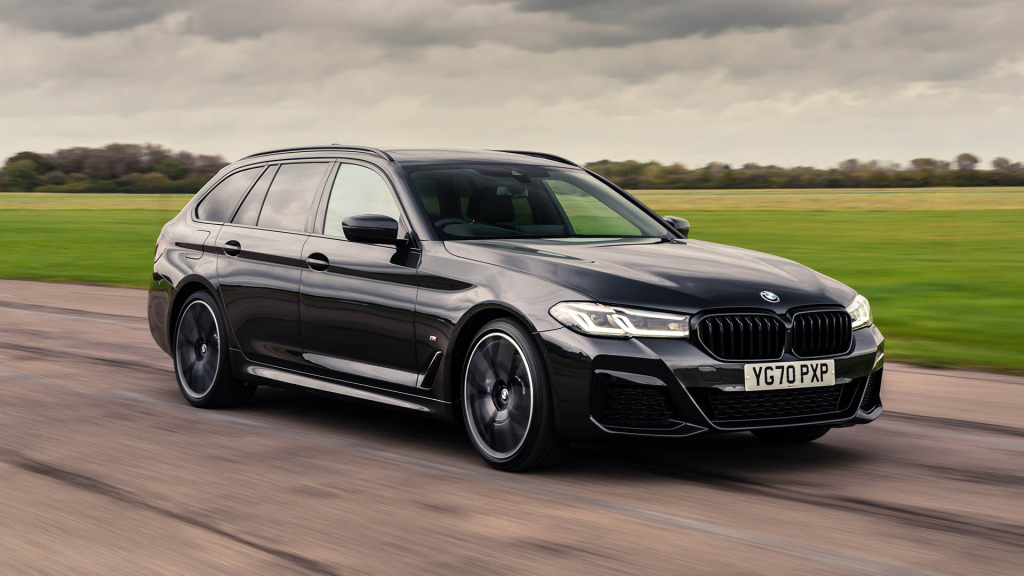
Imagine combining the comfort of a saloon car with the space of a small van — that’s essentially what an estate car offers. Whether you’re a family looking for extra boot space, a frequent traveller, or someone who simply loves convenience, estate cars strike the perfect balance between style and utility.
Table of Contents
| Sr# | Headings |
|---|---|
| 1 | What is an Estate Car? |
| 2 | Key Features of an Estate Car |
| 3 | Benefits of Owning an Estate Car |
| 4 | Estate Cars vs SUVs: Which Is Better? |
| 5 | Popular Estate Car Models |
| 6 | Fuel Efficiency and Economy |
| 7 | Ideal for Family Travel |
| 8 | Estate Cars for Businesses |
| 9 | What to Look for When Buying One |
| 10 | Maintenance and Care Tips |
| 11 | Are Estate Cars Still Popular? |
| 12 | Electric Estate Cars – The Future? |
| 13 | Cost Considerations |
| 14 | Insurance for Estate Cars |
| 15 | Final Thoughts |
1. What is an Estate Car?
An estate car is essentially a saloon with an extended rear cargo area. This design gives it more boot space without sacrificing the comfort and driving experience of a regular car.
2. Key Features of an Estate Car
- Extended rear for added boot space
- Foldable rear seats for versatile cargo options
- Lower ride height compared to SUVs, offering better aerodynamics
- Wide opening boot for easier loading
3. Benefits of Owning an Estate Car
Estate cars are the unsung heroes of the road. They’re:
- Practical: Whether it’s luggage, pets, sports gear, or DIY tools — they fit it all.
- Comfortable: Just like a saloon car, but with added perks.
- Efficient: Often more fuel-efficient than bulky SUVs.
Think of an estate car as the Swiss Army knife of vehicles — ready for just about any task.
4. Estate Cars vs SUVs: Which Is Better?
While SUVs are taller and offer higher seating positions, estate cars:
- Handle better on the road
- Are more fuel-efficient
- Tend to be more affordable
Unless you’re heading off-road regularly, an estate car might just be the smarter choice.
5. Popular Estate Car Models
Some of the best estate cars on the market include:
- Volvo V60 & V90
- BMW 3 Series Touring
- Skoda Superb Estate
- Audi A4 Avant
- Ford Focus Estate
Each model brings its own charm — from luxury to affordability.
6. Fuel Efficiency and Economy
Thanks to their streamlined design, estate cars usually offer better MPG (miles per gallon) than SUVs or vans. With fuel prices rising, this matters more than ever.
7. Ideal for Family Travel
Long road trips? No problem.
- Plenty of legroom
- Space for a week’s worth of luggage
- Rear-seat entertainment setups
- Roof rails for bikes or cargo boxes
It’s like taking your home on wheels.
8. Estate Cars for Businesses
Estate cars are ideal for:
- Real estate agents
- Delivery services
- On-the-go consultants
They present a professional image while carrying tools, products, or samples efficiently.
9. What to Look for When Buying One
Here are some quick tips:
- Check boot size and seat folding options
- Look at safety features (lane assist, parking sensors, etc.)
- Consider running costs like road tax, fuel, and servicing
- Make sure it fits your daily lifestyle needs
10. Maintenance and Care Tips
To keep your estate car in top shape:
- Regularly service the engine and brakes
- Check tyre pressure especially if carrying loads
- Clean the interior boot area – they can get messy!
- Wax the paint to avoid scratches from heavy items
11. Are Estate Cars Still Popular?
Despite the SUV trend, estate cars are still loved by:
- Families
- Older drivers
- Professionals
They offer a practical alternative without being bulky or overpriced.
12. Electric Estate Cars – The Future?
Yes! With brands like MG, Volvo, and Mercedes launching electric estate cars, the market is evolving. You’ll soon see:
- Zero-emission estate vehicles
- Long-range batteries
- Smart features like regenerative braking
13. Cost Considerations
Estate cars can be very affordable:
- Used models start at just a few thousand pounds
- Newer models range from £20,000 to £50,000+
- Running costs are generally lower than SUVs
14. Insurance for Estate Cars
Good news — estate cars often:
- Fall into lower insurance groups than SUVs
- Are seen as safe, low-risk vehicles
- Benefit from multi-driver family policies
Be sure to shop around for the best deals.
15. Final Thoughts
In a world of options, estate cars offer the perfect blend of practicality, comfort, and value. They may not be flashy, but they certainly pull their weight (and then some). Whether for family, business, or adventure — an estate car could be exactly what you need.