
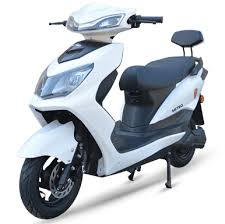
Electric Bike Laws You Should Know in Pakis
Electric bikes (e-bikes) are quickly becoming popular in Pakistan, thanks to rising fuel costs and eco-friendly commuting trends. But here’s the catch: many new riders don’t fully understand the laws and regulations around e-bikes in Pakistan. Let’s break it down so you ride safely and legally.
1. Registration Rules
- Low-powered e-bikes (under 50cc equivalent / usually below 500W):
These often don’t require formal registration with the Excise & Taxation Department in some provinces. However, rules vary—always confirm with your city’s traffic police. - High-powered e-bikes (over 500W or above 50cc equivalent):
Must be registered just like motorcycles. You’ll need documents such as:- CNIC copy
- Sales invoice & manufacturer’s certificate
- Registration fee & number plate issuance
👉 In cities like Karachi, Lahore, and Islamabad, authorities are increasingly requiring registration for all e-bikes, regardless of wattage, to ensure traffic regulation.
2. Driving License Requirement
- For low-speed e-bikes (<30 km/h), generally no license is required.
- For standard and high-speed e-bikes, you need at least a motorcycle license.
- If your e-bike looks and performs like a motorbike, expect traffic wardens to ask for your license.
3. Helmet & Safety Gear
- Just like motorcycles, helmets are mandatory for e-bike riders under traffic laws.
- Failure to wear a helmet can result in fines between Rs. 500 – Rs. 2,000, depending on the city.
4. Traffic Rules Apply the Same
E-bikes are treated almost the same as motorcycles:
- Follow traffic signals.
- No riding on footpaths.
- Avoid overloading (only 1 pillion rider allowed).
- Wrong-way driving is strictly fined.
5. Taxes & Duties
- Currently, no annual token tax applies to low-power e-bikes in many provinces.
- However, some higher-powered e-bikes may fall under motorcycle taxation brackets.
6. City-Specific Rules (Important!)
- Karachi: Authorities are cracking down on unregistered e-bikes after increased theft cases.
- Lahore: Punjab government is subsidizing e-bikes for students, requiring proper registration.
- Islamabad: Traffic Police requires riders to register and carry licenses for most e-bikes.
7. Future Regulations
With the 2025 EV Policy, the government is planning stricter classification:
- Category A (slow-speed, under 30 km/h): No license needed.
- Category B (medium to high-speed): License & registration mandatory.
- Subsidies and tax reliefs may also expand, making compliance easier.
✅ Quick Summary
| Requirement | Low-Powered E-Bikes (<500W) | High-Powered E-Bikes (>500W) |
|---|---|---|
| Registration | Sometimes exempt, city-specific | Mandatory |
| Driving License | Not required if under 30 km/h | Required (motorcycle license) |
| Helmet | Mandatory everywhere | Mandatory |
| Traffic Rules | Same as motorcycles | Same as motorcycles |
| Taxes/Token | Usually exempt | Applicable |
🔑 Final Word
E-bikes are a game-changer for commuting in Pakistan, but riders must stay on the right side of the law. Think of it this way: if your e-bike looks and rides like a motorcycle, treat it like one when it comes to legal requirements.