
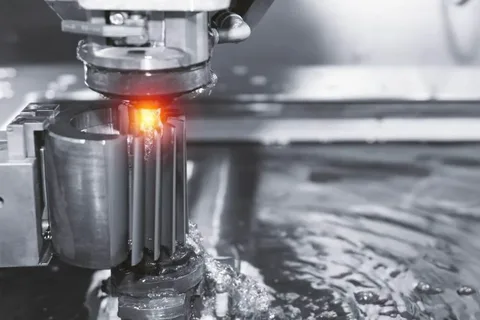
EDM Machining Tips for High-Quality Results and Longer Tool Life
Electrical Discharge Machining (EDM) is an advanced manufacturing process widely used for creating intricate designs and high-precision components. This process relies on controlled electrical discharges between an electrode and the workpiece to remove material, making it ideal for hard metals and complex shapes. To maximize efficiency, improve surface quality, and extend tool life, manufacturers must apply specific strategies during the EDM machining process. Below are essential tips for achieving exceptional results in EDM machining while ensuring your tools last longer.
Understand the Basics of EDM Machining for Precision
Before implementing advanced strategies, it’s essential to have a thorough understanding of how EDM machining works. This process utilizes a series of rapid electrical discharges between the electrode and the conductive workpiece submerged in a dielectric fluid. The electrical sparks erode the material with precision, making EDM suitable for hard-to-machine materials like titanium, carbide, and hardened steel. Unlike traditional machining, EDM does not involve direct contact between the tool and workpiece, reducing mechanical stresses.
However, the success of EDM machining depends on managing critical parameters such as spark gap, power settings, and dielectric fluid quality. Ignoring these factors can lead to poor surface finish, inaccurate dimensions, and increased electrode wear. A solid knowledge of EDM fundamentals will help operators make informed decisions and optimize results from the start.
Optimize EDM Parameters for Maximum Efficiency
One of the most critical aspects of EDM machining is parameter optimization. Settings such as discharge current, pulse duration, and duty cycle significantly impact machining speed, surface finish, and electrode life. For example, higher discharge currents can remove material quickly but may compromise surface integrity and increase tool wear. Conversely, low discharge currents produce finer finishes but slow down the process. Striking the right balance between speed and quality is essential for high-performance EDM machining.
Another factor to consider is the flushing pressure of the dielectric fluid. Poor flushing can cause debris accumulation in the spark gap, resulting in unstable discharges, tool wear, and even short circuits. Maintaining an optimal flushing system ensures smooth operations and enhances both the accuracy and longevity of your EDM tools.
Select the Right Electrode Material and Design
Electrode selection is crucial in EDM machining since the tool directly influences surface finish and dimensional accuracy. Common electrode materials include graphite, copper, and copper-tungsten alloys. Each material has its advantages: graphite electrodes provide excellent machinability and high wear resistance, making them suitable for large cavities, while copper electrodes offer superior surface finishes for fine-detail work. For operations requiring both speed and precision, copper-tungsten blends are often preferred.
Equally important is the design of the electrode. A poorly designed electrode can lead to uneven wear, poor flushing, and dimensional inaccuracies. Incorporating features such as optimized shapes and vent holes for effective flushing can significantly improve performance. Using computer-aided design (CAD) tools to create precise electrode geometries ensures consistent quality and longer tool life.
Maintain Dielectric Fluid Quality and Filtration
The dielectric fluid in EDM machining serves multiple functions, including insulating the electrode and workpiece, cooling the machining zone, and flushing away debris. Poor fluid quality or inadequate filtration can lead to unstable machining conditions, short circuits, and premature tool wear. Therefore, it’s essential to monitor fluid conductivity and contamination levels regularly. Clean dielectric fluid ensures consistent spark discharge, reducing the risk of pitting and improving surface quality.
Investing in a high-efficiency filtration system is another critical step. Fine filters help remove microscopic particles from the fluid, minimizing debris accumulation in the spark gap. Regular maintenance of the filtration system not only extends tool life but also prevents costly downtime caused by irregular discharges or electrode damage
Implement Regular Maintenance and Monitoring Practices
Preventive maintenance is the backbone of achieving high-quality EDM machining results and prolonging tool life. Components such as power supply units, servo systems, and flushing mechanisms should be inspected regularly for wear and tear. Any misalignment or malfunction in these components can compromise machining accuracy and accelerate electrode wear. Establishing a consistent maintenance schedule helps in identifying and addressing issues before they escalate into significant problems.
Additionally, real-time monitoring of EDM parameters can greatly enhance efficiency. Modern EDM machines come equipped with digital controls and sensors that track critical metrics such as gap voltage, spark frequency, and tool wear. Using this data, operators can make quick adjustments to maintain optimal machining conditions. Continuous monitoring not only improves productivity but also ensures consistent quality and longer tool life.
Final Thoughts
EDM machining is a powerful process for producing high-precision components, but achieving the best results requires careful attention to detail. By understanding the basics, optimizing parameters, selecting appropriate electrodes, maintaining dielectric fluid quality, and implementing proactive maintenance, manufacturers can significantly enhance both the quality of their work and the longevity of their tools. These strategies not only improve efficiency but also reduce operational costs, making EDM machining a reliable solution for modern manufacturing needs.