
Does an Energy-Efficient Pool Cleaner Help Save Chemicals
A clean and well-maintained pool is essential for ensuring a safe and enjoyable swimming experience. However, maintaining a pool can be expensive, especially when it comes to the cost of chemicals and energy consumption. Many pool owners are now turning to an energy-efficient pool cleaner as a cost-effective and eco-friendly solution. But does investing in one actually help reduce chemical usage? The answer lies in how these cleaners work and their impact on water quality.
How an Energy-Efficient Pool Cleaner Works
An energy-efficient pool cleaner is designed to operate with minimal electricity while providing effective cleaning. Unlike traditional suction or pressure-side cleaners, which rely on the pool’s pump and filtration system, energy-efficient models, particularly robotic pool cleaners, function independently. These cleaners:
- Use advanced filtration systems to trap dirt and debris.
- Reduce the strain on the pool’s main filtration system.
- Improve water circulation, preventing algae and bacteria buildup.
By maintaining better water quality, they play a crucial role in minimising the need for excessive chemical treatments.
The Connection Between Pool Cleaners and Chemical Usage
Pool chemicals, such as chlorine and algaecides, are essential for keeping water clean and free from harmful bacteria. However, poor water circulation, debris accumulation, and unbalanced pH levels can increase the demand for chemicals. An efficient cleaner helps maintain optimal water conditions by:
1. Reducing Organic Contaminants
Leaves, dirt, and other debris introduce organic matter into the pool, which reacts with chlorine and reduces its effectiveness. This leads to increased chlorine consumption to maintain sanitisation. By thoroughly cleaning the pool floor and walls, an energy-efficient cleaner removes contaminants before they decompose, helping to preserve chlorine levels.
2. Enhancing Water Circulation
Stagnant water promotes algae growth, requiring more algaecide and shock treatments. A pool cleaner with strong circulation capabilities ensures that water is continuously moving, reducing dead zones where algae and bacteria thrive. This improved circulation allows chemicals to distribute evenly, making them more effective in lower concentrations.
3. Filtering Out Fine Particles
Many energy-efficient pool cleaners come equipped with high-quality filtration systems that capture fine particles, preventing them from clouding the water. A cleaner pool means fewer clarifiers and balancing chemicals are needed, resulting in significant cost savings over time.
Lowering Chemical Demand Without Compromising Cleanliness
The goal of using an energy-efficient cleaner is not to eliminate chemicals but to optimise their usage. Here’s how pool owners can strike a balance:
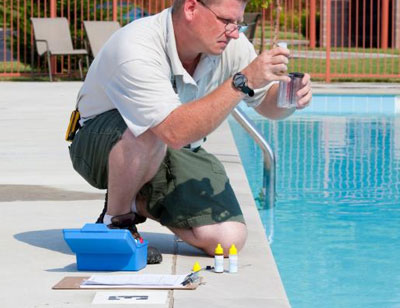
- Test Water Regularly – Maintain proper pH and chlorine levels to prevent unnecessary chemical overuse.
- Use a High-Quality Pool Cleaner – Invest in a model with strong filtration and scrubbing capabilities.
- Monitor Chemical Levels – Reduce chemical dosage gradually as water quality improves with consistent cleaning.
With these steps, pool maintenance becomes both cost-effective and environmentally friendly.
Additional Benefits of an Energy-Efficient Pool Cleaner
Aside from reducing chemical usage, these cleaners provide several other advantages:
1. Energy Savings
Unlike traditional pool cleaners that rely on the pool’s filtration system, robotic and energy-efficient models use low-voltage motors, significantly reducing electricity consumption. This can lead to noticeable savings on energy bills.
2. Extended Equipment Lifespan
By easing the workload on your pool’s pump and filtration system, an energy-efficient cleaner helps prolong their lifespan, reducing the need for costly repairs or replacements.
3. Eco-Friendly Pool Maintenance
Less chemical usage means fewer harmful substances entering the environment. This is particularly beneficial for pools that drain excess water into surrounding areas, preventing chemical pollution.
Choosing the Right Energy-Efficient Pool Cleaner
When selecting a cleaner, consider these factors:
- Filtration Efficiency – Look for models with fine-particle filtration.
- Power Consumption – Opt for low-energy models with smart navigation.
- Cleaning Coverage – Ensure it effectively scrubs walls, floors, and waterlines.
- Ease of Maintenance – Choose a model with easy-to-clean filter cartridges.
By selecting the right cleaner, you can maximise both chemical and energy savings while keeping your pool in top condition.
Final Thoughts
Investing in an energy-efficient pool cleaner is a smart choice for any pool owner looking to reduce chemical usage, cut costs, and improve overall maintenance. These advanced cleaners not only enhance water quality but also contribute to a healthier swimming environment. By improving circulation, removing contaminants, and optimising chemical efficiency, they help maintain crystal-clear water with less effort and expense.
If you’re looking for a sustainable way to manage your pool while saving on maintenance costs, an energy-efficient cleaner is a worthwhile investment.