
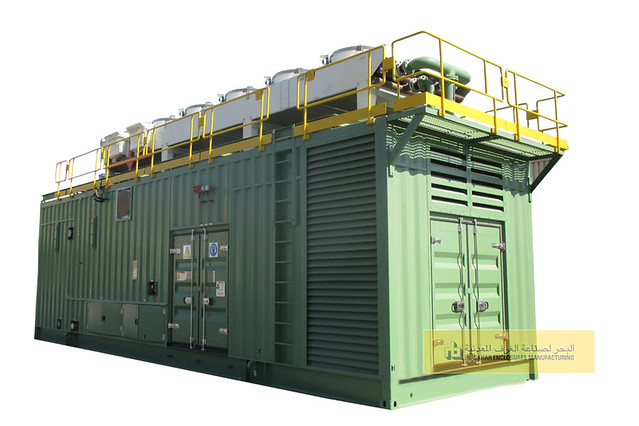
DNV Shipping Containers: Complete Guide to Standards, Benefits, and Applications
When it comes to offshore transport and storage, DNV shipping containers play an essential role in ensuring safety, compliance, and reliability. Certified by Det Norske Veritas (DNV), these containers are built to withstand the harsh conditions of marine and offshore environments while meeting stringent international standards.
In this comprehensive guide, we will explore everything you need to know about DNV offshore containers, their design requirements, benefits, and industries that rely on them for efficient operations.
What are DNV Shipping Containers?
DNV shipping containers are specialised offshore containers designed and certified according to DNV 2.7-1 and ISO standards. Unlike standard ISO shipping containers, DNV containers are built to meet extreme environmental and operational conditions found in offshore oil, gas, and energy industries.
They are engineered with reinforced structures, certified lifting points, impact-resistant flooring, and corrosion-resistant materials to provide maximum safety in handling, lifting, and transportation.
Key Features of DNV Offshore Containers
DNV containers are highly specialised, offering features that distinguish them from conventional shipping containers:
- Compliance with DNV 2.7-1, 2.7-2, and EN 12079 standards
- Heavy-duty steel construction with corrosion-resistant coatings
- Certified slings and lifting sets for safe offshore handling
- Enhanced corner castings and pad eyes for lifting operations
- Weather-resistant sealing to protect against seawater and storms
- Impact-resistant design to withstand offshore loading and collisions
- Multiple container types, including cargo baskets, half-height containers, tanks, and refrigerated units
Types of DNV Shipping Containers
There are various types of DNV offshore containers, each serving a unique purpose in offshore operations:
1. DNV Cargo Baskets
- Long, open-top containers are used to transport irregular or oversized equipment.
- Designed for easy loading and unloading with cranes in offshore environments.
2. DNV Half-Height Containers
- Shorter containers are ideal for transporting heavy bulk cargo like pipes, chains, and drilling tools.
- Lower centre of gravity ensures stability during lifting.
3. DNV Tank Containers
- Designed for the safe transport of chemicals, fuel, and hazardous liquids.
- Equipped with spill containment and safety valves.
4. DNV Refrigerated Containers (Reefers)
- Insulated and temperature-controlled units are used for transporting perishable goods.
- Maintain consistent temperatures even under offshore conditions.
5. DNV Closed Containers
- Fully enclosed for transporting sensitive equipment and general cargo.
- Offer maximum protection against weather and saltwater corrosion.
6. DNV Workshop Containers
- Converted into offshore workshops with built-in workbenches, tools, and safety features.
- Commonly used for on-site repairs and technical operations.
Standards and Certifications for DNV Containers
The DNV 2.7-1 standard is the most widely recognised certification for offshore containers. It ensures that containers meet strict requirements for:
- Structural integrity under dynamic offshore conditions
- Safe lifting and slinging operations
- Impact resistance to withstand accidental drops and collisions
- Material quality and corrosion protection
Other applicable standards include:
- DNV 2.7-2: For specialised offshore service containers such as workshops and laboratories
- EN 12079: European standard for offshore containers
- IMO MSC/Circ. 860: International Maritime Organisation safety guidelines
By adhering to these standards, DNV shipping containers guarantee operational safety and compliance in demanding offshore projects.
Advantages of DNV Offshore Containers
Choosing DNV-certified containers provides several operational and safety benefits:
- Maximum Safety: Built to endure extreme offshore handling and weather conditions.
- Regulatory Compliance: Ensure adherence to international safety and marine transport regulations.
- Versatility: Available in multiple configurations for diverse offshore applications.
- Durability: Manufactured with high-strength materials and anti-corrosion coatings.
- Cost Efficiency: Reduces risk of accidents, cargo damage, and downtime.
Industries That Rely on DNV Containers
DNV shipping containers are widely used across industries where offshore operations are critical:
- Oil and Gas Industry – Transporting drilling tools, pipelines, chemicals, and fuel.
- Marine and Offshore Energy – Safe storage of equipment, cables, and hazardous materials.
- Renewable Energy Projects – Offshore wind farms and subsea installations.
- Defence and Military – Secure transport of sensitive cargo and mission-critical supplies.
- Logistics and Shipping – Specialised transport for hazardous and perishable goods.
Maintenance and Inspection of DNV Containers
To remain compliant, DNV offshore containers must undergo regular inspections and maintenance:
- Visual inspections for structural damage and corrosion
- Lifting set certifications to ensure slings and shackles meet standards
- Load tests to verify lifting capacity and safety performance
- Coating checks to prevent rust and seawater damage
Regular inspection intervals are generally every 6 to 12 months, depending on usage and environmental conditions.
Buying or Renting DNV Offshore Containers
Companies can either purchase or rent DNV-certified containers depending on project requirements.
- Buying is ideal for long-term operations where containers are used frequently.
- Renting provides flexibility and cost savings for short-term offshore projects.
When sourcing, it is crucial to work with certified DNV container suppliers to ensure compliance and safety.
Why DNV Containers Are the Offshore Industry Standard
The reason DNV offshore containers are the preferred choice lies in their unmatched durability, compliance with international regulations, and adaptability to a wide range of offshore applications. They are not just storage solutions but critical safety assets that protect both cargo and crew in high-risk environments.
Read Also: Acoustic Attenuators UAE – Premium Noise Control Solutions
Conclusion
DNV shipping containers are the backbone of offshore logistics, ensuring safe and efficient transport of equipment, hazardous materials, and sensitive goods. With their strict compliance with DNV 2.7-1 standards, superior construction, and adaptability, they remain the gold standard for offshore industries worldwide.
For businesses involved in oil, gas, marine, or renewable energy projects, investing in DNV offshore containers is not just about compliance—it is about ensuring operational safety, reliability, and long-term efficiency.