
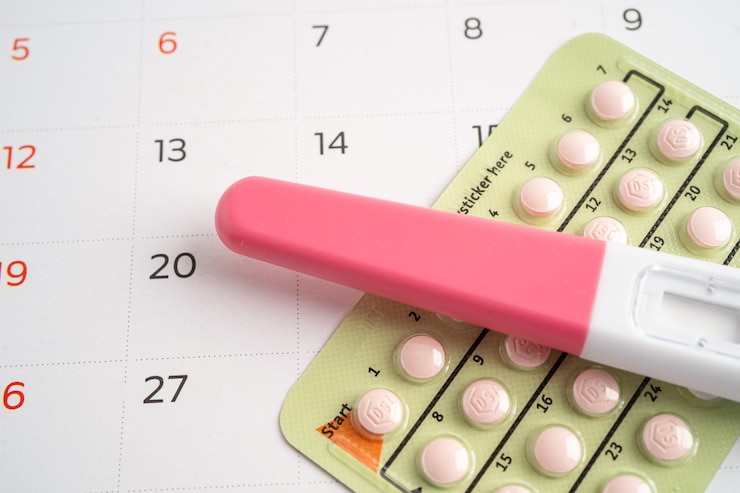
Contraceptive Pills and Modern Women: Redefining Reproductive Health
The invention of the contraceptive pill in the 1960s was a landmark moment in history, giving women unprecedented control over their reproductive lives. For the first time, family planning moved from a game of chance to a conscious choice. Today, the landscape of hormonal contraception has expanded far beyond that initial breakthrough, offering a diverse array of options tailored to the complex needs of modern life.
Understanding these options is the first step toward making an empowered choice about your body and your future. This guide will walk you through the evolution of contraceptive pills, explore the different types available, and weigh their benefits against potential side effects. By the end, you’ll have a clearer picture of how modern contraception can fit into your life, helping you make an informed decision that aligns with your health and personal goals.
The Evolution of the Contraceptive Pill
The first contraceptive pill, Enovid, was approved by the FDA in 1960. It contained high doses of hormones that, while effective at preventing pregnancy, often came with significant side effects like nausea, weight gain, and mood swings. This early version was a one-size-fits-all solution in a world just beginning to understand hormonal contraception.
Thankfully, science didn’t stop there. Over the decades, researchers have refined the formula, drastically reducing hormone dosages and developing new types of synthetic hormones (progestins) to minimize side effects while maintaining efficacy. This has led to the wide variety of contraceptive pills available today, each with a unique hormonal profile.
Types of Contraceptive Pills
Modern contraceptive pills are broadly categorized into two main types: the combination pill and the progestin-only pill.
Combination Pills
As the name suggests, combination pills contain two types of hormones: estrogen and progestin. These work together to prevent pregnancy in three ways:
- Stopping Ovulation: They prevent the ovaries from releasing an egg each month.
- Thickening Cervical Mucus: This makes it more difficult for sperm to reach an egg.
- Thinning the Uterine Lining: This makes it harder for a fertilized egg to implant.
Combination pills are the most common type prescribed. They come in different dosing schedules, typically in 21-day or 28-day packs. With 28-day packs, the last seven (or sometimes four) pills are placebos, or “sugar pills,” that contain no hormones. Taking these placebo pills allows for a withdrawal bleed, which mimics a regular period.
Some newer formulations, known as extended-cycle or continuous-use pills, are designed to reduce the frequency of periods. With these, you might only have a period every three months or even once a year.
Progestin-Only Pills (The “Minipill”)
The progestin-only pill, often called the “minipill,” contains only one hormone: progestin. It primarily works by thickening cervical mucus and thinning the uterine lining. For about half of the women who use it, it also suppresses ovulation.
The minipill is a great option for women who cannot take estrogen due to certain health conditions, such as a history of blood clots, high blood pressure, or migraine with aura. It’s also often recommended for women who are breastfeeding, as estrogen can sometimes interfere with milk supply.
A key difference with the minipill is the need for precise timing. It must be taken within the same three-hour window every day to be effective. In contrast, combination pills offer a bit more flexibility.
The Broader Benefits of Contraceptive Pills
While preventing pregnancy is their primary function, many women use contraceptive pills for their “off-label” benefits. These non-contraceptive advantages can significantly improve quality of life.
Regulating Menstrual Cycles
For women with irregular, heavy, or painful periods, the pill can be a game-changer. By regulating hormones, it can lead to lighter, shorter, and more predictable periods. The reduction in menstrual cramps (dysmenorrhea) is a major reason many women start taking the pill.
Managing Hormonal Acne
Hormonal fluctuations are a leading cause of acne, especially in adult women. Certain combination pills are FDA-approved to treat moderate acne by stabilizing hormone levels and reducing the amount of androgen, a hormone that can trigger excess oil production in the skin.
Reducing the Risk of Certain Cancers
Long-term use of combination pills has been shown to lower the risk of ovarian and endometrial (uterine) cancer. This protective effect can last for years, even after you stop taking the pill.
Alleviating Symptoms of PMDD and Endometriosis
Premenstrual Dysphoric Disorder (PMDD) is a severe form of PMS that can cause debilitating emotional and physical symptoms. By suppressing the hormonal cycle that triggers these symptoms, contraceptive pills can offer significant relief. Similarly, for those with endometriosis—a painful condition where uterine-like tissue grows outside the uterus—the pill can help manage pain and slow tissue growth.
Understanding the Side Effects and Risks
Like any medication, contraceptive pills come with potential side effects and risks. It’s important to remember that every woman’s body reacts differently, and what one person experiences, another may not.
Common side effects, particularly in the first few months, can include:
- Nausea
- Breast tenderness
- Headaches
- Breakthrough bleeding or spotting
- Mood changes
These symptoms often subside as your body adjusts to the hormones. If they persist, your doctor might suggest switching to a different pill with a different hormonal formulation.
More serious, though much rarer, risks associated with combination pills include blood clots, stroke, and heart attack. The risk is highest for women who smoke, are over 35, or have a history of certain medical conditions. This is why a thorough medical history discussion with your doctor is essential before starting any hormonal contraceptive.
Is the Pill Right for You?
Choosing a contraceptive method is a deeply personal decision. The “best” option depends on your individual health, lifestyle, and preferences.
Consider asking yourself these questions:
- Can I remember to take a pill at the same time every day? If not, other methods like the patch, ring, or IUD might be a better fit.
- Do I have any health conditions that might make certain pills risky? Be open with your doctor about your entire medical history.
- What are my goals beyond contraception? Are you looking to manage acne, regulate your periods, or reduce pain?
- Do I smoke? This is a critical factor, especially if you are over 35.
A Conversation with Your Doctor
The world of contraceptive pills is vast and can feel overwhelming. The most important step is to have an open and honest conversation with your healthcare provider. They can help you navigate the options, understand the potential benefits and risks based on your personal health profile, and find the method that truly works for you. Don’t hesitate to ask questions, voice your concerns, and advocate for your own health.
Modern contraception is about more than just preventing pregnancy—it’s about giving you the power to manage your health and plan your life on your own terms. By staying informed and working with a trusted doctor, you can find a solution that empowers you to live your life to the fullest.