
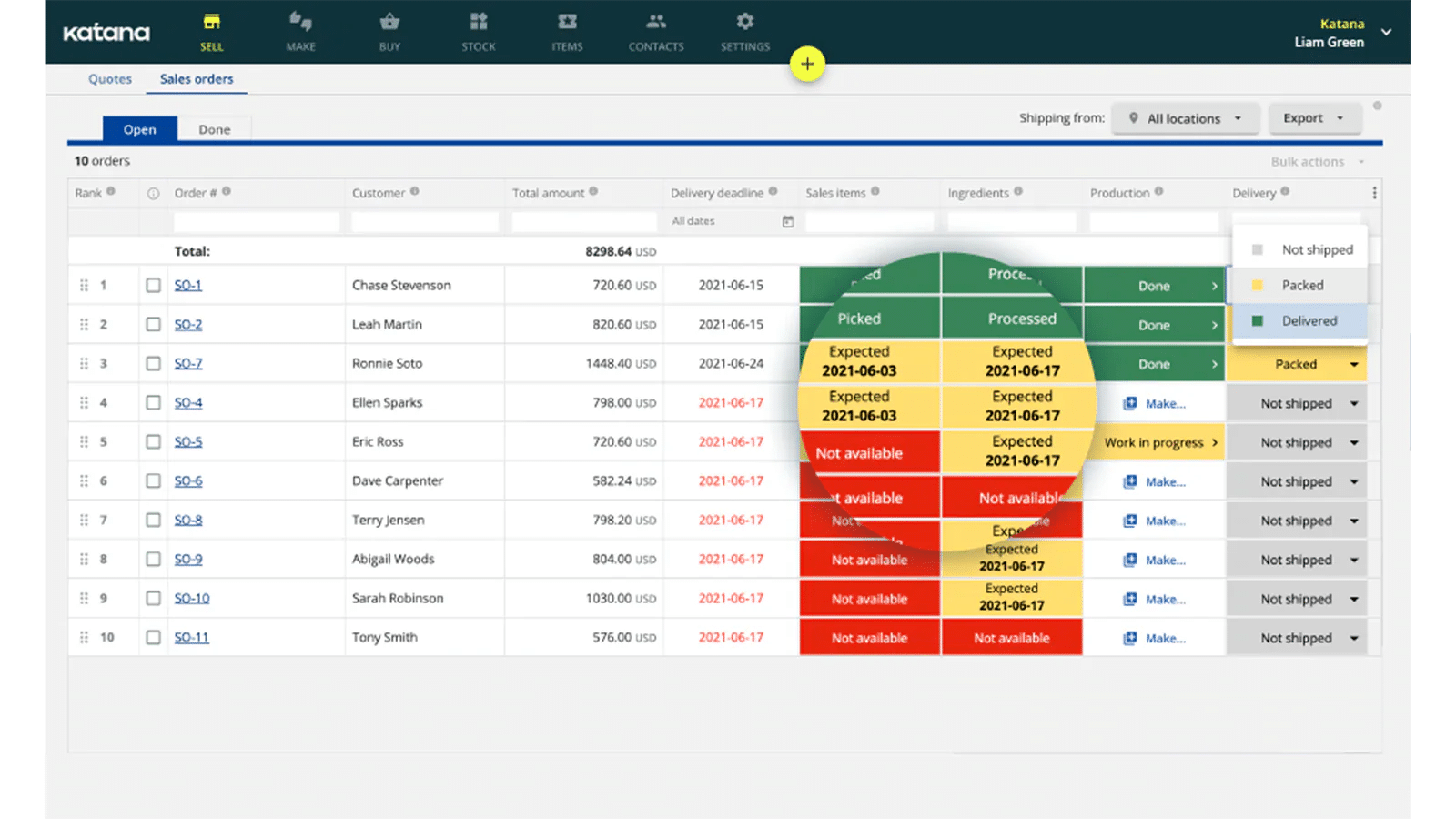
Comprehensive Guide to Warehouse Management Systems and Inventory Software for Modern Businesses
In today’s highly competitive business environment, operational efficiency is crucial for success. Managing a warehouse manually is no longer feasible for companies dealing with large inventories, multiple suppliers, and complex logistics networks. This is where a Warehouse Management System (WMS) and Inventory Management Software come into play. Together, these digital solutions streamline warehouse operations, reduce errors, optimize stock levels, and improve customer satisfaction. This guide explores the importance of warehouse management systems, inventory management software, and procurement software, along with how they work together to create a seamless supply chain.
Understanding Warehouse Management Systems (WMS)
A Warehouse Management System (WMS) is a specialized software solution designed to control and manage warehouse operations. It optimizes the movement, storage, and tracking of inventory from the moment goods arrive until they are shipped to customers. A WMS helps businesses manage every aspect of warehouse functionality — from inventory control and picking to packing, shipping, and replenishment.
The core objective of a WMS is to ensure that the right products are available at the right time, in the right quantity, and at the right location. By automating warehouse tasks, it enhances accuracy, speed, and efficiency.
Key Features of a Warehouse Management System
- Inventory Tracking:
WMS provides real-time visibility of stock levels across multiple locations. Barcode scanning, RFID technology, and IoT integration enable instant tracking of items as they move through the warehouse. - Receiving and Putaway:
The system streamlines the receiving process by verifying incoming shipments, assigning storage locations, and updating inventory records automatically. - Picking and Packing Optimization:
WMS uses smart algorithms to suggest the most efficient picking routes and methods, whether it’s wave picking, batch picking, or zone picking. This reduces labor costs and enhances order accuracy. - Order Management:
The system integrates with sales channels to automate order processing, ensuring that customer orders are fulfilled accurately and on time. - Reporting and Analytics:
Detailed reports on inventory turnover, order accuracy, and employee productivity help managers make informed decisions. - Integration Capabilities:
A modern WMS integrates with inventory management systems, procurement software, ERP systems, and shipping platforms, providing end-to-end visibility across the supply chain.
Benefits of Implementing a Warehouse Management System
- Improved Accuracy: Eliminate manual errors in inventory counts and order fulfillment.
- Enhanced Productivity: Automate repetitive tasks, allowing warehouse staff to focus on higher-value activities.
- Reduced Operational Costs: Optimize space utilization, reduce waste, and minimize labor expenses.
- Real-Time Visibility: Gain accurate insights into inventory levels and warehouse performance at any given time.
- Better Customer Service: On-time and accurate deliveries lead to increased customer satisfaction.
- Scalability: A WMS grows with your business, supporting expansion into new locations or markets.
What is Inventory Management Software?
Inventory Management Software helps businesses monitor and control the movement of stock across multiple locations, suppliers, and sales channels. It tracks inventory levels, orders, sales, and deliveries while preventing stockouts and overstocking. This software is essential for companies that sell physical goods — whether in retail, eCommerce, manufacturing, or distribution.
An Inventory Management System (IMS) ensures that inventory levels are maintained at optimal levels. It automatically updates stock information when new goods arrive or when sales are made, keeping data accurate across all departments.
Core Functions of an Inventory Management System
- Stock Control:
Tracks the quantity and location of products in real time, reducing the risk of lost or misplaced items. - Reorder Management:
Automatically generates purchase orders when stock reaches a predefined threshold, ensuring consistent supply. - Multi-Channel Integration:
Syncs inventory across online stores, physical retail outlets, and marketplaces to maintain unified stock data. - Batch and Serial Tracking:
Enables tracking of products by lot numbers, expiration dates, or serial codes, essential for industries like food, pharmaceuticals, and electronics. - Reporting and Forecasting:
Analyzes sales trends to forecast future demand, helping businesses plan procurement and production effectively. - Integration with WMS and Procurement Software:
When connected to a Warehouse Management System, it ensures that stock movements in the warehouse are automatically reflected in the inventory database. Integration with Procurement Software further streamlines purchasing workflows.
Best Inventory Management Software Solutions
Choosing the best inventory management software depends on business size, industry, and operational requirements. However, the top solutions typically include:
- NetSuite ERP: A comprehensive cloud-based system that combines inventory, warehouse, and financial management.
- Zoho Inventory: Ideal for small and medium-sized businesses, offering affordable automation and integration capabilities.
- Cin7: Combines inventory management, POS, and eCommerce integration.
- TradeGecko (QuickBooks Commerce): Great for online retailers managing multi-channel sales.
- Fishbowl Inventory: A robust solution for manufacturers and wholesalers that integrates with QuickBooks.
- Odoo: An open-source ERP platform that includes inventory, procurement, and warehouse management modules.
The best inventory management software provides automation, scalability, and integration, helping businesses stay competitive in a fast-moving market.
How WMS and Inventory Management Software Work Together
While a Warehouse Management System focuses on the physical management of goods within a warehouse, Inventory Management Software oversees stock levels across the entire supply chain. Integration between the two ensures seamless operations.
For instance:
- When new products arrive, the WMS records the receiving process and updates the inventory database automatically.
- As items are picked, packed, and shipped, the inventory system adjusts stock levels in real time.
- This integration eliminates discrepancies, reduces manual data entry, and ensures accurate order fulfillment.
Together, they create a unified ecosystem that bridges the gap between warehouse operations, procurement, and sales channels.
The Role of Procurement Software in Supply Chain Management
Procurement Software plays a critical role in managing the purchasing process — from supplier selection and purchase requisitions to order management and invoice processing. When integrated with inventory and warehouse management systems, procurement software helps businesses optimize their supply chain efficiency.
Key Features of Procurement Software:
- Supplier Management:
Maintain a centralized database of approved suppliers, along with pricing, contracts, and performance history. - Purchase Order Automation:
Automatically generate purchase orders based on real-time inventory data and reorder points. - Approval Workflows:
Streamline purchase approvals, ensuring compliance with company policies. - Spend Analysis:
Analyze purchasing data to identify cost-saving opportunities and negotiate better supplier terms. - Integration with WMS and Inventory Systems:
Ensures that procurement decisions align with actual stock levels and warehouse capacity.
Benefits of Integrated Procurement and Inventory Systems
- Eliminates Overstocking: Procurement decisions are based on accurate inventory data.
- Improves Supplier Relationships: Better communication and order accuracy lead to stronger partnerships.
- Reduces Lead Times: Automation accelerates the purchasing process.
- Enhances Financial Control: Businesses can track expenses and budgets more effectively.
- Ensures Compliance: Automated workflows reduce human error and maintain procurement policy adherence.
Why Businesses Need an Integrated WMS, IMS, and Procurement System
An integrated approach that combines Warehouse Management Software, Inventory Management Software, and Procurement Software transforms the way businesses operate. Here’s how:
- Seamless Data Flow:
Integration ensures that data from warehouse operations, inventory updates, and procurement processes are synchronized across departments. - Better Decision-Making:
Access to real-time insights enables managers to make data-driven decisions regarding stock levels, supplier performance, and order fulfillment. - Operational Efficiency:
Reduces redundant tasks, improves communication between departments, and shortens lead times. - Scalability:
As businesses grow, integrated systems can easily accommodate new warehouses, products, and suppliers. - Cost Optimization:
By minimizing errors, optimizing storage, and reducing excess inventory, companies can save significantly on operational costs.
Trends Shaping the Future of Warehouse and Inventory Management
- Artificial Intelligence and Machine Learning:
AI-driven analytics predict demand, optimize routes, and automate warehouse operations for better accuracy. - IoT and Smart Warehouses:
Internet of Things (IoT) devices monitor temperature, humidity, and real-time stock movements. - Cloud-Based Solutions:
Cloud-based WMS and inventory systems provide remote access, scalability, and data security. - Robotic Process Automation (RPA):
Robots and automated guided vehicles (AGVs) are transforming warehouse efficiency and reducing human error. - Blockchain for Transparency:
Blockchain enhances traceability across the supply chain, ensuring authenticity and compliance.
How to Choose the Right WMS or Inventory Management Software
When selecting the right system, businesses should consider:
- Scalability: Can it grow with your business?
- Integration: Does it connect seamlessly with existing ERP, CRM, and procurement tools?
- Ease of Use: Is the interface intuitive and user-friendly?
- Customization: Can workflows and reports be tailored to your needs?
- Support and Training: Does the vendor provide reliable customer support?
- Cost Efficiency: Evaluate the total cost of ownership, including licenses, maintenance, and implementation.
Conclusion
In a world driven by data and efficiency, adopting a robust Warehouse Management System (WMS) and Inventory Management Software is no longer optional — it’s essential. These systems bring automation, accuracy, and real-time visibility to warehouse operations, while Procurement Software ensures timely purchasing and cost control. Together, they form the backbone of a modern, digitally connected supply chain.
Whether you’re managing a small retail store or a large global enterprise, investing in the best inventory management software and integrating it with your warehouse and procurement systems will drive operational excellence, reduce costs, and enhance customer satisfaction. The future of supply chain management lies in intelligent, automated systems — and with the right tools in place, businesses can achieve a new level of efficiency, agility, and growth.