
Common Issues with Fixed Caster Wheels and How to Fix Them
Introduction
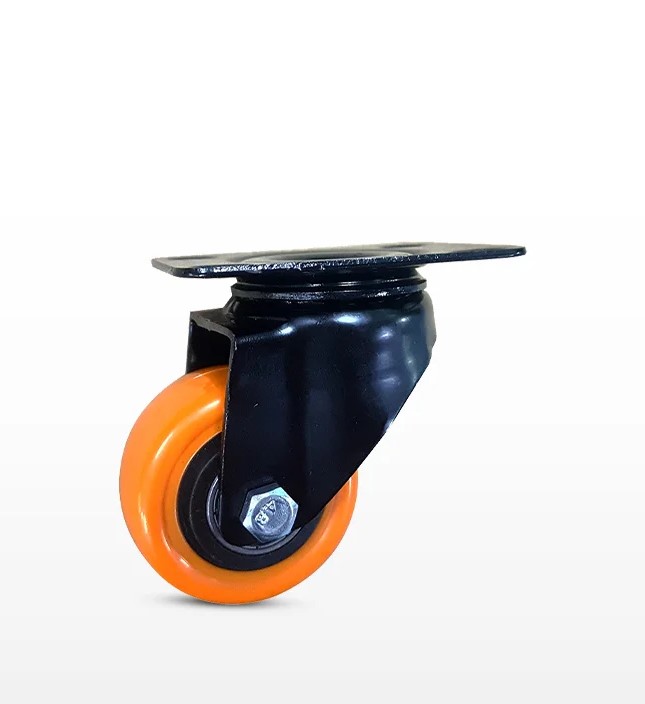
Fixed caster wheels are essential for transporting heavy loads in warehouses, factories, hospitals, and retail environments. However, like any mechanical component, they are prone to wear and tear over time. Ignoring maintenance and operational issues can lead to equipment failure, workplace inefficiencies, and even safety hazards.
In this blog, we will discuss the most common problems with fixed caster wheels, their causes, and practical solutions to ensure smooth operation and extended lifespan.
1. Excessive Wear and Tear
Problem:
Over time, caster wheels experience deterioration due to continuous movement, friction, and exposure to harsh environments. Signs of wear include flat spots, cracks, or deformed wheels.
Causes:
- Overloading beyond the recommended weight capacity
- Frequent movement over rough or uneven surfaces
- High-speed usage leading to excessive heat and friction
- Lack of regular maintenance and lubrication
Solution:
✔ Choose the right wheel material based on the application (e.g., polyurethane for smooth indoor surfaces, rubber for rough terrain).
✔ Ensure proper load distribution by using casters that match the weight requirements of the equipment.
✔ Inspect wheels regularly and replace worn-out wheels before they fail.
✔ Use shock-absorbing wheels in high-impact applications to reduce stress on the wheel material.
2. Difficulty in Movement or Jamming
Problem:
Casters that do not roll smoothly can cause difficulties in handling equipment, leading to increased effort and operational slowdowns.
Causes:
- Dirt, dust, or debris accumulation in the wheel housing
- Rusted or damaged wheel bearings
- Wheels getting stuck due to excessive weight or improper alignment
Solution:
✔ Regularly clean the caster wheels to remove dust and debris.
✔ Lubricate bearings with grease or oil to ensure smooth rolling.
✔ Check alignment and ensure proper installation to prevent uneven movement.
✔ Use sealed-bearing casters in environments with high exposure to dust and moisture.
3. Flat Spots on Wheels
Problem:
Flat spots on caster wheels cause uneven rolling, leading to vibration, noise, and inefficient movement.
Causes:
- Stationary loads left on casters for long periods
- Heavy loads compressing the wheel material
- Wheels made of soft materials that deform under pressure
Solution:
✔ Choose high-quality, durable wheels for heavy-duty applications.
✔ Rotate equipment periodically to prevent long-term pressure on one section of the wheel.
✔ Consider using harder wheel materials like nylon or steel for heavy loads.
4. Noise and Vibration Issues
Problem:
Excessive noise and vibrations during movement can indicate underlying caster wheel problems, which may also lead to structural damage over time.
Causes:
- Loose mounting bolts or improper wheel installation
- Worn-out bearings causing wobbling and rough movement
- Hard wheel materials not suitable for specific surfaces
Solution:
✔ Tighten mounting hardware regularly to prevent loose connections.
✔ Replace worn-out bearings to restore smooth rotation.
✔ Choose noise-reducing caster wheels (e.g., rubber or polyurethane) for quiet operation.
✔ Use shock-absorbing wheels if vibrations are an issue.
5. Rust and Corrosion
Problem:
Rust and corrosion weaken the structure of fixed caster wheels, leading to premature failure and reduced efficiency.
Causes:
- Exposure to moisture, chemicals, or harsh environments
- Inadequate cleaning and maintenance
- Use of non-corrosion-resistant materials in humid or wet conditions
Solution:
✔ Use stainless steel or zinc-coated casters for environments with moisture exposure.
✔ Apply anti-rust sprays to prevent corrosion.
✔ Clean and dry wheels regularly to remove accumulated moisture or chemicals.
6. Uneven Wear Between Casters
Problem:
Some wheels wear out faster than others, leading to an unbalanced load and potential safety hazards.
Causes:
- Improper weight distribution
- Uneven flooring or obstacles causing one wheel to take more stress
- One or more casters not aligned correctly with the others
Solution:
✔ Ensure even load distribution across all wheels.
✔ Use larger wheel diameters for rough or uneven surfaces.
✔ Check and adjust caster alignment to prevent unnecessary stress on specific wheels.
7. Casters Not Holding Position or Moving Unintentionally
Problem:
Equipment may roll unexpectedly, causing safety risks, especially on sloped or uneven surfaces.
Causes:
- Worn-out or weak braking mechanisms
- Wheels without locking features on inclined surfaces
- Inconsistent floor grip
Solution:
✔ Use caster wheels with brakes to secure equipment in place.
✔ Replace faulty or weak brakes to ensure proper locking.
✔ Consider anti-slip wheel coatings for better grip on smooth surfaces.
8. Difficulty in Steering and Maneuverability
Problem:
Fixed casters are designed for straight-line movement, but if they become difficult to steer, they can slow down operations.
Causes:
- Improper pairing of fixed and swivel casters
- Misalignment between caster sets
- Incorrect wheel size for the application
Solution:
✔ Combine fixed and swivel casters for better maneuverability.
✔ Check for proper alignment of all casters before installation.
✔ Choose the right wheel size based on the required movement flexibility.
Conclusion
Fixed caster wheels play a crucial role in material handling, but without proper maintenance and selection, they can lead to operational inefficiencies and safety risks. Regular inspections, cleaning, lubrication, and correct material selection will help prevent most common issues.
By addressing problems like excessive wear, jamming, flat spots, noise, rust, and maneuverability challenges, you can ensure that your fixed caster wheels function smoothly and last longer.
If you’re looking for high-quality caster wheels tailored to your needs, make sure to choose the right material, load capacity, and maintenance routine. Investing in the right wheels today will save you from costly replacements and downtime in the future!