
Common Challenges in Using a Horizontal Auger Boring Machine and How to Overcome Them
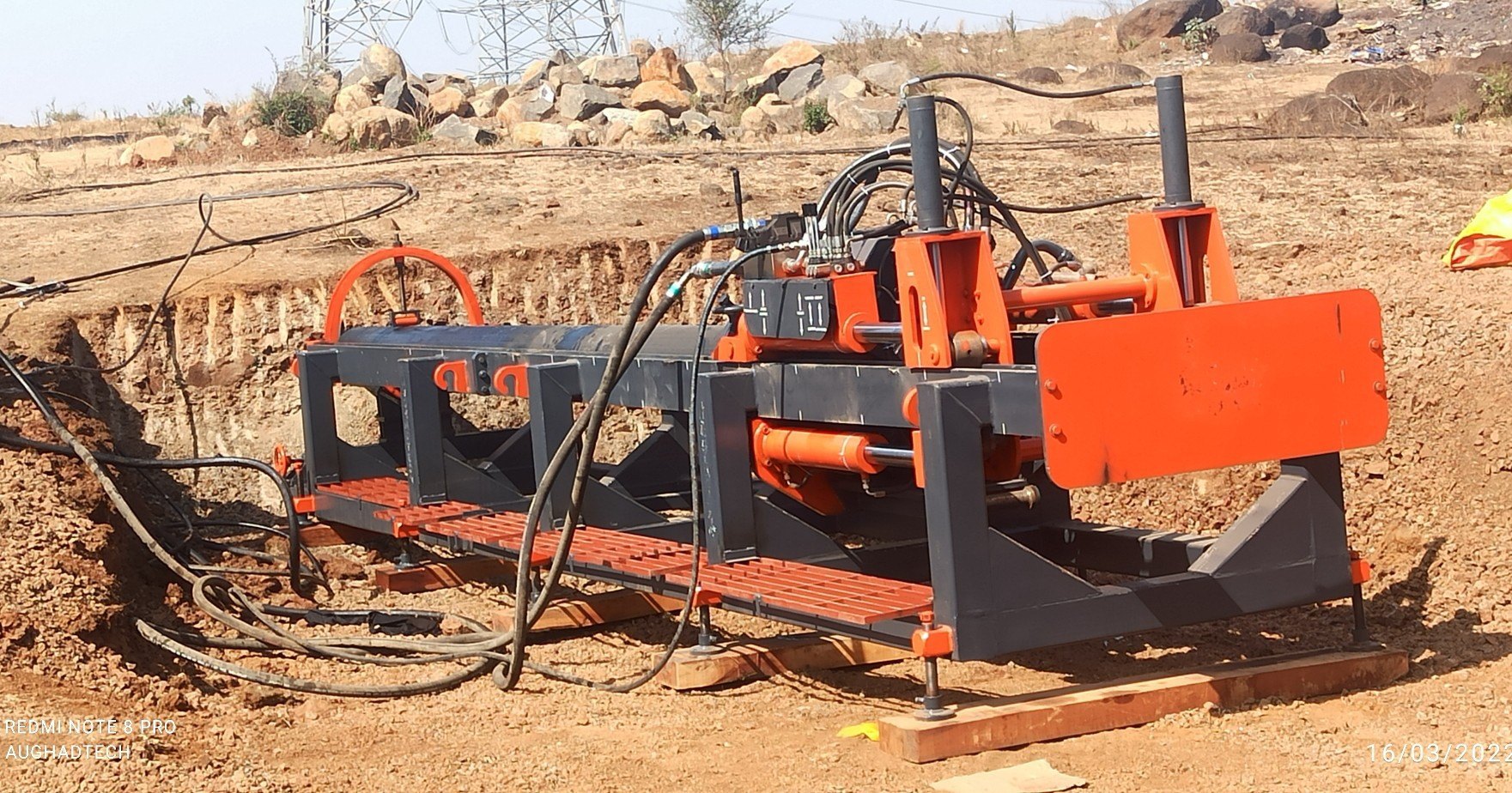
A horizontal auger boring machine is one of the most important tools in trenchless technology. It allows contractors to install underground pipes and conduits without digging long open trenches. This makes it a popular choice for road crossings, utility installations, and projects in crowded urban areas.
While the horizontal auger boring machine offers many benefits, it is not without challenges. Every project site is different, and unexpected problems can arise during boring operations. Contractors must be prepared to deal with these issues to ensure safety, efficiency, and accuracy.
In this article, we will explore the most common challenges faced when using a horizontal auger boring machine and discuss practical ways to overcome them.
Understanding the Horizontal Auger Boring Machine
Before we dive into the challenges, it helps to understand how the machine works. A horizontal auger boring machine uses a rotating auger inside a steel casing to cut through soil. As the auger turns, it carries the soil back out of the bore while pushing the casing forward. This creates a clear path for installing pipes or conduits underground.
This method is widely used because it causes minimal surface disruption, making it ideal for projects under roads, railways, or buildings.
Common Challenges and Solutions
1. Difficult Soil Conditions
The Challenge:
One of the biggest issues in using a horizontal auger boring machine is dealing with unpredictable soil. Some soils are soft and collapse easily, while others contain rocks, gravel, or hard clay that are difficult to cut.
The Solution:
A proper soil investigation should always be carried out before boring begins. Knowing the soil type allows contractors to choose the right cutting head and casing. For rocky or mixed soils, stronger cutting tools may be required. In very soft soils, using bentonite or other stabilizing fluids can help prevent the bore from collapsing.
2. Bore Alignment Problems
The Challenge:
Keeping the bore on the correct path is critical. In some cases, the bore may drift off course due to uneven soil conditions or incorrect setup. This misalignment can cause delays, extra costs, or even project failure.
The Solution:
Accurate surveying and proper machine setup are key to avoiding alignment issues. Operators must ensure the machine is positioned correctly before boring starts. Using advanced guidance systems can also help monitor and adjust the bore in real time, reducing the risk of drifting.
3. Groundwater Interference
The Challenge:
Groundwater can cause serious problems during boring. If water enters the bore, it can make the soil unstable, wash away material, or cause the casing to stick.
The Solution:
The groundwater level should be checked during the soil investigation phase. If high groundwater is expected, pumps or dewatering systems should be set up before boring begins. Sealing the bore properly and using stabilizing fluids can also reduce the impact of water.
4. Machine Sticking or Jamming
The Challenge:
Sometimes the horizontal auger boring machine or casing can become stuck underground. This may happen due to soil collapse, rocks blocking the path, or poor lubrication. When the machine is stuck, progress stops, and valuable time is lost.
The Solution:
Regular lubrication of the casing and auger is essential to prevent sticking. Operators should also monitor soil removal carefully to make sure the auger is not overloaded. If the machine does get stuck, pulling back slowly and reboring the path can often solve the problem.
5. Safety Risks for Workers
The Challenge:
Operating a horizontal auger boring machine involves heavy equipment, rotating augers, and underground work. Without proper safety precautions, workers may face risks such as entanglement, falling into pits, or exposure to dust and noise.
The Solution:
Safety training is a must for all workers on site. Protective gear, such as helmets, gloves, and ear protection, should be used at all times. Clear communication and strict safety rules reduce the risk of accidents. Regular inspections of the machine also help ensure safe operation.
6. Limited Space on Job Sites
The Challenge:
Many trenchless projects take place in urban areas where space is limited. Setting up a horizontal auger boring machine in narrow streets or crowded spaces can be difficult.
The Solution:
Compact models of horizontal auger boring machines are available for small spaces. Careful planning of the job site layout also helps make the best use of available space. Contractors should work with traffic authorities or local agencies if needed to create a safe working area.
7. High Equipment Costs
The Challenge:
A horizontal auger boring machine is a major investment. Small contractors may find it challenging to afford the initial purchase and maintenance costs.
The Solution:
While the machine is expensive, it pays for itself over time through efficiency and reduced restoration costs. Contractors can also consider renting the machine for smaller projects or partnering with other companies to share equipment. Regular maintenance extends the machine’s life and reduces long-term expenses.
8. Removing Excavated Soil
The Challenge:
The auger brings soil back to the entry pit, but handling and removing large volumes of soil can slow down the project. If not managed properly, the pit may overflow or become unsafe.
The Solution:
A clear soil management plan should be in place before boring starts. This includes scheduling trucks or loaders to remove soil regularly. Keeping the pit organized ensures smooth and safe operation.
9. Unexpected Underground Obstacles
The Challenge:
During boring, the machine may encounter hidden obstacles such as old foundations, tree roots, or unmarked utilities. These obstacles can damage the machine or stop the boring process entirely.
The Solution:
A thorough site survey is necessary before starting any project. Ground-penetrating radar or utility maps can help identify obstacles. If an obstacle is encountered, operators should stop immediately, assess the situation, and adjust the bore path if necessary.
10. Operator Skill and Training
The Challenge:
Even with the best equipment, poor operator skills can lead to problems such as misalignment, machine damage, or safety hazards.
The Solution:
Operators of a horizontal auger boring machine must be properly trained and experienced. Ongoing training ensures they are familiar with new techniques and safety practices. Skilled operators can quickly solve problems and keep the project on track.
Why Overcoming These Challenges Matters
The success of any trenchless project depends on how well contractors can manage these challenges. Delays, cost overruns, or safety incidents can harm both the project and the company’s reputation. By preparing in advance, using the right equipment, and training workers properly, contractors can complete projects safely, on time, and within budget.
Conclusion
The horizontal auger boring machine is a powerful tool that makes trenchless construction possible. However, like any technology, it comes with challenges. Difficult soil conditions, groundwater, machine jams, safety risks, and underground obstacles are just some of the problems contractors may face.