
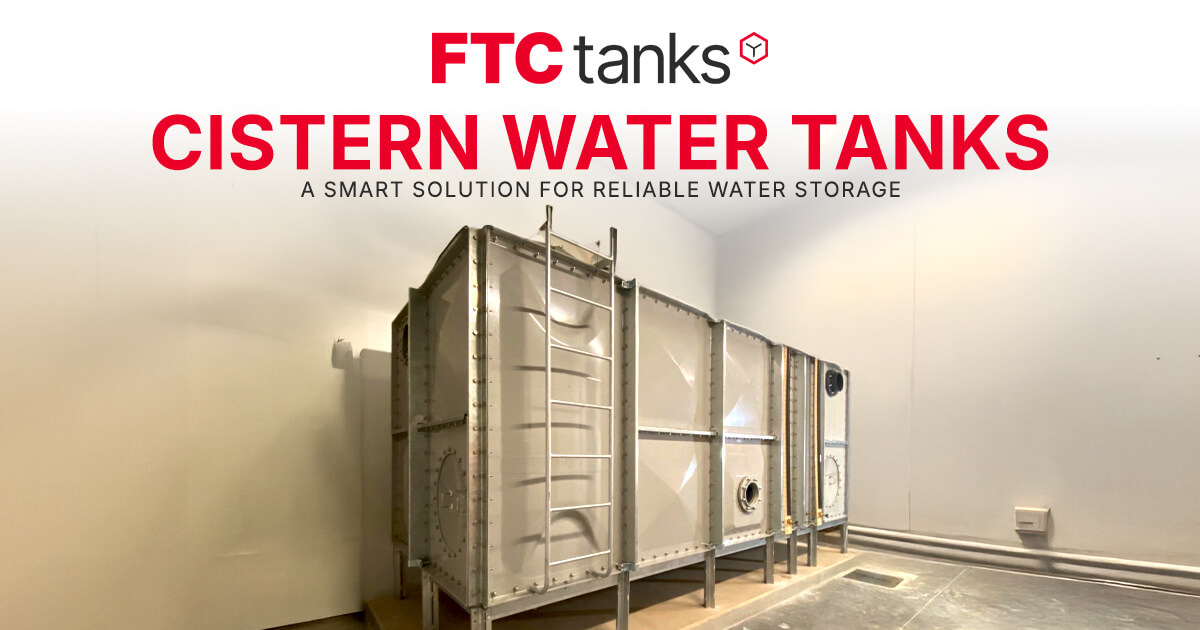
Cistern Water Tanks: A Smart Solution for Reliable Water Storage
Water is a critical resource for businesses and industries across the globe. Whether for agricultural purposes, industrial operations, or everyday business activities, having a reliable water source is essential. However, in many areas, especially those dealing with irregular water supply or remote locations, ensuring a consistent water supply can be a challenge.
Cistern water tanks provide an efficient and reliable solution to this problem. These systems have been in use for centuries, offering a dependable way to collect, store, and manage water. But what makes cistern water tanks so appealing to modern industries? In this article, we’ll explore the advantages of cistern tanks, explain how cistern water tanks work, and provide tips on how to maintain your cistern water tank to ensure it continues to provide optimal water storage for your business needs.
By the end of this article, you’ll have a solid understanding of whether cistern water tanks could be the smart solution your business needs to manage water more effectively.
What are Cistern Water Tanks?
Cistern water tanks are storage systems designed to collect and store water. Traditionally, they were used to capture rainwater, but modern cisterns can store water from various sources, such as well water, municipal water systems, or natural springs. They are commonly made from durable materials like concrete, steel, fiberglass, or plastic, and come in a variety of sizes to meet different storage needs.
Cisterns are typically buried underground or placed above ground depending on the space, the volume of water required, and local climate conditions. Their primary function is to provide an emergency water supply or supplement the water needs of businesses in areas where water scarcity or erratic water delivery is an issue.
Why Choose Cistern Water Tanks?
For businesses and industries, cistern water tanks offer numerous benefits. From agricultural operations to manufacturing plants, cisterns are a versatile and practical solution for water storage needs. Here are some key reasons why businesses should consider installing a cistern water tank:
- Cost-Effective Water Storage
Cistern water tanks help businesses reduce their dependence on municipal water systems or expensive water delivery services. By collecting rainwater or utilizing local water sources, businesses can significantly lower their water utility bills, making cisterns a cost-effective choice for industries with high water consumption.
- Sustainability and Eco-Friendly
Businesses looking to adopt more sustainable practices will find cistern water tanks to be an eco-friendly option. Collecting rainwater not only reduces the demand on municipal water supplies but also helps conserve water for the surrounding environment. Cistern tanks contribute to sustainability by promoting water conservation and reducing runoff, which can help prevent flooding and erosion.
- Reliable Water Supply
Cisterns provide a dependable water supply, especially in areas where water sources are unreliable or subject to seasonal fluctuations. With a well-maintained cistern, businesses can have access to water even during droughts or periods of water shortage, ensuring continuous operations without interruptions.
- Versatility in Usage
Cistern water tanks are suitable for a variety of applications. They can be used for irrigation, cooling systems, fire suppression, and even drinking water (if treated appropriately). The versatility of cisterns makes them ideal for businesses in industries ranging from agriculture to manufacturing.
- Low Maintenance
Cistern water tanks, especially those made from materials like fiberglass and plastic, require minimal maintenance compared to other water storage solutions. The simplicity of their design means fewer moving parts, resulting in reduced chances of failure and easier upkeep.
How Cistern Water Tanks Work
Understanding how cistern water tanks work can help businesses optimize their use and make the most of their investment.
1. Water Collection
The process begins with water collection. Cisterns are typically connected to a catchment system, such as a roof or a series of pipes, that collects rainwater or other water sources. For rainwater harvesting systems, the water is collected from the roof of a building through gutters and downspouts and is funneled into the cistern. For other water sources, the water is piped directly into the tank.
2. Filtration
Once the water enters the cistern, it often passes through a filtration system to remove debris, dust, leaves, and other particles. This is an important step, especially if the water is intended for human consumption or sensitive industrial processes. Basic filtration systems may include mesh screens or filters, while more advanced systems can include carbon filters, UV light sterilizers, or sediment filters.
3. Storage
The water is then stored in the cistern tank, where it can be kept until needed. The design of cistern tanks is focused on keeping the water safe, with sealed tops to prevent contamination from dust, animals, or other external pollutants. The water is typically stored at a temperature that helps prevent microbial growth, though additional treatment may be required depending on the intended use.
4. Water Distribution
When the water is needed, it is pumped out of the cistern and distributed to the intended areas. For businesses with large water demands, this water can be directed to various systems, such as irrigation lines, cooling units, or processing equipment. In some cases, cisterns may be equipped with automated systems that regulate water distribution based on pre-set levels or consumption needs.
5. Overflow Protection
Cisterns are designed with overflow protection to prevent the tank from becoming too full during periods of heavy rain. This excess water is typically directed to a drainage system or a secondary storage container, ensuring that the cistern does not overflow and cause damage to the surrounding area.
The Benefits of Cistern Water Tanks for Businesses
Businesses across various industries can benefit from using cistern water tanks as a reliable water storage solution. Here’s a closer look at some of the specific advantages for industries such as agriculture, construction, and manufacturing.
1. Agriculture
In agriculture, water management is crucial for ensuring healthy crops and livestock. Cistern water tanks can help farmers store water for irrigation and livestock needs, especially during periods of low rainfall or drought. By using rainwater harvesting systems, farmers can significantly reduce their reliance on groundwater or municipal water supplies, which can be costly or unavailable during dry seasons.
2. Construction Sites
Construction sites often face challenges in sourcing water for activities like mixing concrete, dust control, and equipment cleaning. Cisterns are an ideal solution for these temporary water needs, as they can be set up quickly and provide a consistent water supply without having to rely on local water resources. This is particularly useful in remote locations or in areas with limited access to municipal water.
3. Manufacturing and Industrial Operations
Many manufacturing processes require large amounts of water for cooling, cleaning, and processing. Cistern water tanks provide an efficient way to store and manage water usage in industrial operations. By incorporating cisterns into their water management strategies, businesses can optimize their water consumption, reduce costs, and ensure a steady supply of water during peak production times.
Maintain Your Cistern Water Tank
To ensure that your cistern water tank remains an effective and reliable water storage solution, regular maintenance is essential. Proper maintenance will prolong the lifespan of your cistern, keep your water clean and safe, and prevent potential issues from arising. Here are some key maintenance tips for keeping your cistern water tank in top condition:
1. Regular Cleaning
Clean your cistern tank at least once a year to remove any accumulated sediment or debris. The tank should also be inspected for algae growth or bacterial contamination, particularly if the water is being stored for potable use. Cleaning involves draining the tank, scrubbing the interior surfaces, and ensuring that the filtration system is free from clogs.
2. Inspect the Filtration System
Check the filtration system regularly to ensure that it is functioning properly. Filters should be cleaned or replaced as needed, depending on the type of filter and the volume of water processed.
3. Check for Leaks
Inspect the cistern and its connections for any signs of leakage or damage. Cracks or leaks can reduce the effectiveness of the tank and lead to water loss. Ensure that the overflow system is also functioning correctly to handle excess water during heavy rainfall.
4. Monitor Water Levels
Keep track of water levels in the cistern to ensure that the tank is not overfilled or running low. Automated monitoring systems can help businesses stay on top of water usage and avoid disruptions.
5. Winterization
If your cistern is located in an area that experiences freezing temperatures, take steps to winterize your tank. This may involve draining the tank, insulating the pipes, or adding heating elements to prevent the water from freezing and damaging the system.
Conclusion
Cistern water tanks provide businesses and industries with a smart, cost-effective, and sustainable solution for reliable water storage. By understanding how cistern water tanks work and incorporating them into your water management strategy, you can ensure a consistent water supply while reducing reliance on external sources. Whether you are in agriculture, construction, manufacturing, or any other industry, a cistern water tank can enhance operational efficiency and promote sustainability.
To keep your cistern tank running smoothly, it’s essential to maintain your cistern water tank through regular cleaning, inspections, and monitoring. By doing so, you’ll extend the lifespan of the system and ensure that it continues to provide reliable water storage for years to come.
With the growing need for efficient water management, cistern water tanks present an invaluable tool for businesses looking to secure their water supply and enhance operational resilience.